
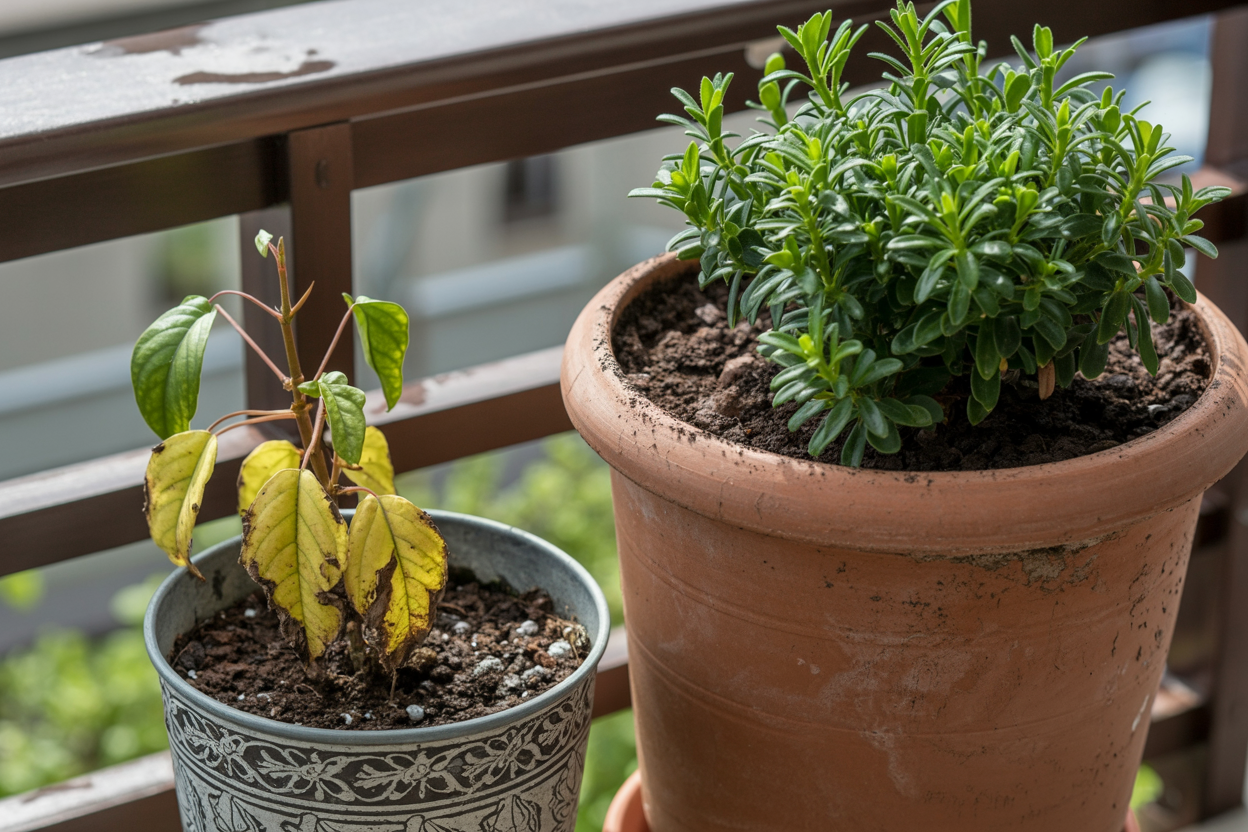
Introduction to Common Balcony Gardening Mistakes
Every new balcony gardener starts with enthusiasm — containers filled, seeds sown, dreams of fresh herbs and homegrown vegetables. But soon, reality sets in: yellowing leaves, dried-out soil, or a disappointing harvest.
The truth is, balcony gardening has its own set of challenges that even experienced gardeners overlook. Limited space, container-specific needs, wind, sun, and irregular care can all trip you up. The good news? Most balcony gardening problems come from avoidable mistakes.
This guide will walk you through the most common errors balcony gardeners make — and more importantly, how to avoid them. By learning these lessons early, you’ll save time, money, and frustration, and instead enjoy a lush and productive balcony year-round.
New here? Start with our Complete Beginner’s Guide to Balcony Gardening
before tackling these troubleshooting tips.
Mistake #1: Using the Wrong Containers
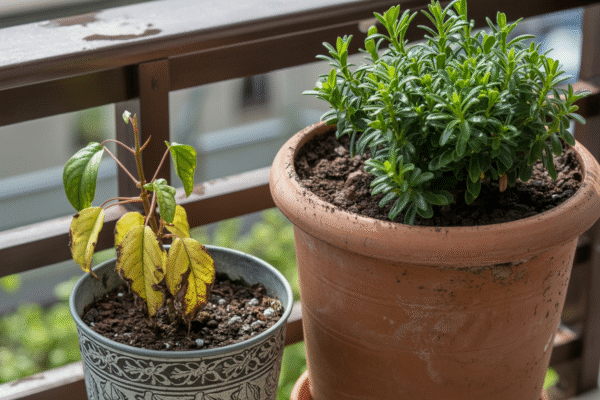
When it comes to balcony gardening, many beginners assume that any container will do — after all, it’s just a pot, right? But the reality is that the container you choose directly affects root development, drainage, temperature stability, and ultimately, whether your plants thrive or struggle.
The Problem with Poor Container Choices
- Small pots dry out too quickly: Balcony plants are already exposed to more sun and wind than garden beds. Shallow containers accelerate drying, meaning your plants can go from thriving to wilted in a single hot afternoon.
- Decorative pots without drainage: While they look pretty, pots with no drainage holes trap water at the roots. Over time, this creates soggy conditions, leading to root rot — one of the fastest ways to kill a container plant.
- Metal or dark-colored containers: In summer, these pots heat up quickly under direct sunlight, effectively “cooking” the roots. Overheated roots stunt growth and can even cause plants to collapse suddenly.
The Fix: Choose Containers That Support Growth
Instead of grabbing the nearest decorative pot, focus on containers that provide the right environment for healthy roots.
- Depth matters: Choose containers at least 12–18 inches deep for vegetables like tomatoes, peppers, and cucumbers. Herbs and small flowers can manage in 6–8 inch pots, but food crops need deeper root space.
- Drainage is non-negotiable: Every pot must have at least one hole at the bottom. Place a small saucer underneath if you’re worried about dripping water on your balcony floor, but make sure to empty it after each watering.
Material makes a difference:
- Terracotta pots are breathable, allowing air exchange and reducing waterlogging.
- Resin or plastic pots are lightweight and retain moisture longer, which is ideal for hot balconies.
- Wooden containers (lined with plastic) offer insulation, keeping roots cooler in summer.
- Avoid metal containers in hot climates unless you can insulate them.
Pro Tips for Balcony Gardeners
- Match plant to pot size: Tomatoes or peppers need larger planters; mint and chives are fine in smaller pots. Don’t cram everything into one container.
- Use pot feet or risers: Elevating pots improves drainage and prevents standing water from damaging your balcony floor.
- Think mobility: If your balcony receives shifting sun, consider containers with wheels or lightweight resin planters you can move easily.
Mistake #2: Poor Soil Choices
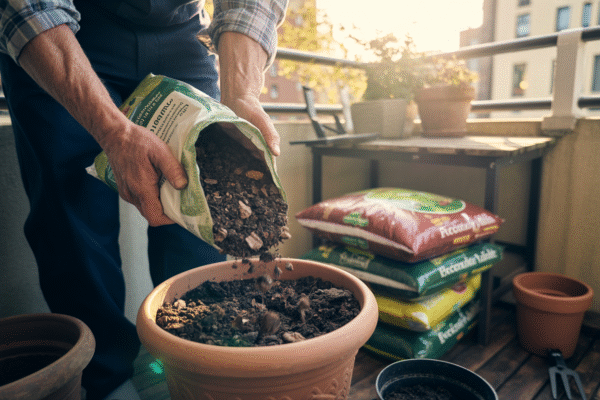
Soil is the foundation of every garden, and in balcony gardening, it’s even more critical. Unlike ground soil, which has deep layers for roots to explore, balcony containers rely on a limited amount of growing medium. That means every handful of soil must be lightweight, nutrient-rich, and well-draining. Yet one of the most common mistakes beginners make is simply scooping dirt from the backyard or a park to fill their balcony pots.
The Problem with Regular Garden Soil
- Compaction and Poor Drainage
Regular soil is heavy and dense. In containers, it compacts quickly, leaving little room for air. Roots suffocate, water sits stagnant, and plants start to yellow and weaken. - Nutrient Depletion
In an open garden, soil naturally refreshes with organic matter, earthworms, and microbes. In pots, however, nutrients wash away every time you water. Without replenishment, plants starve in a matter of weeks. - Risk of Pests and Diseases
Garden soil often harbors weed seeds, insect eggs, or fungal spores. In the confined space of a balcony planter, these problems spread rapidly and can wipe out a small garden.
The Fix: Choose the Right Potting Mix
Instead of using garden dirt, always opt for a high-quality potting mix specifically designed for containers. These mixes are lighter, better aerated, and formulated to hold the right balance of moisture and nutrients.
- Start with Potting Mix, Not Soil
Potting mix contains ingredients like coco peat, perlite, and vermiculite that create air pockets and prevent waterlogging. This ensures strong root growth and reduces the risk of root rot. - Enrich with Compost or Fertilizer
Since container plants depend entirely on what you give them, mix in organic compost or a slow-release fertilizer at planting time. Compost adds microbes that improve soil health, while slow-release granules provide nutrients steadily for months. - Refresh Soil Each Season
After a growing season, old potting mix becomes compacted and depleted. Refresh it by removing one-third of the old mix and replacing it with fresh potting soil plus compost. This prevents disease buildup and keeps nutrients balanced.
Pro Tips for Balcony Soil Success
- Mix Your Own Blend: Combine 40% coco peat, 30% compost, 20% perlite, and 10% vermicompost for a custom, organic potting mix.
- Don’t Overpack: Lightly fill containers instead of pressing soil down. Compacted soil reduces airflow.
- Top with Mulch: Add a layer of coconut husks, bark chips, or dry leaves on the surface to slow evaporation and protect soil microbes.
Mistake #3: Overcrowding Plants
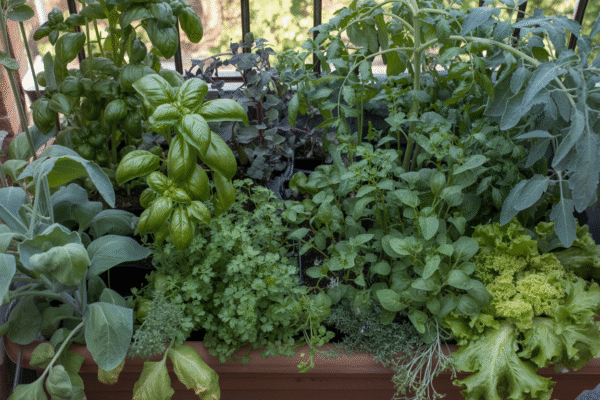
One of the biggest temptations in balcony gardening is the urge to grow “a little bit of everything.” You pick up packets of basil, cherry tomatoes, lettuce, peppers, marigolds — and before long, every pot is packed to the brim. At first, the containers look lush and full. But soon, the plants begin to struggle. Leaves turn yellow, stems become weak, and pests or diseases spread like wildfire.
This is a classic case of overcrowding. On a balcony where space, soil, and nutrients are already limited, packing too many plants together almost always leads to disappointment.
The Problem with Overcrowded Balcony Pots
- Competition for Resources
In crowded containers, plants are locked in constant competition for water, nutrients, and sunlight. Instead of thriving, they weaken each other. Tomatoes, for instance, will dominate a pot and stunt smaller herbs nearby. - Poor Air Circulation
Dense foliage traps moisture, creating the perfect breeding ground for fungal diseases like powdery mildew or root rot. With little airflow, pests such as aphids and spider mites also spread more quickly. - Stunted Growth
Roots need room to expand. In a cramped container, roots tangle, nutrients deplete rapidly, and plants remain undersized. This results in fewer flowers, smaller vegetables, and overall poor yields.
The Fix: Give Each Plant Breathing Room
The solution to overcrowding is simple but requires restraint: respect plant spacing guidelines. Every seed packet or plant tag includes a recommended spacing distance — and it’s there for a reason.
- Follow Spacing Instructions
If a packet says “12 inches apart,” it means each plant needs that much soil volume and airflow. In balcony gardening, this translates to using larger pots or limiting the number of plants per container. - Choose Compact or Dwarf Varieties
Many seed companies offer dwarf tomatoes, mini peppers, and bush beans bred specifically for container growing. These compact plants produce abundantly in smaller spaces without overwhelming the pot. - One Main Crop per Pot
For vegetables like tomatoes, peppers, or eggplants, dedicate one plant per container. Smaller herbs like basil or parsley can share space, but only if the pot is wide enough (minimum 12–18 inches). - Resist the Urge to Overfill
A half-filled pot may look “empty” in the beginning, but remember: plants grow quickly. Within a few weeks, that seemingly bare soil will be covered in lush greenery. Be patient and let them spread naturally.
Pro Tips for Smart Balcony Planting
- Use Vertical Space: Instead of cramming multiple crops into one pot, grow upward. Hanging baskets, trellises, and shelves maximize yield without crowding.
- Pair Wisely: If you want to combine plants, try companion planting. For example, basil pairs beautifully with tomatoes, but avoid mixing lettuce with tall peppers that block sunlight.
- Rotate Crops: Give soil a break. Growing different plants each season reduces disease risk and balances nutrient demand.
See also: 10 Easy Vegetables to Grow in Balcony Containers
.
Mistake #4: Ignoring Sunlight Needs
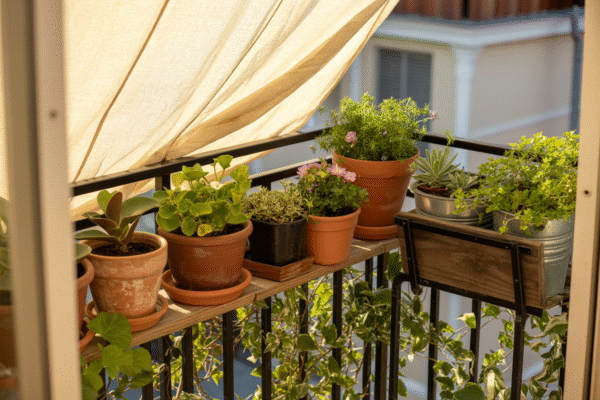
If water is the lifeblood of plants, sunlight is their energy source. No amount of good soil or fertilizer can make up for poor lighting conditions. Yet one of the biggest mistakes balcony gardeners make is simply putting the wrong plants in the wrong place.
Many beginners plant sun-hungry vegetables like tomatoes, peppers, or cucumbers on shady balconies where they never get the energy they need to flower and produce fruit. Others place delicate, shade-loving crops such as lettuce, spinach, or ferns under the blazing afternoon sun, where they wilt, scorch, and eventually die.
Getting sunlight right is not about luck — it’s about observation and matching your plants to your balcony’s unique conditions.
The Problem with Ignoring Sunlight
- Sun-Lovers in the Shade
Vegetables like tomatoes, peppers, cucumbers, and most herbs need 6–8 hours of direct sunlight daily. On a shaded balcony, these plants grow spindly and weak, produce few flowers, and rarely give a good harvest. - Shade-Lovers in Harsh Sun
Leafy greens such as lettuce, spinach, and arugula thrive in cooler, filtered light. Exposing them to harsh midday sun causes leaf burn, bitterness, and premature bolting (going to seed too early). - Uneven Growth
Plants in pots often lean toward the light source, leading to uneven growth. Without proper rotation, one side of the plant becomes weak, increasing the risk of toppling over.
The Fix: Match Plants to Sunlight Conditions
Balcony gardening success starts with knowing your space. Spend a full day observing how sunlight moves across your balcony. Does it get strong morning sun, hot afternoon light, or filtered shade most of the day?
Track Your Balcony’s Sunlight Hours
- Use a notebook or even a smartphone compass app to record where and when the sun hits. Morning sunlight (east-facing balconies) is gentler and ideal for greens and flowers. Afternoon sunlight (west-facing) is hotter, great for peppers and tomatoes.
Match Plants to Conditions
- 6+ Hours of Sunlight → Tomatoes, peppers, eggplants, basil.
- 4–6 Hours of Sunlight → Strawberries, carrots, beans, parsley.
- 3–4 Hours of Sunlight → Lettuce, spinach, mint, ferns.
- Low-Light Balconies → Snake plant, pothos, or LED grow-light setups.
Boost Light with Reflective Surfaces
- If your balcony is partially shaded, you can bounce extra light onto your plants using reflective materials. A simple, affordable solution is reflective mylar film placed on nearby walls or railings.
Pro Tips for Balcony Sunlight Success
- Rotate Plants Weekly: Turn pots a quarter each week to ensure even exposure.
- Use Vertical Stands: Elevate plants closer to light sources instead of leaving them low to the ground in shade.
- Supplement with Grow Lights: In very shady balconies, LED grow lights on timers can provide the missing hours of light.
- Create Microclimates: Place tall plants like tomatoes strategically to shade delicate greens below, mimicking natural layering.
Mistake #5: Inconsistent Watering
When it comes to balcony gardening, watering is one of the biggest challenges. Unlike in-ground gardens, container plants can’t send their roots deeper to find moisture. They rely entirely on you. The limited volume of soil in pots means water dries out faster, especially under the wind and sun exposure common on balconies.
This is why inconsistent watering — sometimes too much, sometimes too little — is one of the most common balcony gardening mistakes. Even experienced gardeners struggle with it.
The Problem with Irregular Watering
Overwatering Causes Root Rot
Balcony gardeners often think, “more water = healthier plants.” Unfortunately, overwatering suffocates roots by filling air spaces in the soil. Without oxygen, roots rot, turning brown and mushy. The first signs are yellowing leaves and wilting, even though the soil looks wet.
- Underwatering Stresses Plants
On the flip side, forgetting to water — even for a day or two in hot weather — can leave plants wilted, stunted, or permanently damaged. Once soil dries completely, it can actually repel water, making it difficult to rehydrate roots. - Erratic Growth
Switching between dry soil and waterlogged soil creates stress cycles. Plants may drop flowers, produce fewer fruits, or bolt (go to seed) too early. Consistency is key for strong, steady growth.
The Fix: Create a Consistent Watering Routine
Instead of guessing, adopt a system that takes the guesswork out of watering.
- Water in the Morning
Mornings are the best time to water balcony plants. The soil has time to absorb moisture before the midday sun hits. Evening watering is less ideal, as damp overnight soil encourages fungal growth. - Stick to a Schedule
Check your plants daily — even if you don’t water every day. Light, fast-draining pots may need water twice a day in summer, while larger containers may only need it every other day. Consistency matters more than frequency. - Check Soil Moisture
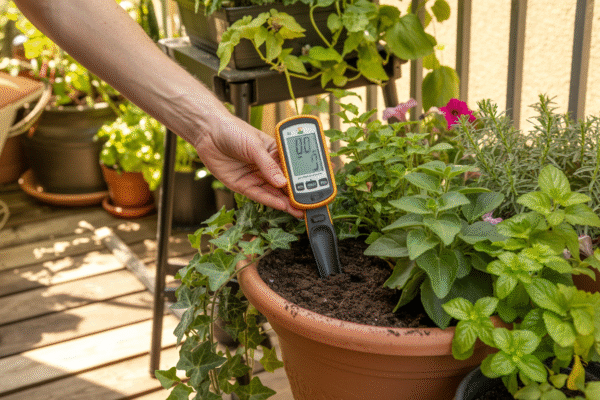
The simplest test is the “finger method”: stick your finger 2 inches into the soil. If it feels dry, water. If it feels damp, wait. For accuracy, use a moisture meter that instantly tells you whether soil is dry, moist, or wet. - Use Self-Watering Solutions
Self-watering planters and drip irrigation kits deliver a steady supply of water directly to roots. They’re especially useful if you have a busy schedule or live in a hot climate.
Pro Tips for Watering Balcony Plants
- Group Plants by Water Needs: Keep thirsty herbs like basil or parsley together, and drought-tolerant plants like rosemary or succulents in another group. This prevents overwatering one while under-watering another.
- Mulch the Surface: A layer of coconut husk chips, bark, or even pebbles helps soil retain moisture longer.
- Lift Your Pots: If a container feels unusually heavy, it may be waterlogged. If it feels feather-light, it’s too dry.
- Adapt to the Seasons: In summer, you may water daily (or more), but in cooler months, watering once every few days may be enough.
Mistake #6: Neglecting Wind Protection
If you live in an apartment or high-rise, you already know that balconies can act like wind tunnels. What feels like a pleasant breeze indoors often turns into strong gusts outside — and your plants feel it even more than you do.
New balcony gardeners often underestimate the power of wind. A few days of constant exposure can leave plants stressed, soil bone-dry, or containers knocked over. This mistake can undo weeks of care, especially in tall buildings where winds are stronger and more unpredictable.
The Problem with Windy Balconies
- Toppled Containers
Strong gusts can tip lightweight pots, especially plastic containers or hanging baskets. Once knocked over, plants often suffer broken stems, exposed roots, or lost soil. - Drying Soil Too Quickly
Even if temperatures are mild, wind speeds up evaporation. Soil that should stay moist for 24 hours can dry out in half the time, leaving roots parched. - Damaged Foliage
Constant wind batters delicate leaves, leading to shredded edges, curling, or browning. Some plants, like basil or lettuce, are particularly sensitive to this stress. - Temperature Fluctuations
Wind not only dries but also cools down plants. In cooler climates, this extra chill can stunt growth and delay flowering.
The Fix: Protect Your Balcony Plants from Wind
You don’t need to give up balcony gardening if your space is windy — you just need the right strategies.
- Group Plants Together
Place containers close to each other so they shield one another. Tall or hardy plants like rosemary, small trees, or trellised beans can act as natural barriers for more delicate herbs and greens. - Secure Your Planters
Use railing planters with secure brackets or weighted pots to prevent toppling. Hanging baskets should be double-chained for stability. For lightweight containers, add stones at the bottom for extra weight. - Install Windbreaks
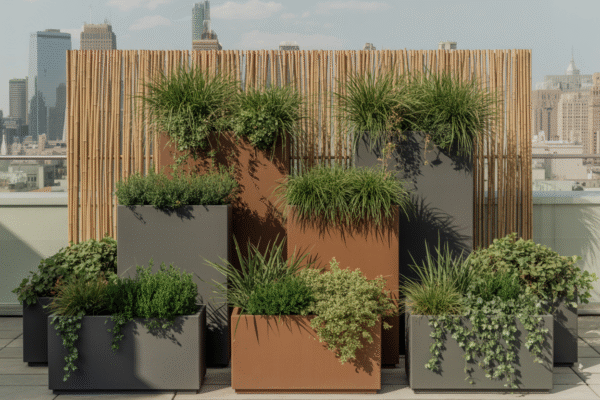
Adding a physical barrier can make a huge difference. Bamboo privacy screens or mesh panels reduce wind speed while still allowing light and airflow. They also add a touch of style and privacy to your balcony.
Pro Tips for Balcony Wind Management
- Observe Wind Patterns: Notice which direction winds usually come from. Place tall pots or screens strategically in that zone.
- Choose Wind-Resistant Plants: Hardy plants like rosemary, thyme, and succulents tolerate windy conditions better than delicate herbs like basil.
- Rotate Containers: Shift plant positions every few weeks so no single plant takes the brunt of the wind long-term.
- Water More Often: On windy balconies, check soil moisture twice a day in summer. Pair watering with mulch to slow evaporation.
Mistake #7: Forgetting to Fertilize
Healthy soil is the backbone of any garden, but in balcony gardening, nutrients don’t last long. Unlike in-ground beds, where organic matter is constantly replenished by worms, rain, and microbes, container soil is a closed system. Every time you water, nutrients slowly leach out of the potting mix.
This is why balcony plants often look great for the first few weeks, then suddenly stall. Leaves turn pale, flowers stop forming, or vegetables fail to ripen. The problem isn’t your watering or sunlight — it’s that your soil is starving.
The Problem: Nutrient Loss in Containers
- Yellowing Leaves
Nitrogen deficiency is common in pots. Without enough nitrogen, older leaves turn yellow while growth slows. - Slow or Stunted Growth
Even if plants look healthy at first, they eventually run out of nutrients in small containers. This results in weak stems, small leaves, and poor yields. - Poor Flowering and Fruiting
Vegetables like tomatoes, peppers, and cucumbers are heavy feeders. Without steady fertilization, they may flower but fail to set fruit — leaving you with lots of green foliage but no harvest.
The Fix: Regular Feeding for Thriving Plants
Balcony plants don’t just need water — they need food. Fertilization keeps nutrients available in the limited soil volume of containers.
- Use Liquid Fertilizer Every 2–3 Weeks
A balanced liquid fertilizer gives plants an instant boost. It’s absorbed quickly, making it perfect for leafy greens and herbs that show fast results. - Add Organic Compost Mid-Season
Mixing in compost halfway through the season replenishes nutrients naturally. Compost also improves soil structure, helping with aeration and water retention. - Go Low-Maintenance with Fertilizer Spikes
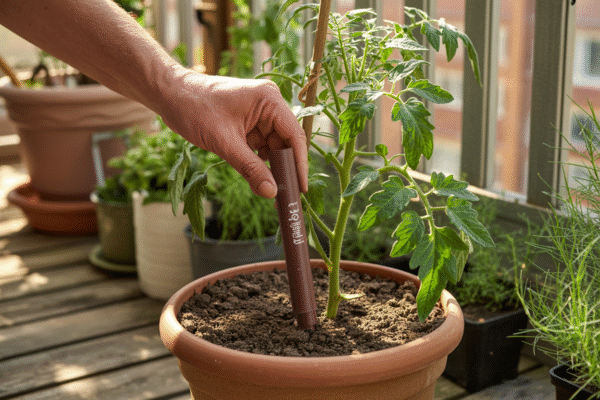
For busy gardeners, fertilizer spikes are a set-it-and-forget-it solution. Inserted into the soil, they slowly release nutrients over several weeks.
Pro Tips for Balcony Fertilization
- Match Fertilizer to Plant Needs: Leafy greens need nitrogen-rich feeds, while fruiting vegetables benefit from higher phosphorus and potassium.
- Don’t Overfeed: Too much fertilizer burns roots and can cause excess foliage with no flowers. Follow product directions carefully.
- Combine Methods: Use compost for long-term health, fertilizer spikes for steady release, and liquid fertilizer for quick boosts during flowering and fruiting.
- Feed After Watering: Always water plants first before applying fertilizer to prevent root burn.
Mistake #8: Growing the Wrong Plants
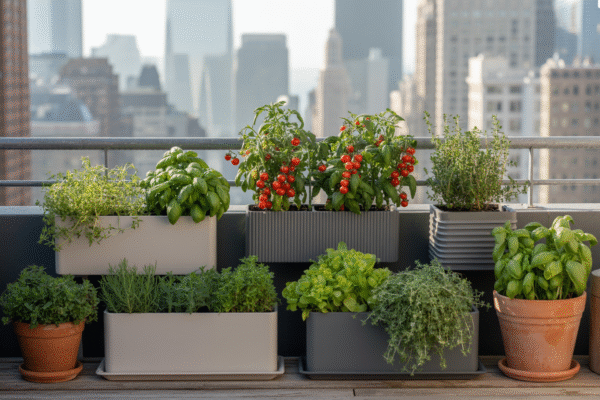
Not every crop belongs on a balcony. One of the easiest ways to frustrate yourself as a beginner gardener is by choosing plants that simply don’t fit the space.
Balcony gardens thrive on efficiency — compact containers, limited soil, and controlled conditions. If you try to grow sprawling crops like pumpkins or corn in this environment, you’ll quickly discover that they outgrow their pots, demand far more nutrients than you can provide, and yield very little in return.
Successful balcony gardening starts with choosing the right plants for your space.
The Problem: Plants That Outgrow Their Containers
- Oversized Plants Take Over
Crops like corn, squash, and pumpkins are heavy feeders and space hogs. Their sprawling vines or tall stalks need deep soil, large root zones, and wide spacing — none of which balconies can provide. - Nutrient Drainers
Melons, large tomatoes, and cabbages demand huge amounts of nutrients. In containers, they quickly deplete the soil and leave you constantly chasing deficiencies with fertilizer. - Disappointment in Harvests
Even if you manage to keep these plants alive, yields are usually minimal compared to the effort. One pumpkin vine may give you a single small fruit, while taking up the space that could have supported several pots of herbs or greens.
The Fix: Choose Balcony-Friendly Plants
Instead of battling with oversized crops, stick to plants that naturally do well in containers.
- Compact or Dwarf Varieties
Many seed companies now sell “patio” or “dwarf” versions of popular crops. Examples include Patio Princess tomatoes, Mini Belle peppers, and Bush Beans. These grow smaller but still produce a satisfying harvest. - Container-Suited Herbs and Greens
Herbs like basil, parsley, thyme, and mint thrive in small pots. Leafy greens like lettuce, spinach, and kale are equally low-maintenance and quick-growing — perfect for frequent harvests. - Climbers with Support
If you want to grow crops like cucumbers or beans, choose vining varieties and provide a trellis. Vertical growth saves space and keeps plants healthier by improving airflow.
Pro Tips for Picking the Right Plants
- Check Plant Labels: Look for words like “patio,” “dwarf,” “compact,” or “container-suited.”
- Think in Harvests, Not Plants: Five pots of lettuce will give you weekly salads, while one pumpkin plant may take three months for a single fruit.
- Experiment in Small Batches: Try one new variety each season, but stick mostly with proven container favorites.
- Balance Beauty and Utility: Mix ornamentals (like petunias or nasturtiums) with edibles for a balcony that’s both productive and attractive.
Related: Balcony Garden Layout Ideas for Small Apartments
.
Mistake #9: Ignoring Seasonal Timing
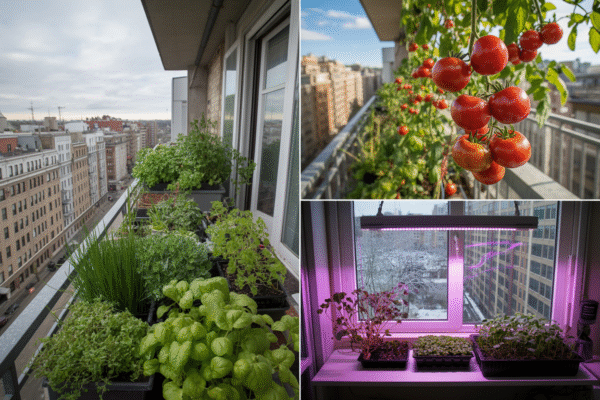
Timing is everything in gardening — and balcony gardening is no exception. Many new gardeners assume they can grow any plant, any time of year, as long as it’s in a container. Unfortunately, nature doesn’t work that way.
Planting crops out of season is one of the most common balcony gardening mistakes. Cool-weather crops like lettuce and spinach wilt quickly when sown in the heat of midsummer, while sun-loving vegetables like tomatoes or peppers simply can’t thrive on a chilly winter balcony.
When plants don’t match the season, you end up wasting seeds, soil, and effort — and often get discouraged before your balcony garden has a chance to succeed.
The Problem with Planting Out of Season
- Cool-Weather Crops in Heat
Lettuce, spinach, peas, and kale are happiest in cooler temperatures (spring and fall). Plant them in July, and they’ll bolt (go to seed) quickly, turning bitter and unharvestable. - Warm-Weather Crops in Winter
Tomatoes, cucumbers, and peppers demand long, warm days. In winter, short daylight hours and cold winds stunt growth, prevent flowering, and eventually kill the plant. - Wasted Resources
Trying to force a plant to grow in the wrong season drains time and resources. Even with extra watering and fertilizing, plants remain stressed and underperform.
The Fix: Grow with the Seasons
The key to balcony gardening success is working with seasonal cycles, not against them.
- Follow Local Planting Calendars
Every region has its own growing calendar. Check your local agricultural extension service or gardening clubs to see what thrives in each season. Align your planting schedule with these guidelines for the best results. - Use Season-Extending Tools
If you want to push the limits, use cold frames, cloches, or row covers on chilly balconies to keep crops like spinach and kale growing longer into fall. For indoor extensions, grow lights can mimic longer daylight hours. - Switch Crops with the Seasons
Rotate between cool- and warm-season crops to keep your balcony productive all year. Example: grow lettuce and peas in spring, switch to tomatoes and basil in summer, then back to kale and spinach in fall.
Pro Tips for Seasonal Balcony Gardening
- Know Your Balcony’s Microclimate: East-facing balconies may stay cooler, while west-facing ones get hotter. Adjust crop choices accordingly.
- Plant Successions: Sow small batches every few weeks instead of all at once, ensuring continuous harvests.
- Protect Sensitive Plants: Move delicate containers indoors during extreme weather swings (frosts or heat waves).
- Track and Learn: Keep a gardening journal of planting dates, successes, and failures. Over time, you’ll know exactly what grows best each season on your balcony.
Mistake #10: Neglecting Regular Maintenance
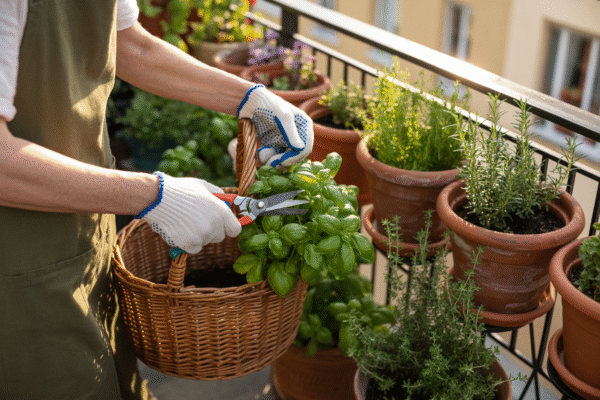
Balcony gardening is often seen as a low-maintenance hobby, but it’s not a “set and forget” activity. While containers make it easier to control soil, space, and watering, they also require more frequent care than in-ground gardens. Skipping routine maintenance is one of the biggest mistakes balcony gardeners make.
When dead leaves pile up, pests multiply. When herbs go unharvested, they become woody and lose flavor. When plants grow wild without pruning, they shade out their neighbors and reduce airflow. In short: neglecting maintenance can turn a thriving balcony oasis into a struggling, messy corner.
The Problem with Poor Maintenance
- Pest and Disease Build-Up
Dead or decaying leaves left in pots create the perfect hiding spot for pests like aphids, spider mites, and fungus gnats. Moist debris can also lead to fungal diseases, which spread quickly in small balcony spaces. - Overgrown Plants Block Light
In a limited space, plants can quickly overshadow each other. A single unpruned tomato plant, for example, can block sunlight from smaller herbs growing nearby, reducing their productivity. - Reduced Yields
Many vegetables, including beans and cucumbers, stop producing if fruits are left too long on the plant. Harvesting regularly encourages them to keep producing — neglecting harvests slows growth and wastes potential.
The Fix: Build a Simple Maintenance Routine
Consistent, small actions keep balcony gardens thriving. You don’t need hours — just a few minutes daily.
- Prune and Deadhead Regularly
Snip off yellowing leaves, pinch back herbs like basil to encourage bushy growth, and deadhead (remove spent flowers) from ornamentals to promote more blooms. - Check for Pests Weekly
Inspect the undersides of leaves, soil surface, and stems once a week. Catching aphids, mites, or mildew early prevents infestations. - Harvest on Time
Pick vegetables when they’re ready. Harvest lettuce leaves regularly, cut herbs before they flower, and pluck cucumbers and beans while tender. Frequent harvesting signals plants to keep producing. - Clean and Refresh Pots
Sweep away fallen leaves, scrub algae or mold from containers, and replace topsoil with fresh compost at least once a season.
Pro Tips for Balcony Garden Maintenance
- Make It Daily Ritual: Spend 5–10 minutes each morning checking soil, trimming leaves, and watering if needed.
- Keep Tools Handy: Store scissors, gloves, and a watering can close to your balcony door for quick access.
- Use Slow-Release Fertilizers: Combine feeding with maintenance so you’re nourishing while tending.
- Track Your Tasks: A small gardening journal or app can help you remember when you last pruned, watered, or fertilized.
Helpful Resources
- University of Illinois Extension – Container Gardening Basics
- The Spruce – Best Vegetables for Container Growing
- RHS – Balcony Gardening Guide
Frequently Asked Questions (FAQ)
1. What’s the number one mistake beginners make?
Overwatering. It’s the fastest way to kill container plants.
2. Can I reuse potting soil every year?
Yes, but refresh with compost or mix in new soil to restore nutrients.
3. What vegetables should I avoid on balconies?
Corn, melons, and pumpkins are too large for most setups.
4. How do I know if my plants get enough sun?
Measure hours of direct light — 6+ hours for fruiting crops, 3–4 for leafy greens.
5. Do balconies on higher floors need special care?
Yes, they’re windier and drier. Use sturdier pots and more mulch.
6. Can I grow year-round on a balcony?
Yes, with seasonal crop rotation and grow lights for winter.