
Introduction to Balcony Garden Pest Control
Starting a balcony garden is exciting, but for many beginners, it comes with unexpected frustrations. One day your plants look healthy, and the next, leaves are yellowing, wilting, or covered in tiny pests. Urban balconies create unique challenges: limited airflow, uneven sunlight, and small containers can make plants more susceptible to insects and diseases.
The good news is that with some practical troubleshooting and natural solutions, you can quickly restore your balcony garden to health without relying on harsh chemicals.
Table of Contents
How Do I Get Rid of Pests on Balcony Plants Naturally?
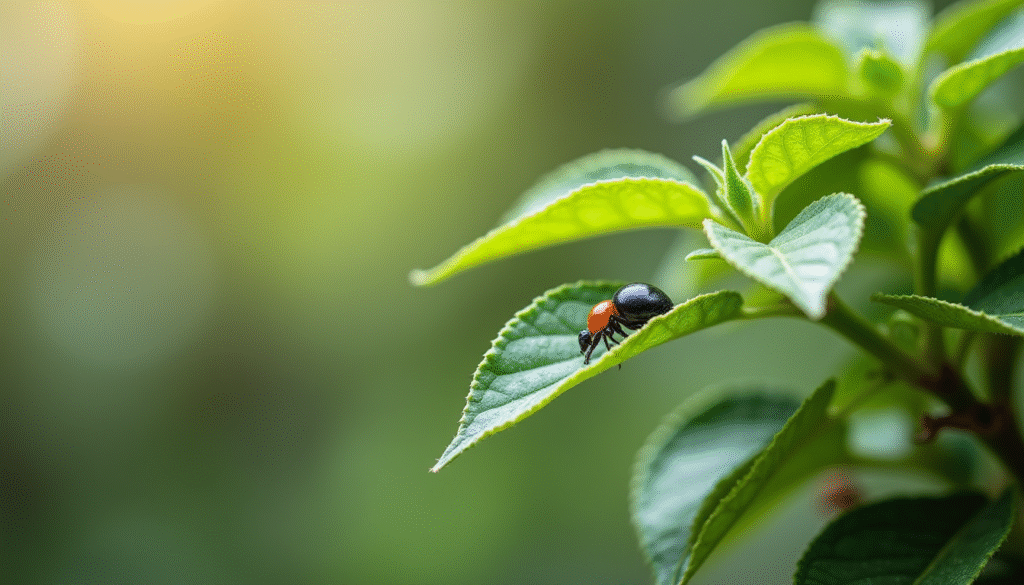
Pests like aphids, spider mites, and whiteflies are common in container gardens. Because balcony gardens are smaller and often stacked or vertical, infestations can spread quickly. Using natural methods not only protects your plants but also keeps your balcony environment safe for children, pets, and neighbors.
Step-by-step natural pest control for beginners:
- Inspect Regularly: Check plants at least twice a week. Look under leaves and near new growth for tiny insects or sticky residue.
- Manual Removal: For small infestations, gently wipe leaves with a damp cloth or spray off pests with a strong stream of water.
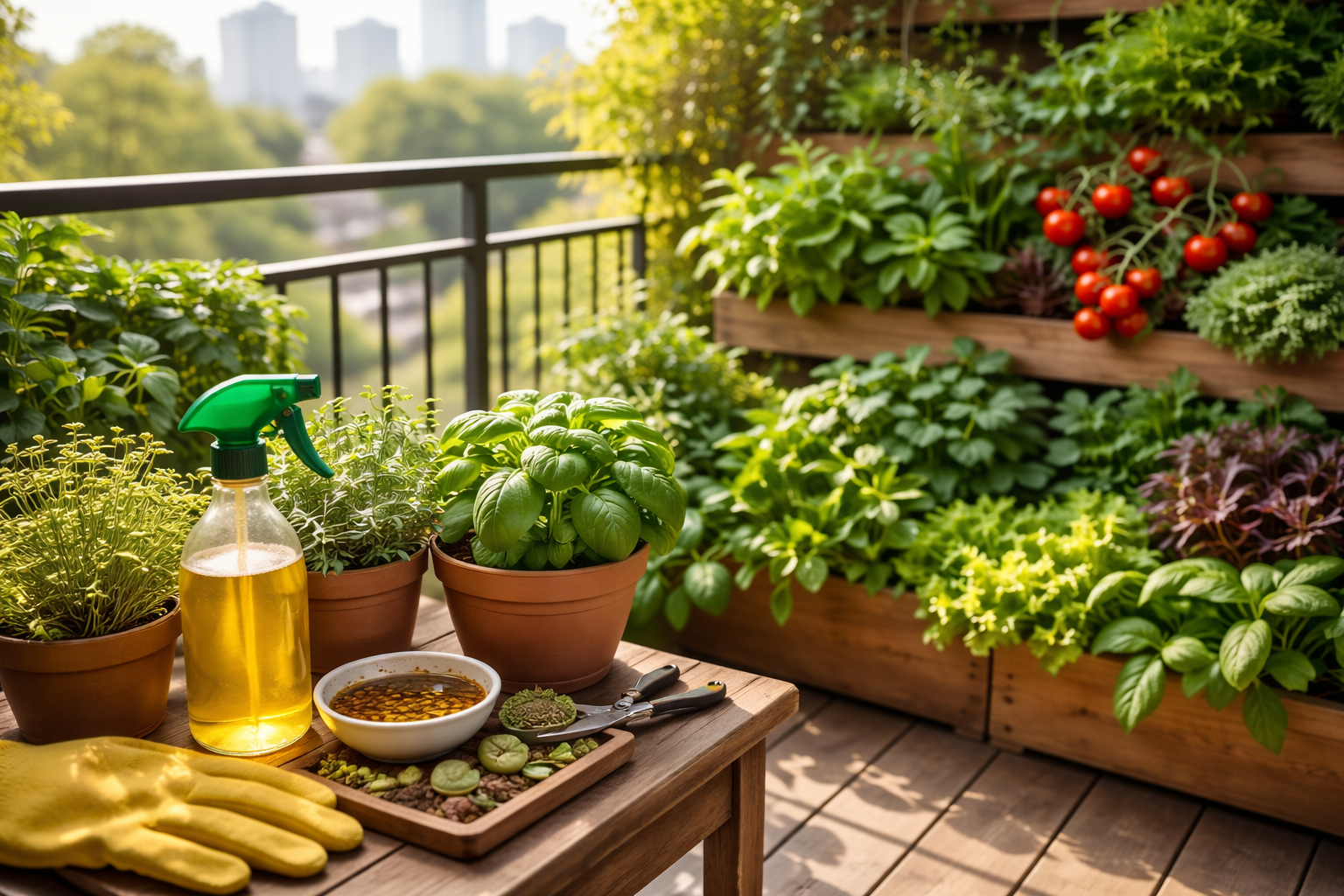
- Neem Oil Spray: Mix 5 ml neem oil with 1 liter of water and a few drops of mild liquid soap. Spray leaves thoroughly once a week.
- Companion Planting: Plant pest-repelling herbs like basil, mint, or marigolds alongside vegetables. This reduces aphids and spider mites naturally.
- Introduce Beneficial Insects: If feasible in your area, ladybugs and lacewings feed on aphids and other soft-bodied insects.
Troubleshooting Table – Common Balcony Pests:
| Pest | Symptoms on Plant | Quick Natural Fix | Notes for Beginners |
|---|---|---|---|
| Aphids | Sticky leaves, curling new growth | Neem oil spray, water flush, ladybugs | Inspect weekly, target new shoots |
| Spider Mites | Tiny webs, speckled leaves | Water spray, neem oil, increase humidity | Usually appear in hot, dry conditions |
| Whiteflies | Small white flies, leaf yellowing | Sticky traps, neem oil, insecticidal soap | Spray early morning or late evening |
| Mealybugs | White cottony spots, stunted growth | Cotton swab with alcohol, neem oil | Focus on hidden leaf joints |
| Fungus Gnats | Small black flies, root decay | Reduce overwatering, top layer sand mulch | Larvae thrive in wet soil |
Why Are My Balcony Plants Wilting or Turning Yellow?
Yellowing or wilting is one of the most common frustrations for beginners, but it usually signals simple environmental or care issues. In balcony gardens, container size, sunlight, and watering habits all play critical roles in plant health.
If your balcony gets intense afternoon sun or stays shaded most of the day, plant choices and layout matter more than pest sprays.
To plan smarter from the start, explore these small balcony ideas for full sun and shady places so your plants grow stronger and resist problems naturally.
Step-by-step troubleshooting for yellowing and wilting
- Check Watering: Overwatering and underwatering are the most frequent causes. Stick your finger 2–3 cm into the soil—if dry, water; if soggy, reduce watering and ensure drainage.
- Assess Sunlight: Too much direct sun can scorch leaves, while too little causes pale yellowing. Adjust plant location or provide temporary shade with a sheer cloth.
- Inspect Roots: In small containers, roots can become crowded, leading to nutrient deficiencies. Repot if roots are circling the container tightly.
- Fertilization: Container plants rely on added nutrients. Yellowing leaves often indicate nitrogen deficiency. Apply a balanced, water-soluble fertilizer once every 3–4 weeks.
- Pest or Disease Check: Look for tiny insects, sticky residue, mold, or powdery mildew. Early detection allows faster treatment with natural remedies.
Troubleshooting Table – Common Symptoms of Stress in Balcony Plants
| Symptom | Likely Cause | Quick Fix | Notes for Beginners |
|---|---|---|---|
| Yellow leaves, slow growth | Nitrogen deficiency, poor soil | Apply balanced liquid fertilizer | Feed every 3–4 weeks; avoid over-fertilizing |
| Wilting despite moist soil | Root rot from poor drainage | Repot with fresh soil, ensure drainage | Use pots with drainage holes |
| Brown leaf edges | Underwatering or too much sun | Water consistently, provide shade | Mulch surface to retain moisture |
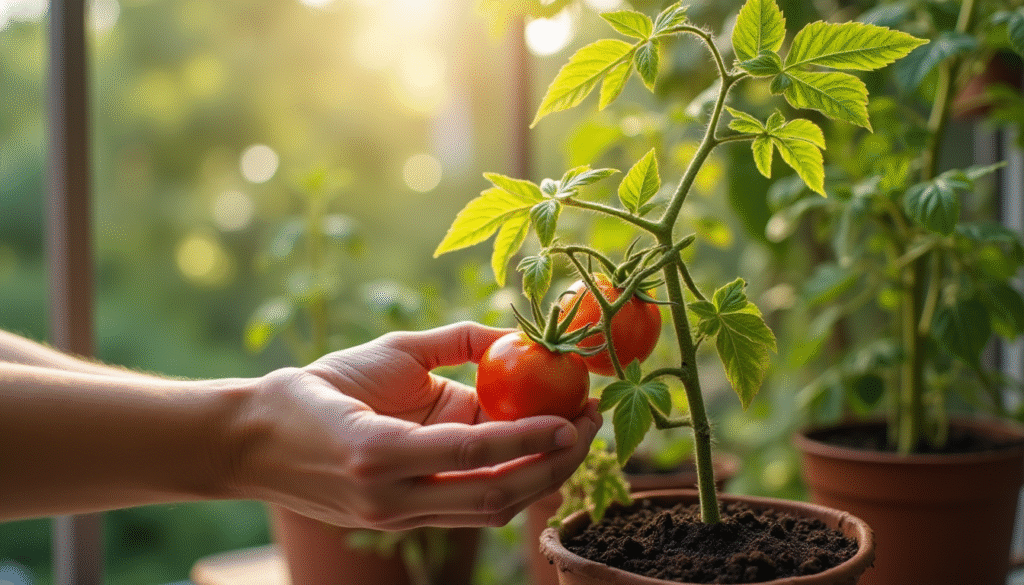
| Curling leaves | Aphids, spider mites, or heat stress | Inspect for pests, mist leaves | Target new shoots for pest removal |
| Leaves dropping | Sudden temperature change or overwatering | Adjust watering, protect from wind/heat | Gradual changes reduce stress |
Understanding these common issues and responding quickly helps beginner gardeners save their plants and reduces frustration. Even small interventions, like adjusting watering schedules or repositioning a planter, often restore health within a few days to a week.
Prevention Strategies for Balcony Garden Pests
Preventing pests before they take hold is always easier than treating an infestation. Regular observation, proper plant spacing, and maintaining clean containers are key to keeping your balcony garden healthy.
Step-by-step prevention tips
- Cleanliness: Remove fallen leaves, old flowers, and debris weekly to prevent pests from hiding.
- Proper Spacing: Avoid overcrowding pots and planters. Leave at least 10–15 cm between containers to improve airflow.
- Healthy Plants: Strong, well-fed plants are less susceptible to insects and disease. Fertilize lightly and consistently.
- Rotate Plants: Change locations or pots seasonally to reduce soil-borne pests.
- Inspect New Plants: Quarantine any new plant for 3–5 days before introducing it to your balcony garden.
Watering and Soil Corrections
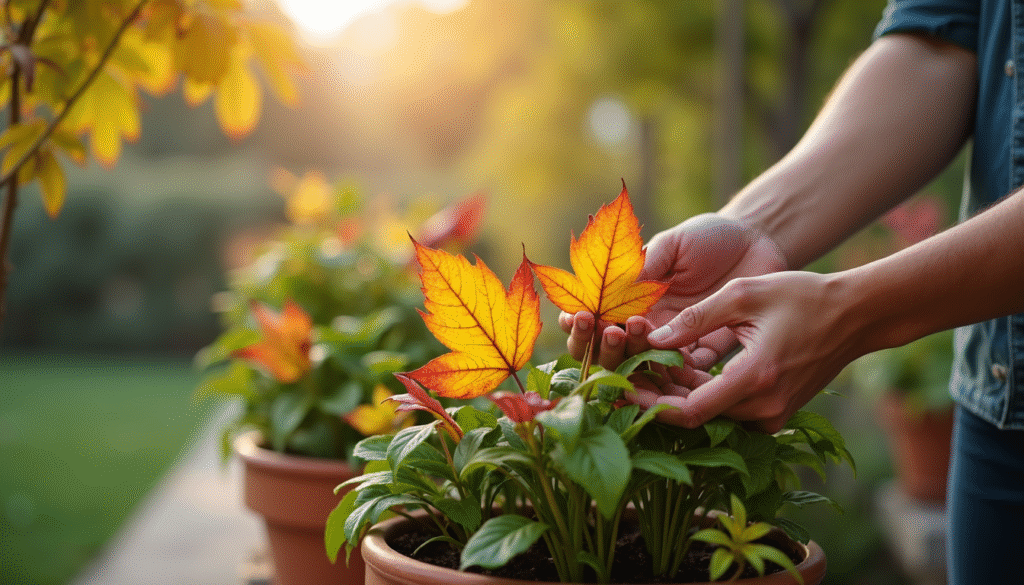
Watering and soil quality directly impact plant health and pest resistance. Many beginners struggle with balancing moisture in small containers.
Watering and soil tips:
- Check moisture levels: Stick your finger 2–3 cm into the soil before watering. Water only if the soil feels dry.
- Drainage: Use pots with drainage holes and place a saucer underneath to catch excess water.
- Soil mix: Use well-draining, lightweight potting soil. Mix in compost or perlite for aeration.
- Mulching: A thin layer of organic mulch keeps soil moist longer and prevents fungal spores from splashing onto leaves.
Long-Term Care Habits for Healthy Balcony Plants
Maintaining a thriving balcony garden requires consistent, proactive care. Small daily habits prevent minor problems from becoming serious issues.
Essential long-term care habits:
- Regular Inspection: Check plants twice a week for signs of pests, discoloration, or wilting.
- Pruning and Harvesting: Trim dead leaves and harvest vegetables as they ripen to promote continued growth.
- Fertilizing: Apply liquid or slow-release fertilizer every 3–4 weeks to keep nutrients balanced.
- Seasonal Adjustments: Shift plants to follow sunlight changes or protect them from heavy rain and wind.
- Pest Monitoring: Keep sticky traps, neem oil, or natural sprays on hand for early treatment if needed.
Conclusion
Balcony gardens are rewarding, but beginners often face pests, wilting, and yellowing leaves. By observing plants closely, applying natural pest control, adjusting watering, and maintaining healthy soil, you can prevent most common problems.
Incorporating preventative habits, seasonal adjustments, and consistent care ensures your balcony garden remains lush, productive, and a pleasant urban oasis all year round.
FAQ
1. How often should I check my balcony plants for pests?
Inspect plants at least twice a week, focusing on new growth and the undersides of leaves. Early detection of pests like aphids or spider mites allows you to address problems before they spread.
2. Can I use household items to control pests naturally?
Yes. Mild soapy water, neem oil, or rubbing alcohol on cotton swabs can control aphids, mealybugs, and small infestations. These methods are safe for plants, pets, and people.
3. Why are my balcony plants wilting even though I water them?
Wilting despite watering usually indicates poor drainage or root rot. Ensure pots have drainage holes and avoid overwatering. Repotting in fresh, well-draining soil often restores plant health.
4. How can I prevent pests from coming back?
Prevent pests with clean containers, proper spacing, healthy plants, and regular rotation. Companion planting with herbs like basil and mint can naturally repel insects and reduce the chance of repeat infestations.
5. What is the best soil for balcony container plants?
Use lightweight, well-draining potting mix. Adding compost or perlite improves aeration and nutrient retention. Avoid dense garden soil, which can compact and suffocate roots in small containers.
6. How do I adjust care for seasonal changes on a balcony?
Move plants to follow sunlight, protect from heavy rain or wind, and reduce watering in cooler months. Seasonal adjustments prevent stress and minimize susceptibility to pests and diseases.
7. Are there eco-friendly ways to fertilize balcony plants?
Yes. Compost, kitchen scraps, and slow-release organic fertilizers provide nutrients without chemicals. Liquid compost tea is also effective for leafy greens and container vegetables.
Helpful Resources
- USDA National Gardening Association – Guides on container gardening and pest management
- Royal Horticultural Society – Expert advice for urban and balcony gardening
- University of California Agriculture & Natural Resources – Pest and disease troubleshooting in small spaces
- Missouri Botanical Garden – Plant care tips and natural pest control
- Cornell Cooperative Extension – Sustainable gardening practices and urban plant care