
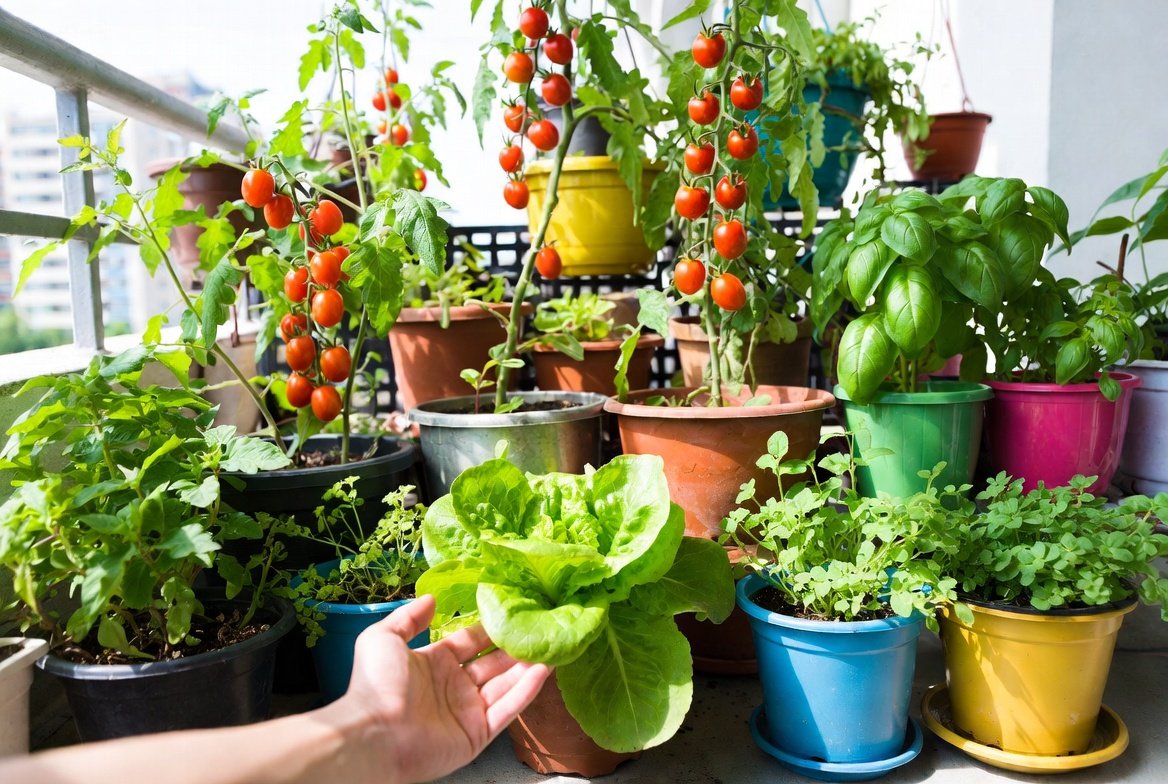
How Often Should You Harvest Balcony Vegetables: The Answer You Need
Growing vegetables on your balcony is one of the most rewarding experiences you can have as a home gardener. I still remember the first time I picked crisp, fresh lettuce from a pot on my tiny balcony—something I never thought possible when I lived in a high-rise apartment. But once you start harvesting, a big question comes up: How often should you harvest balcony vegetables? Getting the timing right makes all the difference in getting the most out of your plants.
In this balcony vegetable harvest guide, I’ll share what I’ve learned through years of hands-on gardening, common mistakes I’ve made, and practical steps you can take to harvest container vegetables at just the right moment.
Whether you’re just starting with when to harvest vegetables containers or want to improve your timing for better yields, this article has you covered in a friendly, easy-to-understand way.
Table of Contents
Why Timing Matters in Harvesting Container Vegetables
One thing I’ve noticed as a balcony gardener is this: timing affects flavor, plant health, and overall productivity. Harvest too early, and your veggies may be small, bland, or less nutritious. Wait too long, and they can become tough, bitter, or past their peak.
Plants follow natural growth cycles, and understanding those cycles helps you pick the best time for harvest. Many universities, including resources from the University of California Agriculture & Natural Resources, explain that each vegetable has its own signs of maturity and best harvest window based on its biology. Following these cues makes your harvesting container vegetables far more successful.
Getting timing right is especially important in when to harvest vegetables containers because the stress of container growing (less soil, variable moisture, and temperature swings) can speed up or slow down growth.
First Steps: Know Your Vegetable’s Harvest Window
From my experience, the biggest shift in my success came when I started paying close attention to the harvest window for each crop. I used to pick everything “when it looked good,” only to learn that each vegetable has subtle cues that tell you it’s ready.
For example, leafy greens like lettuce and spinach are best picked when the leaves reach a size you like but before they get too large and start to taste bitter. Root crops like radishes show a slightly swollen top above the soil when they’re ready.
A good resource for harvest timing and signs of maturity is the United States Department of Agriculture (USDA) gardening site, which offers details on many common vegetables. They break down harvesting into practical stages, helping you decide if a vegetable is at the right size and texture for picking.
Learning these signs helps you make informed decisions about when to harvest vegetables containers instead of guessing.
How Often Should You Harvest Lettuce and Leafy Greens?
Leafy greens are some of the fastest-growing plants in the balcony garden world. In my first year, I learned that picking too much too early can slow plant regrowth—but waiting too long can make leaves bitter and tough.
Here’s what I’ve found works best:
When your lettuce leaves are about 3–4 inches long, start harvesting from the outer leaves one by one. This lets the center continue growing. I check my greens every 2–4 days depending on how warm it is; heat speeds up growth and means more frequent checks.
For spinach and arugula, I’ve learned to pick leaves early in the morning when they’re cool and crisp. This timing keeps them tender and sweet instead of wilted and bitter by midday sun.
In short, leafy greens often need checking every few days during active growth. That’s why having a balcony vegetable harvest guide with timelines makes your work smoother and your harvests tastier.
Harvest Timing for Fruiting Container Vegetables
Fruiting vegetables like tomatoes, peppers, and eggplants are where timing really shows its value.
With container tomatoes, I look for full color development (deep red, orange, or yellow depending on the variety) and a slight softness when gently squeezed. Once the first fruits mature, I usually check every 2–3 days because the next ones ripen quickly.
Peppers are similar. Green bell peppers can be picked once they’re firm and reach the expected size, while hot peppers often get hotter the longer they stay on the plant. I make a habit of tasting a piece from time to time to determine my preferred heat and flavor.
Eggplants are ready when their skin is shiny and firm. If the skin starts to dull or seeds show inside, it means you waited too long.
For all of these, checking your plants every few days once fruiting begins keeps you on top of timing. Consistent harvesting encourages more production, which is a key part of successful harvesting container vegetables.
Roots and Bulbs: Patience Pays Off
Root vegetables like carrots, beets, and radishes are different from above-ground crops. They take longer to mature, and timing matters here too.
I remember planting my first batch of radishes, thinking they were ready after two weeks, only to find tiny roots. That taught me to check seed packets for suggested days to maturity and feel the soil near the top of the root to judge size.
Carrots and beets need a bit more patience. I usually check once a week by gently brushing away soil near the top of the root to see how they’re doing. When they reach the expected width (usually stated on the seed pack), it’s time to harvest.
These crops don’t need daily checking but do benefit from periodic monitoring so you don’t miss peak flavor.
Herbs: Pick Often to Encourage Growth
Herbs are one of the most forgiving balcony crops when it comes to harvest timing. But here’s something I learned the hard way: herbs that aren’t harvested regularly become woody and less productive.
For basil, I pick leaves as soon as plants have 6–8 mature leaves. Then I make it a habit to snip every couple of days, which keeps the plant producing more and stops premature flowering (bolting). Once basil bolts, the flavor changes quickly and becomes bitter.
Mint, parsley, cilantro, and thyme can all be harvested often, but I always leave enough foliage behind so the plant can keep growing. Checking these herbs every 2–3 days during peak season works well.
In general, frequent harvesting improves growth in herbs—so make a habit of picking a few sprigs whenever you water your balcony containers.
Check Your Plants Regularly, Not Just on a Schedule
One thing I’ve learned through years of balcony gardening is that calendars help, but plants tell the real story. Weather, container size, soil quality, and sun exposure all influence growth.
Some days I inspect my plants and realize they’re ready even when the “days to harvest” on the seed package hasn’t arrived yet. Other times I wait longer because cooler weather has slowed growth.
The key is to observe: Look at size, color, firmness, and leaf texture. Learn your crop’s cues and check your containers every few days during the growing season once plants reach maturity.
Common Mistakes to Avoid When Harvesting Container Vegetables
When I first started, I made plenty of mistakes that cost me time and harvests. One big mistake was waiting too long to pick vegetables because I thought they “might get bigger.” Instead, they became tough or went past their best eating quality.
Another mistake was not checking often enough. In a balcony garden, some vegetables can go from perfect to overripe in just a day or two, especially in warm conditions.
Over-harvesting young plants is also common. I learned that taking too many leaves from a young lettuce plant can slow its regrowth. Start with outer leaves and leave the center growing point intact.
Finally, ignoring plant health signals—like yellowing leaves or slow growth—can fool you into thinking harvest timing is the issue when the plant actually needs more nutrients or water.
Practical Schedule for Harvesting Common Balcony Vegetables
Here’s a real pattern I follow that works well:
- Leafy greens: check every 2–4 days
- Herbs: every 2–3 days
- Tomatoes & peppers: every 2–3 days once fruiting begins
- Radishes & quick roots: weekly once roots show shape
- Carrots & beets: weekly once near maturity
But don’t stick rigidly! Plants often tell you exactly when they’re ready.
Trusted Resources to Improve Your Harvest Timing
If you want more in-depth, science-driven info, these authoritative sources have excellent harvest guides you can trust:
USDA Gardening Resources – planting and harvesting info
https://www.usda.gov/topics/education/gardening
University of California Agriculture & Natural Resources – vegetable maturity & harvest cues
https://ucanr.edu/sites/gardenweb/
These links helped me map specific harvest timing for crops, and I use them every season.
A Final Word: Harvest Confidently and Frequently
Knowing when to harvest vegetables containers isn’t about checklists alone—it’s about paying attention to your plants and enjoying the process. You’ll get better every season, just like I did, by observing, tasting, and learning.
Harvesting regularly keeps your plants productive and your balcony full of fresh food. And there’s no better feeling than eating a tomato you picked yourself just minutes before.
Let your balcony garden grow—and let your harvests come often and confidently!
Frequently Asked Questions
What is the best way to know when to harvest container vegetables?
The best way is to observe visual cues like size, color, texture, and days to maturity on seed packets. Check plants every few days once they approach maturity. Plants often show readiness through firm fruit, vibrant color, or fully developed roots above soil. Trust your eyes and touch—not just the calendar.
How often should I check my balcony vegetables for harvest readiness?
During peak growth, checking every 2–4 days is ideal. Faster-growing leafy greens may be ready more often, while root crops can be checked weekly. Regular checks help you catch vegetables at peak flavor and prevent overripeness.
Why does harvesting at the right time matter for container vegetables?
Harvesting at the right time ensures peak flavor, texture, and nutrition. Waiting too long can make vegetables tough, bitter, or seedy, while picking too early may mean smaller, less flavorful produce. Correct timing also encourages continued production.
Can I harvest herbs more frequently than vegetables like tomatoes?
Yes! Herbs like basil, mint, and parsley often benefit from frequent harvesting. Regular picking encourages new growth and prevents premature flowering, which can reduce flavor. Vegetables like tomatoes need less frequent checks once fruiting begins.
What are signs that a balcony vegetable is ready to harvest?
Signs include mature size per seed packet, firm texture, vibrant color, and characteristic shape. For example, tomatoes should be fully colored and slightly soft, while radishes show a swollen top above the soil. Watching these cues helps you harvest at peak quality.
Further Reading
🔗 Growing Vegetables in Containers – University of New Hampshire Extension fact sheet
This extension resource covers container gardening basics and notes that fast‑growing leafy crops (like salad greens and herbs) can be harvested every few days, and that successive plantings can be done every 3–4 weeks to maintain continuous harvests.
🔗 Clemson Extension: Container Vegetable Gardening
A basic factsheet on growing vegetables in containers (including balconies), with advice on choosing crops, sunlight needs, and general harvest considerations.
🔗 Clemson Extension: Harvesting Vegetables factsheet
This guide explains how different vegetables reach peak eating quality and why timing is important for harvesting — key context for knowing when to pick different crops.