

Balcony gardening can be incredibly rewarding, giving city dwellers a touch of greenery and fresh herbs or vegetables right at their doorstep. But for beginners, it’s easy to get frustrated when plants start wilting, yellowing, or simply refusing to thrive.
Often, these problems aren’t due to bad luck—they’re caused by common container gardening mistakes that can be fixed with a little know-how.
Understanding what goes wrong and how to correct it will save you time, money, and countless sad plant casualties.
Want to avoid even more common pitfalls? Check out our guide on 10 Grave Balcony Gardening Mistakes Every Beginner Should Know for practical tips to keep your plants thriving.
Table of Contents
What Common Mistakes Kill Balcony Plants?
Many first-time balcony gardeners face similar challenges, from overwatering to poor soil choices. Recognizing these mistakes early is the first step to healthy plants.
Overwatering and Poor Drainage
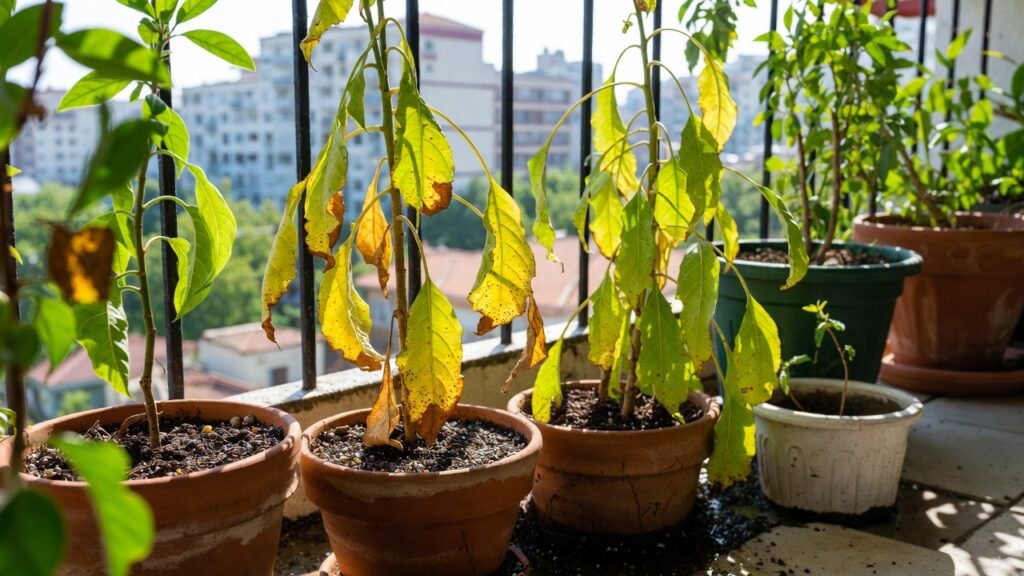
Overwatering is one of the most frequent killers of balcony plants. Containers with no drainage holes or soil that retains too much water can suffocate roots, leading to root rot.
Symptoms include yellowing leaves, wilting despite moist soil, and a musty smell from the soil.
How to fix it:
- Check drainage: Make sure every container has holes at the bottom. If your pot doesn’t, drill or buy a proper container.
- Use well-draining soil: Mix regular potting soil with perlite or coarse sand in a 3:1 ratio to improve drainage.
- Water mindfully: Stick your finger about 2 inches into the soil—only water if it feels dry at that depth.
| Problem | Symptom | Solution |
|---|---|---|
| Overwatering | Yellow leaves, wilting, mushy roots | Ensure drainage, use well-draining soil, water only when soil is dry |
| Poor drainage | Water pooling, root rot | Add holes, use raised pot saucers, mix soil with sand or perlite |
Underwatering
On the flip side, not watering enough is equally damaging. Containers dry out faster than garden beds, especially in full sun or on windy balconies. Plants start drooping, leaves curl, and growth slows dramatically.
Step-by-step fix:
- Establish a watering schedule: For hot, sunny balconies, most containers need daily watering in the morning or evening.
- Check soil moisture: Use a moisture meter or stick your finger in the soil. Aim for soil that’s damp but not soggy.
- Mulch the surface: A 1–2 inch layer of organic mulch (like shredded bark) reduces evaporation and stabilizes soil moisture.
For a complete guide on keeping your balcony plants perfectly hydrated, check out our detailed Balcony Water-Saving Tips to prevent both overwatering and underwatering in your container garden.
Sunlight Mismanagement
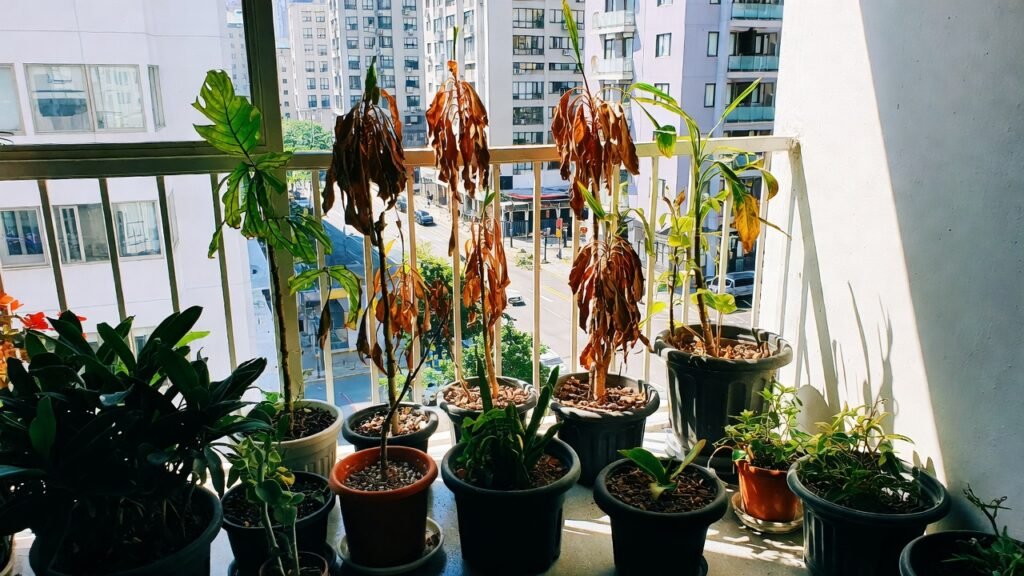
Balcony gardeners often misjudge how much sun their plants receive. Some plants scorch under too much direct sunlight, while others fail to thrive in shade.
Common signs include brown leaf edges, faded foliage, or stunted growth.
Fix it effectively:
- Know your plants: Full-sun plants like tomatoes or basil need 6–8 hours of direct sunlight. Shade lovers like mint or leafy greens thrive with 3–4 hours or filtered light.
- Adjust placement: Use shelves, hangers, or move pots during extreme sun periods. Temporary shading with sheer fabric can protect delicate plants.
- Rotate plants: Turn pots weekly to ensure all sides receive light evenly, promoting balanced growth.
| Problem | Symptom | Solution |
|---|---|---|
| Too much sun | Brown leaf edges, faded foliage | Move to partial shade, use sheer shading cloth, rotate pots |
| Too little sun | Slow growth, leggy stems | Move to sunnier spot, use reflective surfaces to boost light |
For more ideas on arranging your balcony plants based on sunlight, see our guide on Small Balcony Garden Ideas for Full Sun & Shady Spaces, with tips for selecting the right plants and positioning them for healthy growth.
Using the Wrong Containers
Beginners often choose containers based on looks rather than plant needs. Tiny pots limit root growth, while shallow containers dry out too quickly. Heavy pots may be impractical for balcony safety.
Step-by-step solution:
- Choose size wisely: Most herbs need at least 6–8 inches of depth; small vegetables require 12–18 inches.
- Consider material: Terracotta pots dry faster but look classic; plastic retains moisture longer and is lighter.
- Add elevation: Use pot feet or risers to improve airflow underneath, which prevents waterlogging and pests.
Soil Problems
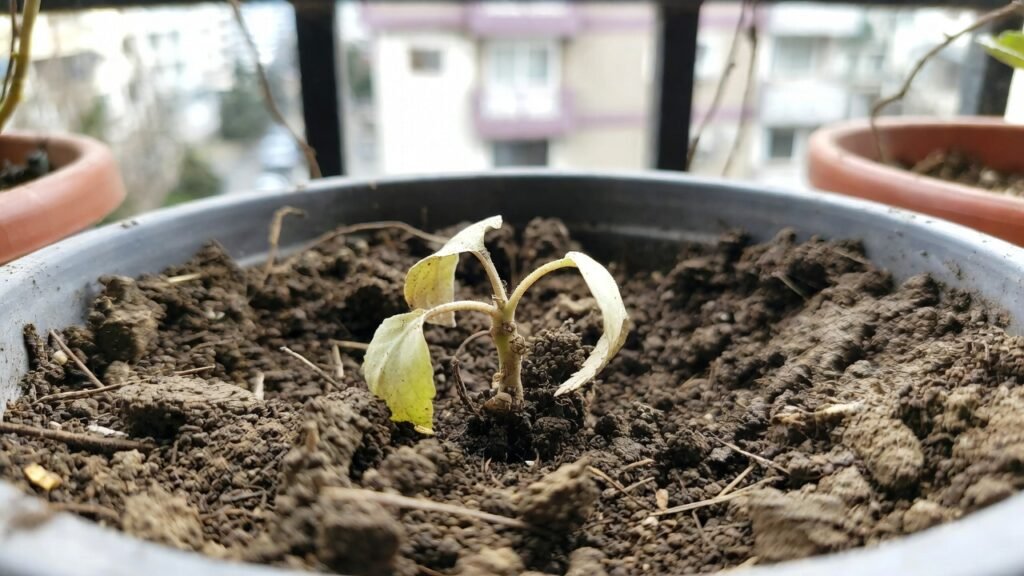
Using garden soil or the wrong potting mix can lead to nutrient deficiencies, compaction, and poor drainage. Plants may show pale leaves, slow growth, or root-bound issues.
Practical fixes:
- Use quality potting mix: Look for mixes labeled for container plants with peat moss, perlite, and compost.
- Add fertilizer: Feed with balanced, slow-release fertilizer every 4–6 weeks for leafy plants, or liquid fertilizer for flowering/fruiting plants every 2 weeks.
- Repot when needed: If roots start circling the pot, move to a larger container to encourage healthy growth.
| Problem | Symptom | Solution |
|---|---|---|
| Poor soil | Pale leaves, stunted growth | Use quality potting mix, add fertilizer, repot if root-bound |
| Compacted soil | Poor water absorption | Loosen soil gently, mix with perlite or compost |
How Can I Fix Container Gardening Problems?
Now that we’ve covered the common mistakes, let’s focus on practical solutions for soil, watering, sunlight, and container selection to keep your balcony plants thriving.
Soil Solutions
Healthy soil is the foundation of successful container gardening. Poor soil leads to stunted growth, yellow leaves, and root-bound plants.
Step-by-step soil fixes:
- Choose the right potting mix: Select a commercial potting mix designed for container plants, containing peat moss, perlite, and compost for aeration and nutrients.
- Amend soil for nutrients: Add slow-release fertilizer or organic compost every 4–6 weeks to maintain consistent nutrition.
- Repot when necessary: If roots start circling the pot or plants outgrow their containers, repot into a slightly larger pot to encourage healthy root expansion.
Watering Solutions
Watering is the most common source of frustration for balcony gardeners. Both overwatering and underwatering are harmful.
Tips for proper watering:
- Check soil moisture daily: Stick a finger about 2 inches into the soil; water only when dry at that depth.
- Water thoroughly: Ensure water reaches the roots and drains out the bottom of the pot.
- Adjust frequency seasonally: Hot summer days require more frequent watering; cooler months need less.
- Use self-watering containers: These can reduce stress for beginners and maintain consistent soil moisture.
Sunlight Solutions
Sun exposure is critical, and mismatched sunlight can weaken or burn plants.
Step-by-step adjustments:
- Know plant needs: Full-sun herbs like basil and tomatoes need 6–8 hours of sunlight. Shade-tolerant plants like spinach or mint need 3–4 hours.
- Reposition pots: Move containers based on seasonal sun changes, avoiding harsh midday sun for delicate plants.
- Use shading: Lightweight mesh or fabric can protect sensitive plants from scorching while allowing airflow.
Container Selection Solutions
Choosing the correct container ensures plants have enough room to grow and remain safe on your balcony.
Pro tips for container choice:
- Size matters: Herbs need 6–8 inches deep; vegetables require 12–18 inches.
- Material choice: Terracotta offers breathability but dries quickly; plastic retains moisture and is lighter for easy handling.
- Elevate pots: Use pot feet or stands to improve drainage and airflow, preventing root rot and pest buildup.
| Problem | Symptom | Solution |
|---|---|---|
| Poor soil | Stunted growth, nutrient deficiencies | Use quality potting mix, amend with compost/fertilizer, repot if root-bound |
| Water issues | Yellow leaves, drooping, wilting | Check moisture, water deeply but not excessively, use self-watering pots |
| Sunlight mismatch | Sunburn, leggy growth | Move pots according to light requirements, provide shade if necessary |
| Wrong containers | Root-bound plants, rapid drying | Select proper size and material, elevate for drainage, repot when needed |
Pro Tips for Beginner Balcony Gardeners
- Start small: Begin with 3–5 containers and expand once confident.
- Group by water needs: Keep plants with similar watering requirements together for easier care.
- Regular inspections: Check leaves, stems, and soil weekly to catch problems early.
- Rotate seasonally: Shift pots to balance sunlight and protect from harsh weather.
- Keep a log: Track watering, fertilization, and growth to learn patterns unique to your balcony.
Conclusion
Container gardening on a balcony can feel tricky, but most problems have simple solutions. By managing soil quality, watering correctly, providing the right sunlight, and selecting appropriate containers, your plants will flourish.
With patience, observation, and the tips above, even beginners can turn a small balcony into a vibrant green space, enjoying fresh herbs, vegetables, and flowers all year round.
FAQ
1. How often should I water my balcony plants?
Watering depends on container size, plant type, and weather. Generally, check soil daily and water when the top 2 inches are dry. Smaller pots and hot, sunny balconies may need daily watering, while larger pots retain moisture longer.
2. Can I use garden soil in my balcony containers?
Garden soil is not ideal for containers because it compacts, drains poorly, and may carry pests. Use a commercial potting mix designed for container plants to ensure proper aeration, drainage, and nutrient availability.
3. How do I know if my plant is getting too much sun?
Signs of excessive sun include brown or scorched leaf edges, faded foliage, and drooping leaves during midday. Move the plant to a partially shaded area or use light mesh to filter sunlight.
4. When should I repot my balcony plants?
Repot when roots start circling the container, soil becomes compacted, or the plant outgrows its pot. Typically, repotting every 1–2 years helps maintain healthy growth and nutrient availability.
5. What are the easiest plants for beginners on a balcony?
Herbs like basil, mint, parsley, and chives are resilient. Leafy greens like spinach and lettuce are also easy. These plants tolerate variable conditions and are forgiving to minor watering or sunlight mistakes.
6. How can I prevent pests in my balcony garden?
Inspect plants weekly, remove dead leaves, and avoid waterlogging. Use neem oil, insecticidal soap, or companion planting like basil near tomatoes to naturally deter pests without chemicals.
7. Can I grow vegetables in small balcony containers?
Yes, choose compact varieties like cherry tomatoes, dwarf peppers, lettuce, and radishes. Ensure containers are at least 12–18 inches deep with well-draining soil and sufficient sunlight.