
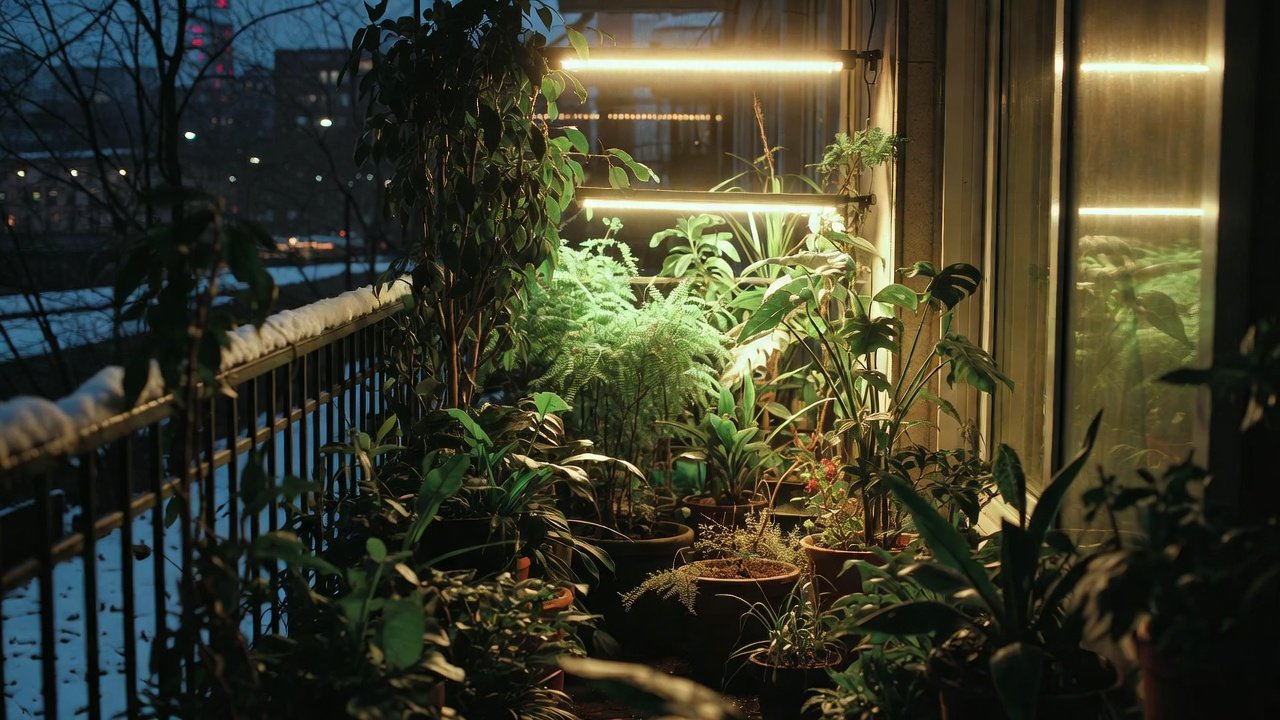
Balcony Garden Lighting Hacks for Winter and Low-Light Spaces
Shorter days and shaded urban balconies can make winter gardening feel limiting, but the right lighting strategy changes everything.
Balconies in urban apartments often struggle to provide enough natural sunlight for healthy plant growth. Winter days are short, and high-rise buildings or shaded orientations can leave container gardens with just a few hours of weak sunlight—or none at all. For remote workers or busy professionals, this makes maintaining a thriving balcony garden even more challenging, especially when plants are relied upon for fresh herbs, vegetables, or indoor greenery.
Fortunately, smart lighting solutions can transform a low-light balcony into a productive garden space. By understanding how plants use light and implementing practical grow light strategies, even small spaces can stay vibrant throughout the darker months.
This guide explores simple, affordable techniques to ensure your balcony plants continue to grow and flourish, regardless of season or sun exposure.
Table of Contents
How Plants Use Light and Why Low-Light Spaces Need Help
Plants depend on light for photosynthesis, the process that converts sunlight into energy for growth, flowering, and fruiting. Light also plays a key role in regulating plant behavior, affecting leaf development, stem elongation, and overall resilience. When natural light is insufficient, these processes slow down, leading to pale leaves, leggy growth, and delayed flowering or fruiting. Even plants that tolerate shade benefit from additional lighting during winter months. Recognizing the quality, intensity, and duration of light your balcony receives is essential to creating a thriving container garden in low-light spaces.
Indicators that plants need supplemental light are often subtle but noticeable. Stretched or leggy stems indicate the plant is reaching for light, while faded or pale leaves suggest insufficient energy for photosynthesis. Slower growth, delayed flowering, or leaf drop are additional warning signs. Monitoring these signs and responding with supplemental lighting ensures your plants remain healthy and productive, even with limited natural sunlight.
If you’re still determining where to place containers before installing lights, Small Balcony Garden Ideas for Full Sun & Shady Spaces offers layout strategies that make the most of both bright corners and deeply shaded zones.
Affordable Grow Lights and Timing Strategies for Small Spaces
Supplemental lighting does not have to be expensive or complicated. Modern LED grow lights are compact, energy-efficient, and available in sizes suitable for small balconies. When selecting lights, consider the spectrum, energy consumption, and physical size. Full-spectrum LEDs mimic natural sunlight and support all stages of plant growth. Many affordable LED panels and clip-on lights are available that provide sufficient coverage for a few pots or a small balcony shelf. Choosing energy-efficient options ensures that your electricity bill remains manageable while keeping your plants healthy.
Timing is just as important as the type of light. Most vegetables and herbs thrive with 12 to 16 hours of light daily, but winter balconies often receive only four to six hours of sunlight. Using timers to extend lighting periods ensures consistent growth without requiring constant attention. Lights can be scheduled to supplement natural sunlight in the morning or evening, effectively lengthening the plant’s “day” and maintaining healthy photosynthesis. Observing plant responses and adjusting duration or distance from foliage ensures optimal results and prevents stress from over- or under-lighting.
Step-by-Step Setup for Grow Lights
1. Assess Your Balcony and Light Conditions
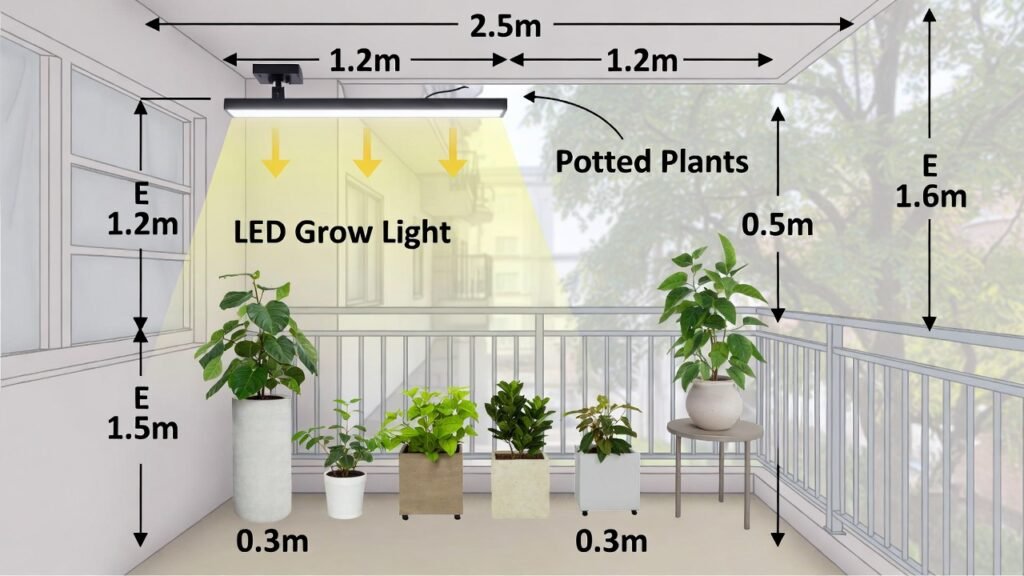
Begin by observing where natural sunlight reaches your balcony throughout the day. Identify shaded corners and areas that receive the most light. Measure distances and space available for your plants to determine optimal placement for artificial lights. This assessment ensures that your grow lights complement, rather than replace, available sunlight.
2. Choose the Right Type of Grow Light
Select a light suitable for your plant types and container sizes. Options include compact LED panels, clip-on bars, or strip lights. Full-spectrum LEDs work well for mixed plant setups, while adjustable lights allow targeting specific wavelengths for leafy or flowering plants. Consider energy efficiency and the fixture’s size relative to your balcony layout.
3. Position Lights Correctly Above Plants
Place the lights approximately 20–40 centimeters above the foliage to provide even coverage without overheating leaves. Adjust the distance based on the light’s intensity and the plants’ response. Ensuring proper height prevents scorching while maintaining strong, compact growth.
4. Set Timers for Consistent Lighting
Program timers to deliver 12–16 hours of light per day, including both natural and artificial sources. Split lighting into morning and evening periods if natural sunlight is limited. Consistent schedules prevent stress from over- or under-lighting and simplify daily maintenance for busy gardeners.
5. Monitor Plant Response and Adjust as Needed
Check leaf color, stem length, and overall growth weekly. Stretching, discoloration, or curling leaves indicate that adjustments are needed in light distance, duration, or spectrum. Rotate pots periodically to ensure even exposure, and fine-tune settings to keep plants thriving throughout winter and low-light periods.
With thoughtful placement and timing, even a modest balcony can sustain healthy plant growth throughout winter. For multi-tiered balcony gardens, reflective surfaces or staggered lights help maximize coverage without requiring additional fixtures. Small adjustments to light position, duration, and intensity often make a bigger difference than simply adding more equipment. This approach is particularly suited to busy professionals who cannot spend long hours tending to their balcony garden each day.
Even with the best artificial lighting, combining natural sunlight with grow lights produces the most balanced growth. By layering natural and supplemental light, plants can maintain healthy development while reducing energy use and stress on stems and leaves. Understanding light spectrum, duration, and placement ensures that both leafy greens and flowering plants thrive, even in small, shaded balconies.
Combining Natural Light with Artificial Lighting
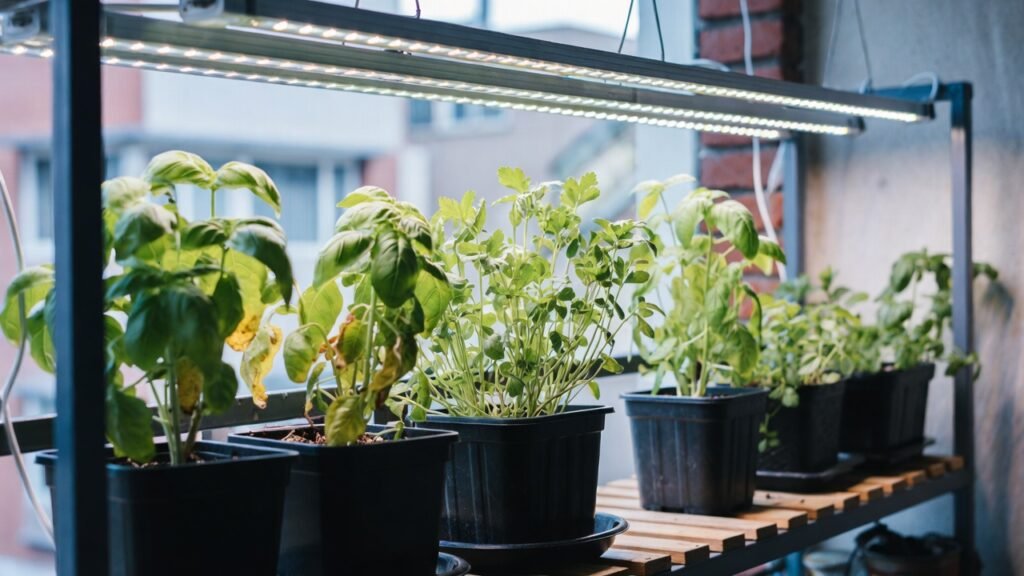
Even minimal natural light contributes to plant health, so it’s important to use it strategically. Position potted plants near windows or balcony edges where sunlight is available, and supplement with LED grow lights during periods of low intensity or short daylight. For small-space gardening, reflective surfaces like white walls or mirrors can bounce sunlight deeper into the space, reducing shadows and enhancing photosynthesis. By starting lighting in the early morning and continuing in the late afternoon, you create an extended “day” that mimics natural sunlight cycles.
Adjusting light based on seasonal changes is also helpful. In late winter, when sun angles are lower, slightly extending artificial light hours may compensate for reduced direct sunlight. Conversely, during brighter winter days, you can reduce artificial lighting to conserve energy while still maintaining healthy plant growth.
If your balcony also experiences temperature swings, it helps to pair lighting adjustments with seasonal protection strategies outlined in Balcony Garden Climate Tips: Preparing Your Plants for Heat Waves and Cold Snaps, so plants stay stable both thermally and photobiologically.
Light Spectrum Tips for Leafy vs. Flowering Plants
Different plants respond to specific light wavelengths, which is why understanding spectrum is critical. Leafy greens such as spinach, lettuce, and herbs benefit from blue light, which encourages dense foliage and strong stems. Flowering plants or fruiting vegetables, including tomatoes, peppers, and basil in bloom, respond better to red light, which promotes flowering and fruit development.
Many full-spectrum LEDs combine both red and blue wavelengths, supporting all stages of growth in mixed container gardens. For small-space balcony setups, choosing adjustable or dual-spectrum lights allows you to tailor the light spectrum based on the dominant plant type. Leafy plants can be positioned under more blue-heavy light, while flowering species receive slightly higher red light intensity to maximize blooms and productivity.
Energy-Efficient Lighting Hacks
Maintaining a balcony garden during low-light periods doesn’t need to drive up electricity costs. LED lights are already energy-efficient, producing minimal heat while delivering sufficient photosynthetically active radiation. To optimize energy use:
- Use timers to ensure lights run only as long as needed.
- Group plants by light requirement, concentrating light where it is most effective.
- Employ reflective surfaces to bounce light and reduce the number of fixtures needed.
- Consider compact, clip-on LEDs for individual pots rather than larger panels that illuminate unused space.
Additionally, combining natural sunlight with LED grow lights can further reduce energy consumption. For instance, placing plants where they receive morning sun allows you to shorten artificial light periods while maintaining total daily light hours.
These small adjustments make winter gardening both affordable and sustainable.
Step-by-Step Guide: Scheduling and Maintaining Your Lighting
1. Assess Natural Light Exposure
Begin by observing where your balcony receives sunlight and for how long. Place sun-loving plants near window edges or open sections where they can capture the most light, while shade-tolerant or flowering plants can be positioned slightly further inside. Understanding natural light patterns helps you supplement efficiently with artificial lighting rather than overusing it.
2. Install Grow Lights Properly
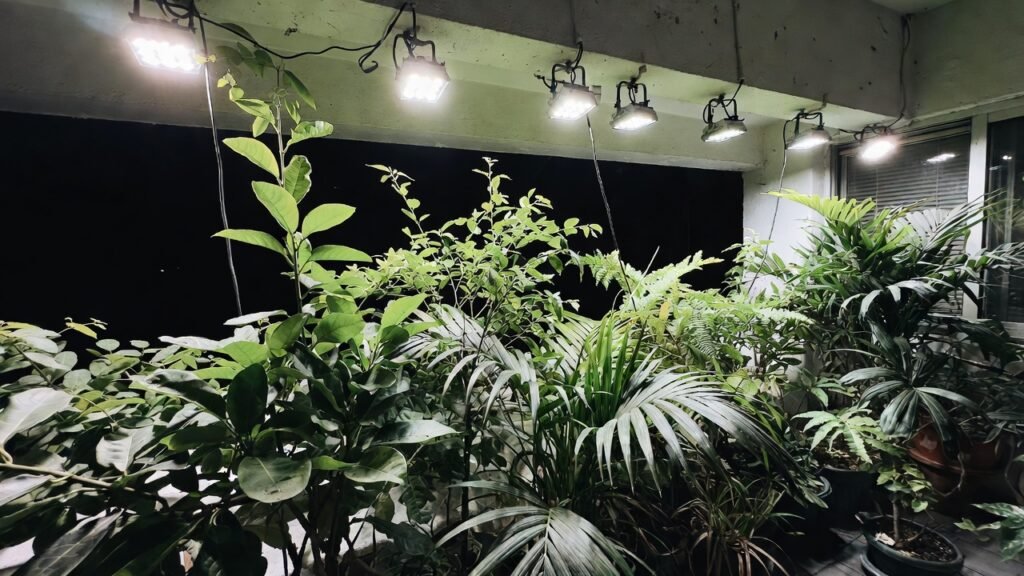
Position your grow lights 20–40 centimeters above the plants, adjusting for fixture strength and plant height. Proper placement ensures even coverage without overheating leaves. For tiered shelving, stagger lights so that upper plants do not cast shadows on lower pots. Reflective walls or small mirrors can further enhance light distribution in narrow spaces.
3. Set Timers for Consistent Daily Lighting
Use timers to maintain 12–16 hours of total light per day, combining natural sunlight and artificial sources. Splitting the schedule into morning and evening periods can extend effective daylight hours, especially during short winter days. Timers make it easier to manage lighting without daily manual adjustments, which is ideal for busy gardeners.
4. Monitor Plant Responses
Check leaves regularly for signs of stretching, discoloration, or curling. These symptoms indicate that adjustments to light distance, duration, or spectrum may be needed. Monitoring growth weekly helps prevent stress and ensures plants remain compact and healthy.
5. Rotate and Adjust Plants Periodically
Rotate pots periodically to prevent leaning toward a single light source. Fine-tuning positions and light settings ensures all plants receive even exposure, which is especially important for mixed container gardens. Combining careful scheduling, spectrum selection, and reflective strategies allows even small winter balconies to sustain consistent, thriving growth.
Conclusion
Balcony gardening in low-light and winter conditions is achievable with thoughtful lighting strategies. Combining natural sunlight with affordable LED grow lights allows both leafy greens and flowering plants to thrive in small spaces.
Understanding spectrum, duration, and placement ensures that plants remain healthy while energy consumption is minimized. With careful observation, proper timing, and a few reflective surfaces, urban gardeners can maintain a vibrant balcony garden year-round, even during the darkest months.
FAQ Section
1. How long should grow lights run each day in winter?
Most balcony plants require 12–16 hours of total light daily, including natural and artificial sources. Leafy plants may thrive on the lower end, while flowering species benefit from the full 16 hours. Using timers ensures consistency and reduces the risk of over- or under-lighting, which can stress plants.
2. Can I use standard household lamps instead of grow lights?
Household lamps emit insufficient photosynthetically active radiation for most plants. Standard incandescent or LED bulbs provide visible light but lack the specific red and blue wavelengths required for optimal growth. Using purpose-built grow lights ensures plants receive the energy they need for foliage and flowers.
3. How close should LED grow lights be to plants?
A general guideline is 20–40 centimeters above foliage, depending on light intensity. Too close may cause leaf burn, while too far can result in stretching or weak growth. Adjust placement as plants grow and monitor leaf response weekly.
4. Do reflective surfaces really improve lighting efficiency?
Yes. Mirrors, white walls, or reflective boards bounce light onto shaded areas, increasing coverage without additional fixtures. In narrow balconies, reflective surfaces can make a significant difference in ensuring even light distribution for all pots.
5. Should leafy and flowering plants be separated under grow lights?
Separating plants by light spectrum needs is ideal. Leafy greens prefer blue-heavy light, while flowering plants benefit from red wavelengths. Dual-spectrum lights can serve mixed setups, but grouping plants by growth type allows more precise control and maximizes productivity.
6. Are LED grow lights safe for indoor balconies?
LED grow lights are generally safe, producing minimal heat and low energy consumption. Proper mounting and spacing prevent fire risk, and timers ensure lights operate efficiently. Avoid placing lights directly on flammable surfaces.
7. Can I combine natural and artificial light effectively?
Absolutely. Position plants near available sunlight, supplementing with LED lights during early morning or late afternoon. Combining both light sources extends daily light hours while conserving energy and promoting consistent plant growth.
Helpful Resources
- Lighting for Indoor Plants and Starting Seeds – University of Minnesota Extension – Practical guidance on how light intensity, duration, and quality affect plant health and how to supplement natural light for indoor and balcony plants.
- Lighting for Indoor Plants – University of Maryland Extension – A comprehensive overview of factors like light intensity and duration, including tips on combining natural and artificial light.
- Growing Indoor Plants Under Supplemental Lights – Iowa State University Extension – A detailed guide to providing supplemental lighting for indoor plants, including setup considerations and light source options.