
Introduction to Balcony Garden Ideas for Full Sun
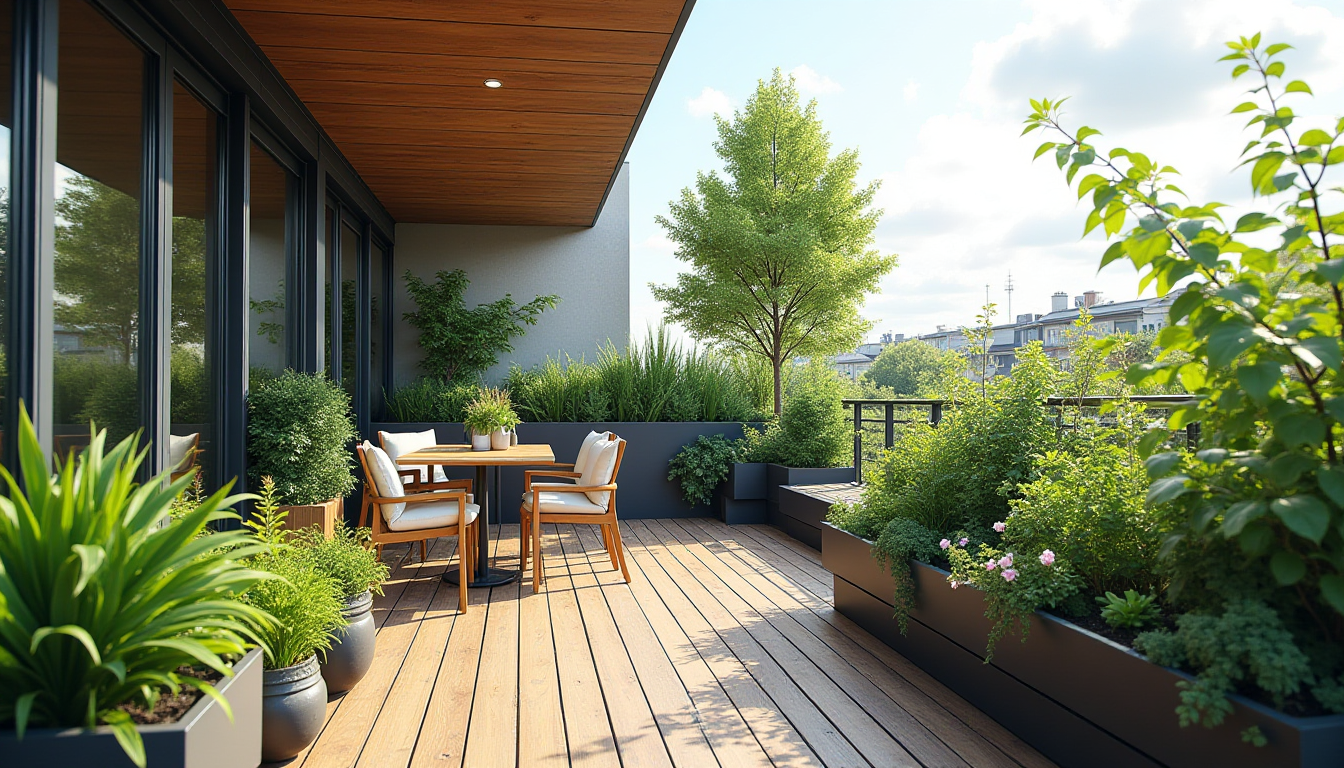
Balcony gardening in urban apartments can feel challenging when space is limited and sunlight varies throughout the day. Yet, with the right plant choices and layout, even the smallest balcony can become a vibrant green oasis.
Whether your balcony basks in all-day sun or remains shaded most of the time, there are clever strategies to grow healthy plants, save space, and enjoy fresh greens and flowers without leaving your apartment.
New to balcony gardening? Take it step by step, start with our beginner-friendly guide and watch your tiny space bloom with ease!
Table of Contents
Assessing Your Balcony Sunlight
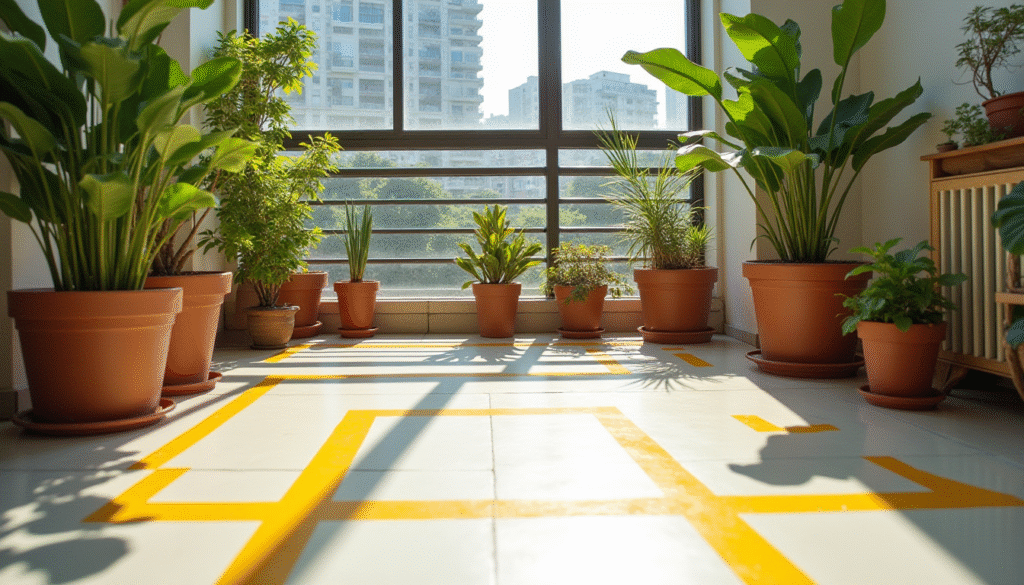
Before choosing plants, it’s crucial to understand how much sunlight your balcony receives. Most plants fall into full sun (6+ hours of direct sunlight), partial sun/shade (3–6 hours), or full shade (less than 3 hours).
- Observe your balcony at different times of day for a week. Note areas that get morning sun versus harsh afternoon sun.
- Consider reflections from nearby buildings or glass windows—they can increase light exposure.
- Use temporary markers or small potted plants to track sunlight intensity and duration.
This simple assessment will save you months of trial and error and prevent plants from wilting or becoming leggy.
Which Plants Grow Best in Full Sun on Balconies?
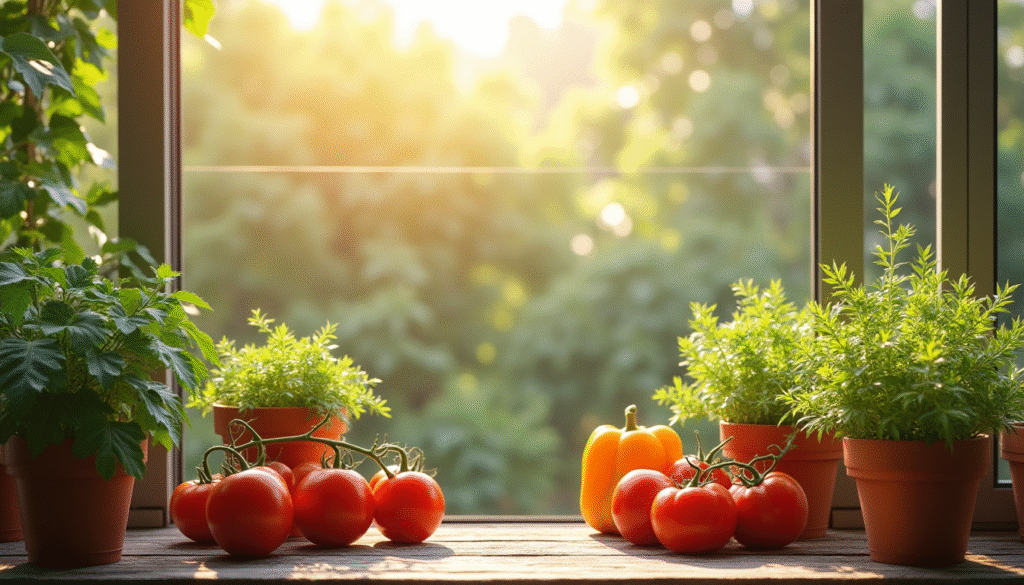
Balconies that receive at least six hours of direct sunlight daily can support a wide variety of vegetables, herbs, and flowering plants. Full sun encourages vigorous growth, stronger stems, and abundant flowering, but also requires careful watering and heat management.
Best Full-Sun Plants
Here’s a table comparing vegetables, herbs, and flowers ideal for sun-soaked balconies:
| Plant Type | Examples | Tips for Balcony Growth |
|---|---|---|
| Vegetables | Tomatoes, Peppers, Eggplants | Use deep pots (12–16 inches), stake for support, water daily in hot weather. |
| Herbs | Basil, Rosemary, Thyme, Oregano | Choose terracotta or ceramic pots to prevent root overheating, trim regularly to encourage bushy growth. |
| Flowers | Geraniums, Marigolds, Petunias | Deadhead spent flowers weekly; rotate pots to ensure even sun exposure. |
Practical Sun Tips:
- Water in the early morning or evening to reduce evaporation.
- Add mulch (straw or bark chips) to retain moisture.
- Use reflective surfaces like light-colored walls or mirrors to boost sunlight on darker corners.
[IMAGE: Split balcony showing sunny side with tomatoes and peppers in pots, photorealistic]
What Are the Best Plants for Shaded Balconies?
If your balcony is mostly shaded or only receives indirect light, you can still create a lush, green space. Shade-tolerant plants generally have larger, darker leaves to capture available light and often prefer cooler conditions.
Best Shade-Tolerant Plants
| Plant Type | Examples | Tips for Balcony Growth |
|---|---|---|
| Foliage | Ferns, Hostas, Caladium | Use well-draining soil, mist leaves to increase humidity, avoid direct sunlight burns. |
| Herbs | Mint, Parsley, Chives | Mint thrives in containers to prevent spreading; parsley prefers consistent moisture. |
| Flowers | Impatiens, Begonias, Fuchsias | Choose hanging baskets to save floor space and create layered greenery. |
Practical Shade Tips:
- Use lighter-colored pots to reflect light toward leaves.
- Rotate plants occasionally to balance growth.
- Incorporate mirrors or glass panels to amplify indirect light.
Small Balcony Layout Ideas for Mixed Sun/Shade Conditions
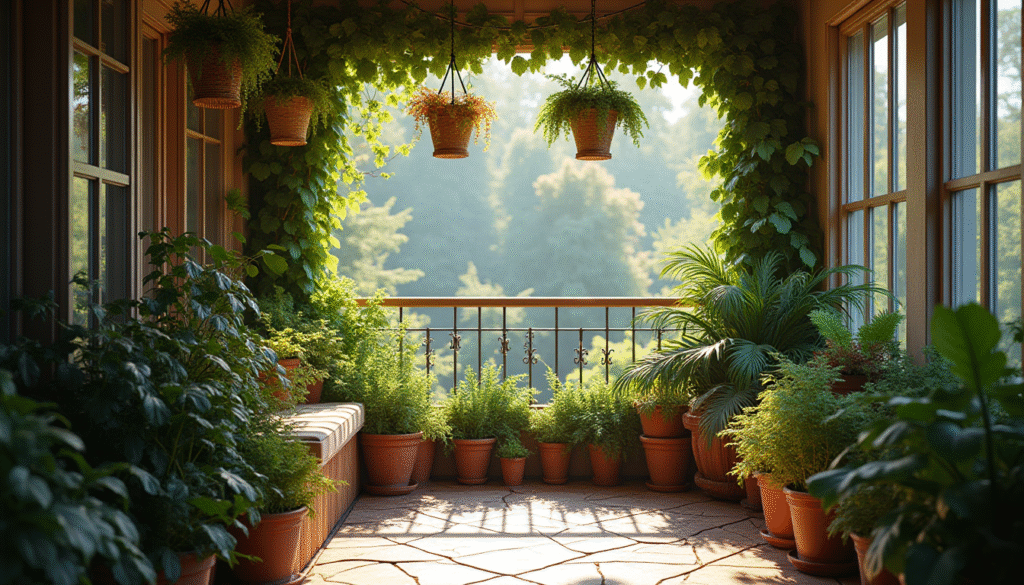
Many urban balconies are partially sunny, meaning one end receives bright sunlight while another remains shaded. Planning your layout by light zones ensures all plants thrive.
- Place sun-loving vegetables and flowers on the bright side, ideally near railings or corners with unobstructed sunlight.
- Position shade-loving plants closer to walls or under awnings.
- Consider tiered shelving to layer plants vertically, allowing sunlight to reach lower pots.
- Hanging baskets can house shade-tolerant flowers above sun-loving herbs on the floor.
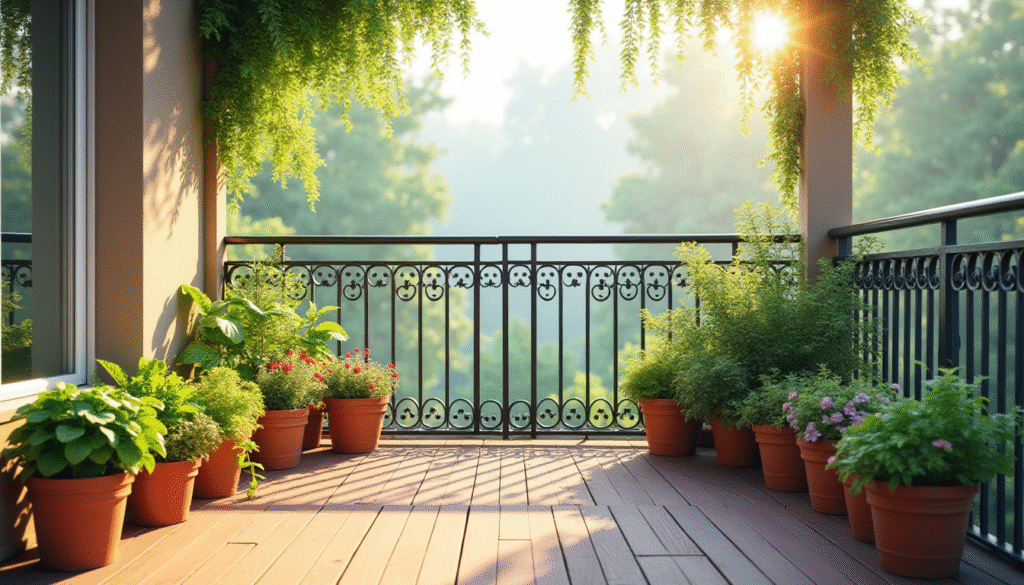
DIY Shading and Sun-Protection Tips for Renters
Even in full sun, urban balconies can overheat, stressing plants. Renters often cannot install permanent structures, but there are practical solutions:
- Fabric shades: Lightweight outdoor fabric or UV mesh attached to railings creates shade without drilling.
- Umbrellas or cantilever parasols: Portable and adjustable to move with the sun.
- Reflective barriers: Whiteboards or reflective panels placed behind sun-sensitive plants reduce leaf burn.
- Plant grouping: Cluster heat-sensitive plants together for mutual shade and humidity retention.
Extra Tip: Rotate potted plants weekly between sun and shade areas to prevent uneven growth and leaf scorching.
Creative Container Arrangements for Sunny and Shady Balconies
Even tiny balconies can host abundant greenery when you use creative containers. In sun-exposed areas, deep pots work best for vegetables like tomatoes and peppers, while troughs or window boxes allow herbs to thrive in clusters. For shaded corners, ceramic or glazed pots retain moisture and are ideal for ferns, hostas, and begonias.
Arrangement Tips:
- Group pots by water needs to make watering easier.
- Use tiered plant stands to mix sun and shade plants vertically.
- Combine tall and trailing plants in the same container to save space and create a layered look.
- Incorporate light-colored pots in shady areas to brighten the space.
Vertical Planting Ideas Adapted to Light Conditions
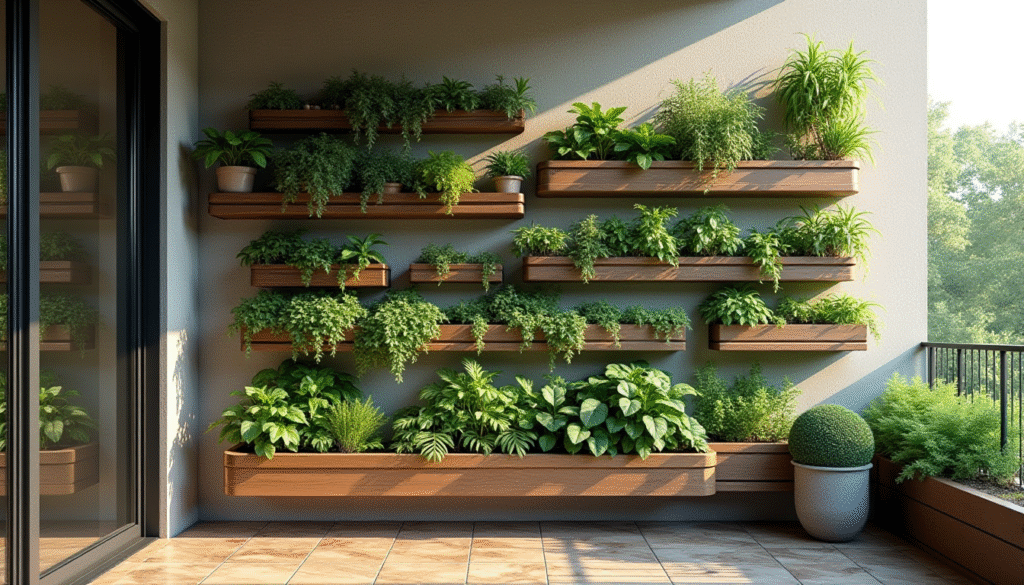
Vertical gardening maximizes space, especially on small balconies. You can create green walls, hanging planters, and tiered shelves adapted to both sun and shade:
- Sunny vertical options: Wall-mounted planters with cherry tomatoes, peppers, or trailing nasturtiums.
- Shady vertical options: Hanging baskets with ferns, ivy, or impatiens.
- DIY pallet walls: Attach pots to wooden pallets, leaning against walls in sunny or shaded corners.
- Rail-mounted planters: Perfect for herbs in sun or leafy greens in partial shade.
Vertical planting also improves airflow and prevents overcrowding, reducing disease risk for sun-loving and shade-tolerant plants alike.
Plant Combinations That Thrive Together
Companion planting on small balconies boosts growth and adds visual interest.
- Sunny combinations: Tomatoes with basil and marigolds. Marigolds deter pests, and basil enhances tomato flavor.
- Shady combinations: Ferns with caladiums and impatiens. The mix of textures and leaf colors brightens dim corners.
- Herb clusters: Parsley, chives, and mint grow well together if planted in separate containers to prevent overcrowding.
Grouping plants with similar light, water, and nutrient needs ensures a thriving mini-garden with minimal effort.
Seasonal Care Tips and Adjustments
Balcony gardens need slight tweaks as seasons change:
- Spring: Start seeds indoors or in small pots; rotate containers to balance early sun exposure.
- Summer: Increase watering, apply mulch, and provide temporary shade during heatwaves.
- Autumn: Harvest remaining vegetables, remove spent flowers, and cut back perennials.
- Winter: Move frost-sensitive plants indoors or use frost covers; reduce watering for dormant plants.
Adapting to seasonal changes keeps your balcony plants healthy year-round and prevents stress from temperature swings or shifting sunlight.
Common Beginner Mistakes and How to Avoid Them
Even experienced gardeners started somewhere. Common errors include:
- Overwatering or underwatering: Always check soil moisture before watering; use pots with drainage holes.
- Ignoring sunlight needs: Place plants in the correct light zone to prevent weak, leggy growth or leaf burn.
- Crowding containers: Give roots room to breathe; overcrowding increases disease risk.
- Neglecting seasonal care: Adjust watering, fertilizer, and protection for each season.
- Not rotating plants: Sun-loving plants grow unevenly if left in one position.
Avoiding these pitfalls builds confidence and ensures your balcony garden thrives without frustration.
Conclusion
Creating a small balcony garden, whether full sun or shaded, is entirely achievable with the right plant choices, containers, and care routines. By observing sunlight, using creative layouts, and grouping plants thoughtfully, even a compact urban balcony can become a flourishing, stress-relieving green space.
With patience, experimentation, and seasonal attention, your balcony garden can be a vibrant extension of your home, providing beauty, fresh herbs, and vegetables all year long.
FAQ
1. Can I grow vegetables on a shaded balcony?
Yes, certain vegetables like lettuce, spinach, and herbs such as parsley and mint grow well in partial shade. Focus on leafy greens rather than fruiting plants, and ensure they receive at least 3–4 hours of indirect light daily. Containers with reflective surfaces can also help maximize available light.
2. How often should I water sun-loving balcony plants?
Sun-loving plants typically need daily watering during hot months. Check soil moisture by inserting your finger about 2 inches deep; water if dry. Early morning or late evening watering reduces evaporation and helps plants withstand heat stress. Mulching also conserves moisture.
3. Can I mix sun and shade plants in the same container?
It’s best to group plants with similar light needs together. Mixing sun and shade plants in the same container can result in uneven growth, as sun-loving plants may burn and shade-tolerant plants may become leggy. Vertical arrangements allow separation while sharing space efficiently.
4. How do I prevent pests on a small balcony?
Regular inspection is key. Use companion planting (e.g., marigolds with tomatoes), remove yellowing leaves promptly, and consider natural remedies like neem oil sprays. Avoid overwatering, which encourages fungal growth and attracts pests.
5. What’s the easiest way to add shade to a balcony for sensitive plants?
Temporary solutions like UV mesh, outdoor fabric, or portable umbrellas work well. Positioning plants under railings or using light-colored reflective surfaces can also reduce direct sunlight. Adjust shade setups as the sun’s angle changes through the seasons.
6. Can I grow plants year-round on a balcony?
Yes, with the right plant selection and seasonal adjustments. Move frost-sensitive plants indoors in winter, rotate containers to maximize sunlight, and adjust watering and fertilization according to growth cycles. Some herbs and leafy greens thrive even in cooler months.
7. How do I choose containers for small balconies?
Select pots that fit your available space while accommodating root depth. Deep pots for vegetables, medium for herbs, and shallow wide pots for flowering plants work well. Ensure all containers have drainage holes to prevent waterlogging.
Helpful Resources
- USDA – Urban Gardening and Container Growing
- Royal Horticultural Society – Balcony and Container Gardening
- Cornell Cooperative Extension – Container Vegetable Gardening
- National Gardening Association – Sun and Shade Plant Lists
- Missouri Botanical Garden – Urban Gardening Tips