
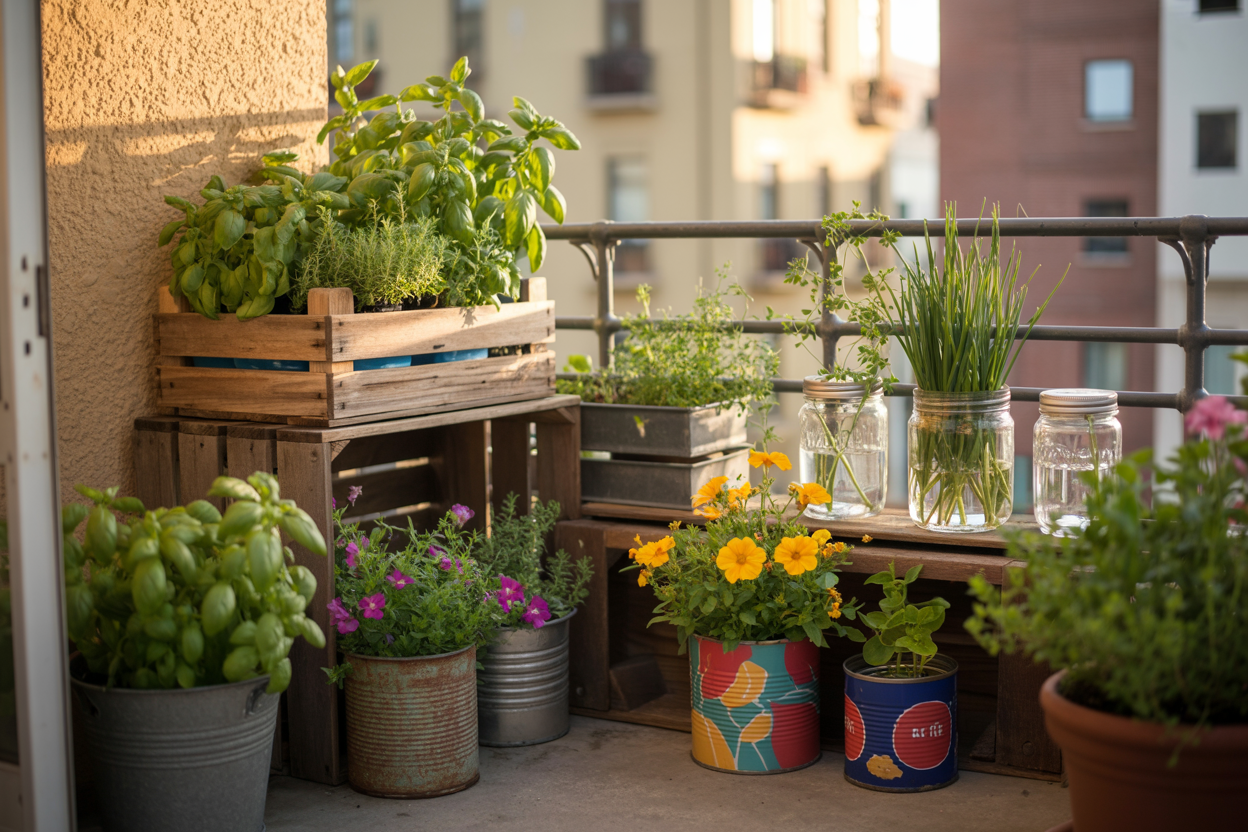
Introduction to Eco-Friendly Container Gardening
One of the biggest myths about gardening is that it requires expensive tools, fancy pots, and endless supplies from the store. The truth? Some of the most creative, sustainable, and cost-effective balcony gardens are built from things you already have at home.
Eco-friendly container gardening isn’t just about saving money — it’s about reducing waste, reusing what’s available, and finding new life for ordinary items. From repurposed buckets to stylish DIY planters made from recycled wood, sustainable gardening helps you grow fresh food while making a positive impact on the environment.
In this guide, we’ll explore how to turn everyday objects into functional planters, choose the best sustainable materials, and practice budget-friendly, earth-conscious balcony gardening. By the end, you’ll see that going green — both in color and lifestyle — is easier than you think.
Related: The Complete Beginner’s Guide to Balcony Gardening (Start Growing in 7 Days)
— start here if you’re new to container gardening.
Why Eco-Friendly Containers Matter
Balcony gardening lives and dies by containers. Unlike traditional in-ground gardens, your pots are the entire world for your plants — the soil, the structure, the protection, and the microclimate. That’s why the choice of container goes beyond looks or price. It directly affects your plants’ growth, your wallet, and the environment.
Many store-bought planters are made from thin plastic. At first, they look attractive and affordable, but after one or two seasons in direct sunlight, they become brittle, crack, and end up in the trash. Over time, this cycle is wasteful, expensive, and harmful to the planet. By switching to eco-friendly containers, you’re not only making a smart choice for your plants but also building a balcony garden that aligns with sustainable living.
Benefits of Eco-Friendly Containers
Save Money by Reusing Household Items
Old buckets, wooden crates, and fabric bags can be turned into reliable planters with minimal effort. Instead of buying new pots each season, you repurpose what you already own, cutting costs dramatically.
Reduce Plastic Waste
Every time a plastic pot cracks, it adds to landfill waste. Eco-friendly options like terracotta, bamboo, or recycled resin are durable and kinder to the environment.
Give Your Garden Unique Character
A balcony filled with identical store-bought pots looks uniform but lacks personality. Reused and repurposed containers tell a story — maybe a wine crate from a special dinner now grows lettuce, or an old teapot holds basil on your balcony railing.
Support Plant Health Naturally
Sustainable materials like terracotta and fabric bags allow roots to breathe better than plastic. They regulate moisture, prevent overheating, and reduce the risk of root rot. Plants not only survive but thrive in the right container.
The Bigger Picture: Eco-Friendly Gardening
Eco-friendly container gardening isn’t just about being frugal or creative — it’s about adopting a mindset of stewardship. Every container you rescue, recycle, or repurpose is one less item wasted and one more step toward reducing your environmental footprint.
For urban gardeners especially, sustainable choices ripple outward. Small habits — like using fabric grow bags instead of disposable plastics — help build a culture of mindful consumption. And the bonus? These containers often outperform standard ones, giving your plants healthier conditions to grow in.
Everyday Items You Can Repurpose into Planters
One of the joys of eco-friendly balcony gardening is how it invites creativity. Instead of buying expensive pots, you can give ordinary items a second life as functional, sustainable planters. Repurposing containers not only saves money but also reduces waste and gives your balcony garden a one-of-a-kind look. The best part? Many of these DIY planters perform just as well — or better — than store-bought ones.
Here are some of the most versatile household items you can transform into thriving balcony containers.
Buckets and Tins
Why they work:
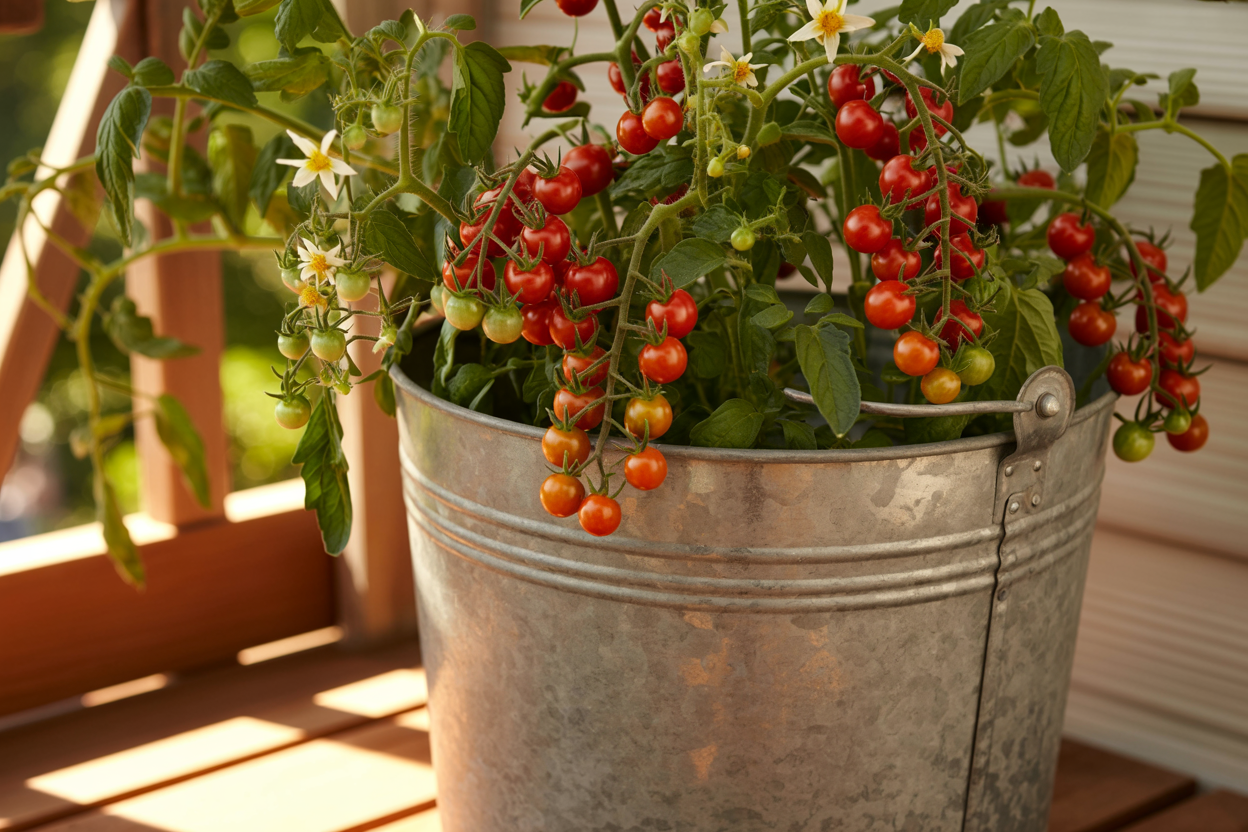
Old paint buckets, large food tins, or even food-grade plastic containers make excellent planters once they’re properly prepared. They’re sturdy, often already the right size, and can be drilled easily for drainage holes.
Best for: Tomatoes, peppers, eggplants, and herbs.
How to repurpose them:
- Drill 4–6 small holes at the bottom for drainage.
- Add a thin layer of gravel or broken terracotta at the base to prevent clogging.
- Paint or decorate the exterior with non-toxic paint to give your balcony a splash of character.
Pro tip:
Choose light-colored buckets to prevent overheating in summer. Black or dark-colored containers can bake plant roots when exposed to direct sun.
Wooden Crates and Boxes
Why they work:
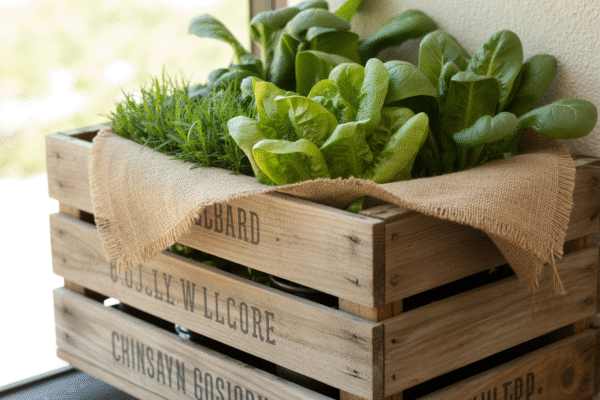
Wooden crates, wine boxes, or small shipping pallets can be lined and used as rustic, breathable planters. Wood is naturally porous, meaning roots can breathe better compared to plastic containers.
Best for: Leafy greens (lettuce, spinach, kale), shallow-root herbs (parsley, cilantro), and colorful flowers like marigolds.
How to repurpose them:
- Line crates with burlap, jute sacks, or a biodegradable liner to keep soil in place while allowing excess water to drain.
- Raise crates slightly off the ground using bricks or wooden slats to prevent rot.
- For added style, stencil plant names on the side for a farmhouse-garden look.
Pro tip: If you’re using untreated scrap wood, apply a natural sealant (like linseed oil) to extend its lifespan without harming plants.
Glass Jars and Bottles
Why they work:
Glass jars and bottles are often tossed into recycling bins, but with a little creativity, they become charming mini-planters. They’re especially great for herbs, succulents, or as starter containers for cuttings.
Best for: Basil, mint, parsley (on windowsills), succulents, or decorative indoor-outdoor plants.
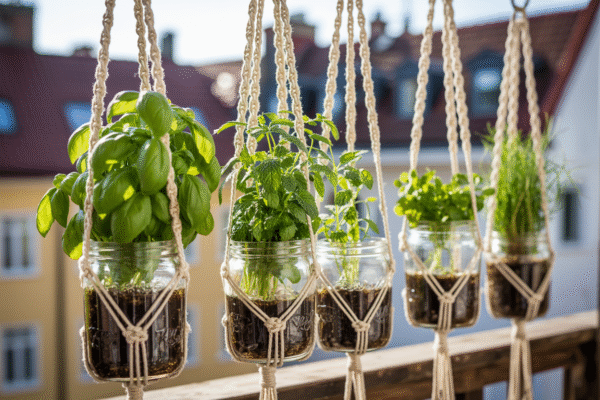
How to repurpose them:
- Use mason jars or recycled glass bottles for herbs and small plants.
- For hanging planters, attach jars to macrame hangers or metal hooks on balcony railings.
- Create a hydroponic-style setup by growing herbs in water-filled jars with clay pebbles or stones.
Pro tip:
Because glass lacks drainage, add a layer of small pebbles or activated charcoal at the bottom to prevent root rot.
Fabric Grow Bags
Why they work:
Fabric grow bags are a modern, eco-conscious alternative to traditional containers. They’re usually made from recycled fabrics, are foldable for easy storage, and offer superior aeration — roots breathe better, which leads to stronger plants.
Best for: Larger vegetables like potatoes, peppers, bush beans, and dwarf tomatoes.
How to use them:
- Fill with a lightweight potting mix (avoid heavy garden soil).
- Place on saucers or trays to catch excess water.
- Reuse season after season by cleaning and drying after each harvest.
Pro tip:
Group fabric bags together to create a “raised bed” effect on your balcony floor. This makes watering easier and maximizes yield in a compact space.
Why Repurposed Planters Are the Future
Repurposing everyday items isn’t just a trend — it’s a sustainable gardening solution that helps reduce landfill waste, saves money, and gives your balcony a personal, creative touch. From rustic wooden crates to stylish glass jars, these DIY containers prove that you don’t need expensive pots to grow a lush, productive balcony garden.
Choosing Sustainable Container Materials
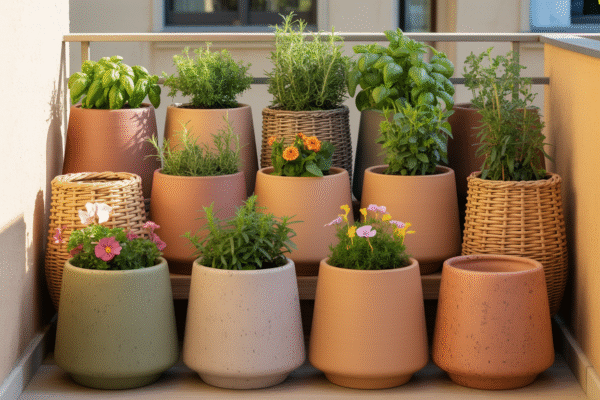
Sometimes repurposing household items isn’t enough. Maybe you want a cohesive look for your balcony, or perhaps you’re ready to invest in containers that will last for years. When buying new planters, it pays to think about both durability and sustainability.
Not all containers are created equal — some materials breathe better, some conserve moisture, and others are built to withstand years of outdoor exposure. By choosing wisely, you’ll reduce waste, save money long-term, and provide your plants with a healthier growing environment.
Here are the most eco-friendly materials to consider for your balcony garden.
Terracotta and Clay
Why they’re great:
Terracotta (unglazed clay) has been used for centuries because it’s naturally breathable. The porous surface allows excess moisture to evaporate, preventing root rot and creating healthier root systems. Clay pots also help regulate soil temperature, keeping roots cooler in hot summers.
Best for: Herbs (basil, oregano, thyme), ornamentals, and vegetables that don’t like “wet feet,” such as rosemary or succulents.
Pros:
- Natural and biodegradable.
- Affordable and widely available.
- Rustic aesthetic that suits balconies of all styles.
Cons:
- Can dry out faster, so frequent watering is needed.
- Fragile and prone to cracking in cold winters.
Resin from Recycled Plastics
Why they’re great:
Resin planters made from post-consumer recycled plastics are lightweight yet durable, often designed to mimic stone, wood, or ceramic. These pots withstand harsh weather and resist cracking, making them ideal for balconies exposed to sun and wind.
Best for: Larger vegetables (tomatoes, peppers, eggplants) or balconies that require lightweight containers for safety.
Pros:
- Made from recycled waste, reducing environmental impact.
- Lightweight and easy to move, even when full.
- Long-lasting and less prone to breakage.
Cons:
- Not breathable like clay or fabric.
- Quality varies depending on the manufacturer.
Bamboo and Wood
Why they’re great:
Natural materials like bamboo and untreated wood are stylish, biodegradable, and renewable. Bamboo in particular grows rapidly, making it one of the most sustainable materials available. Wooden planters also provide excellent insulation, keeping soil temperatures stable.
Best for: Leafy greens, herbs, and decorative flowers.
Pros:
- 100% natural and biodegradable.
- Rustic, modern look fits both small and large balconies.
- Bamboo planters are surprisingly durable when treated properly.
Cons:
- Untreated wood may rot over time.
- May require liners or sealants to extend lifespan.
Pro tip:
Line wooden boxes with burlap or coconut coir liners to keep soil contained and extend planter life.
Metal with Liners
Why they’re great:
Galvanized steel buckets, old tin cans, or metal troughs can be surprisingly durable containers when used correctly. They add an industrial-chic aesthetic to balconies and, with liners, can last for many years.
Best for: Hardy plants like kale, peppers, chives, and decorative flowers.
Pros:
- Long-lasting and often repurposed.
- Adds a modern, rustic style to balcony spaces.
- Can handle heavy, deep-rooted plants.
Cons:
- Metal heats up quickly in direct sun, risking root burn.
- Without liners, rust and corrosion can shorten lifespan.
Pro tip:
Always use coconut coir, burlap, or plastic liners inside metal containers to protect roots and extend container life.
Making the Right Choice for Your Balcony
The best container material depends on your climate, your plants, and your style:
- For hot, dry balconies → Resin or fabric grow bags (retain moisture).
- For cool, damp climates → Terracotta and clay (prevent soggy soil).
- For eco-style and sustainability → Bamboo or untreated wood.
- For durability and size → Metal with liners.
Whatever you choose, prioritize long-lasting, eco-conscious options over cheap disposable plastics. The upfront investment pays off in healthier plants, less waste, and a balcony garden that reflects your values.
DIY Container Ideas for Balcony Gardeners
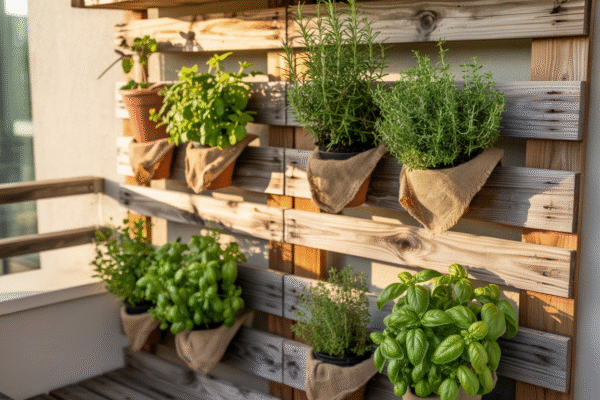
Sustainable gardening isn’t only about choosing eco-friendly materials — it’s about creativity and resourcefulness. Instead of buying new pots, you can design your own unique containers that save money, reduce waste, and give your balcony garden a personal touch.
DIY planters not only keep materials out of landfills, but they also add character. Every container tells a story, whether it’s a repurposed piece of furniture or a clever stack of cinder blocks. Here are some innovative, balcony-friendly DIY planter ideas you can try today.
Pallet Planters
Why they work:
Old wooden pallets are everywhere — from hardware stores to shipping warehouses. With a little sanding and lining, you can turn one into a rustic, vertical planter that maximizes small balcony space.
How to do it:
- Stand the pallet upright against your balcony wall or railing.
- Line the inside with landscape fabric or burlap to hold soil in place.
- Fill the openings with potting mix and plant herbs, leafy greens, or small flowers.
- Water gently, allowing soil to settle into each pocket.
Best for: Herbs (parsley, thyme, oregano), strawberries, or compact lettuce varieties.
Eco tip: Use untreated pallets only — treated wood may contain harmful chemicals.
Cinder Blocks
Why they work:
Cinder blocks may look industrial, but they’re surprisingly versatile for balcony gardens. Their hollow cores act like built-in pots, and you can stack them to create modular, sturdy planter walls.
How to do it:
- Arrange blocks in a row or stack them to form a tiered planter.
- Fill the hollow spaces with soil and your choice of plants.
- Place blocks near the balcony edge for stability — they’re heavy when filled.
Best for: Succulents, drought-tolerant herbs, or decorative flowers.
Eco tip: Seal porous cinder blocks with a natural, non-toxic sealant if planting vegetables, to prevent lime leaching into soil.
Upcycled Furniture
Why it works:
Instead of throwing away old furniture, transform it into a statement planter. An old wooden chair, dresser drawer, or cabinet can hold multiple plants and double as balcony décor.
How to do it:
- Chairs: Remove the seat and replace it with a planter bowl or grow bag. Perfect for trailing flowers or cascading herbs.
- Drawers: Line with burlap or plastic sheeting, fill with soil, and use as rustic container boxes stacked at different heights.
- Cabinets: Convert into a multi-layered garden by removing doors and placing planters on shelves.
Best for: Ornamental flowers, mixed herb gardens, or shallow-root vegetables like lettuce and radishes.
Eco tip: Always drill drainage holes and line furniture with protective material to prevent rot.
Other Creative DIY Options
If you’re feeling adventurous, here are more small but impactful DIY planter hacks for balcony gardeners:
- Old Shoes or Boots: Fun and quirky planters for herbs or succulents.
- Colanders: Excellent drainage makes them ideal for strawberries or small greens.
- Tin Cans: Painted cans brighten up a balcony railing when used as mini herb pots.
- Baskets: Woven baskets lined with coconut coir create lightweight, breathable containers.
Why DIY Containers Work Best for Small Spaces
DIY container ideas allow you to:
- Maximize limited balcony space by going vertical or modular.
- Reduce waste and save money.
- Add personality and charm to your garden — no two DIY planters look the same.
- Adapt containers to plant needs, whether it’s shallow-rooted herbs or trailing flowers.
DIY planters turn balcony gardening into more than just growing food or flowers — they transform it into an art form that blends sustainability, style, and practicality.
Related: Balcony Garden Layout Ideas for Small Apartments
— see how to fit creative planters into tight spaces.
Soil and Fertilizer: Go Organic, Stay Sustainable
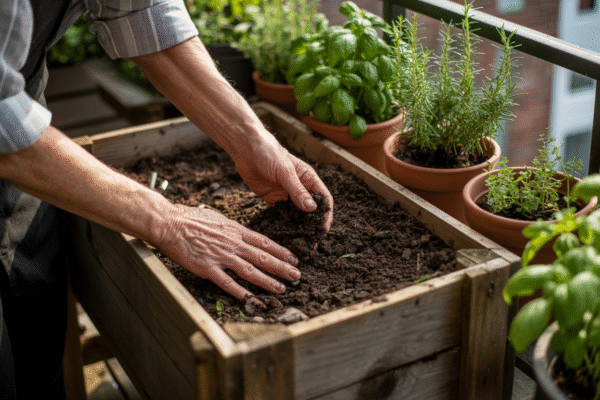
The success of your balcony garden depends less on the size of your containers and more on what you put inside them. Soil is the foundation of plant health, and fertilizers act like fuel. If you choose poorly — such as using compacted garden soil or synthetic fertilizers — your plants will struggle, and your balcony garden won’t live up to its potential.
But there’s good news: going organic not only helps your plants thrive, it also reduces environmental impact and creates a healthier growing cycle for you and your family.
Let’s break it down.
Why Avoid Synthetic Fertilizers?
Many store-bought fertilizers rely on synthetic chemicals like nitrogen, phosphorus, and potassium salts. While they give plants a quick boost, they also:
- Leach into soil and water systems, polluting waterways.
- Disrupt soil biology by killing beneficial microbes.
- Cause a “boom and bust” cycle where plants grow fast, then weaken without constant feeding.
- Leave behind chemical residues in edible crops.
For balcony gardeners — where runoff often drips onto streets or neighboring balconies — synthetic fertilizers can be particularly harmful.
Go Organic with Homemade Compost
Compost is often called “black gold” for a reason. It recycles kitchen scraps into nutrient-rich humus that feeds plants naturally.
What to compost at home:
- Vegetable peelings
- Coffee grounds and tea leaves
- Eggshells
- Shredded paper or cardboard
- Garden trimmings
Tip:
- Avoid meat, dairy, and oily foods in balcony compost bins to prevent odors and pests.
For small spaces, consider a worm bin (vermicomposting) — worms convert scraps into high-quality castings, perfect for balcony containers.
Organic Fertilizers for Containers
If compost alone isn’t enough, supplement with natural fertilizers that release nutrients slowly and support soil life:
- Seaweed Extract: Packed with micronutrients and growth hormones that boost plant vigor.
- Worm Castings: Rich in nitrogen, phosphorus, and potassium, while improving soil texture.
- Fish Emulsion: A liquid fertilizer ideal for leafy greens — but dilute well to avoid strong odors.
- Bone Meal or Blood Meal: Great for root development and overall plant strength.
These organic options keep your garden thriving without harming the environment.
Refreshing Soil Seasonally
One of the biggest mistakes new balcony gardeners make is reusing the same soil year after year. Container soil gets depleted quickly because plants draw nutrients faster in limited space.
Here’s how to refresh it sustainably:
- At the end of each season, remove old roots and debris.
- Mix in 30–40% fresh compost or organic matter (like leaf mold).
- Add a handful of worm castings or slow-release organic fertilizer spikes.
- Top with mulch (like shredded bark or coconut husk) to retain moisture.
This process ensures your containers stay fertile, airy, and ready for the next planting cycle — no need to throw away soil.
Why Organic Soil + Fertilizer Matters for Balcony Gardeners
- Healthier plants: Stronger root systems, vibrant growth, and better resistance to pests.
- Eco-friendly living: Cuts down on chemical pollution and supports biodiversity.
- Cost savings: Homemade compost and slow-release fertilizers reduce store-bought inputs.
- Safe harvests: Organic soil means chemical-free herbs, vegetables, and flowers right outside your door.
When you choose organic soil and fertilizers, you’re not just feeding plants — you’re building a sustainable ecosystem on your balcony.
Pro Tips for Zero-Waste Balcony Gardening
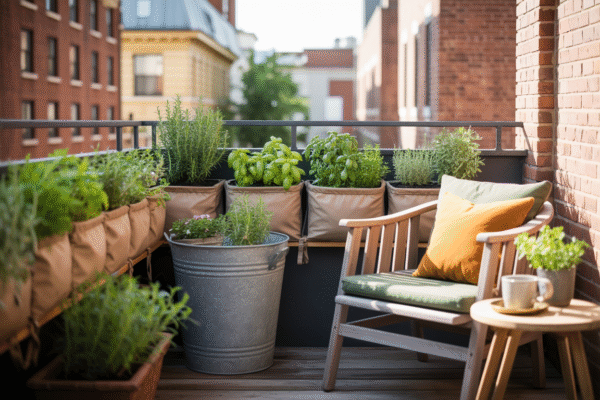
A balcony garden is more than just a green space — it can also be a model of sustainable, low-waste living. By adopting zero-waste practices, you not only save money but also cut down on environmental impact. These tips will help you transform your balcony into an eco-friendly oasis where nothing goes to waste.
Collect Rainwater for Natural Irrigation
Why waste tap water when nature provides the best source for free? Rainwater is soft, chemical-free, and perfect for container plants. Unlike treated water, it doesn’t contain chlorine or salts that can build up in soil.
How to collect it on a balcony:
- Place buckets, watering cans, or large tubs outside during rainfall.
- Use a small rain barrel with a diverter attached to your balcony’s downspout (if accessible).
- Cover collected water with a mesh to prevent mosquitoes.
Pro Tip:
Even a few liters of rainwater can go a long way on a small balcony garden, especially for herbs and leafy greens.
Swap Cuttings and Seeds with Neighbors
Instead of buying new plants every season, start a community exchange. Cuttings from succulents, mint, or pothos grow easily in water and make great swaps. Seeds from homegrown tomatoes, peppers, or herbs can be dried and shared.
Benefits of swapping:
- Saves money on buying seedlings.
- Builds connections with neighbors who share your passion.
- Encourages biodiversity in your balcony garden.
Pro Tip:
Try organizing a monthly “plant swap day” in your building or neighborhood. You’ll expand your collection without spending a dime.
Rotate and Reuse Containers Season After Season
Containers don’t need to be thrown out after one season. With care, you can reuse pots and planters for years.
Steps to extend container life:
- Clean pots thoroughly at the end of each season to prevent disease buildup.
- Rotate which plants go into each container — this mimics crop rotation and prevents soil exhaustion.
- Repair cracked terracotta or plastic containers with natural sealants or liners instead of discarding.
This practice keeps waste out of landfills and reduces the need for constant new purchases.
Get Creative with Eco-Friendly Decorations
Zero-waste gardening also means decorating sustainably. Instead of buying synthetic garden décor, add personality with reused or natural materials.
Ideas to try:
- Repurpose old fabric scraps into pot wraps or hanging decorations.
- Use natural dyes (like turmeric, beetroot, or coffee) to refresh faded planters.
- Paint old containers with eco-friendly paints for a unique, colorful look.
- Make plant markers from popsicle sticks, broken tiles, or wine corks.
Not only does this reduce waste, but it also gives your garden a handmade charm.
Why Zero-Waste Gardening Matters
Adopting zero-waste practices isn’t just trendy — it’s a powerful way to:
- Lower costs by reducing reliance on store-bought supplies.
- Protect the planet by minimizing plastic and chemical waste.
- Encourage creativity through reusing, repurposing, and recycling.
- Build community when you share plants, seeds, and knowledge.
A zero-waste balcony garden is proof that sustainability and beauty can go hand in hand. Every step you take — from saving rainwater to decorating with repurposed materials — creates a garden that’s good for you and the environment.
Related: Water-Saving Tips for Balcony Gardeners (Drip Irrigation, Mulching & More)
Helpful Resources
RHS: Sustainable Gardening Guide
University of Illinois Extension: Container Gardening Basics
The Spruce: DIY Planter Ideas from Recycled Materials
Frequently Asked Questions (FAQ)
Can I grow vegetables in recycled containers safely?
Yes, but avoid containers that held toxic substances. Stick to food-grade plastics, untreated wood, or natural materials.
How do I make sure repurposed containers drain well?
Drill or punch holes at the bottom and add a layer of gravel or broken terracotta for improved drainage.
Are fabric grow bags eco-friendly?
Yes — they’re often made from recycled materials, last multiple seasons, and allow great airflow for roots.
What’s the best soil mix for eco-friendly balcony gardening?
A blend of compost, coco coir, and perlite works well. It’s sustainable, lightweight, and reusable with seasonal refreshing.
How can I decorate recycled planters?
Use natural, non-toxic paints, jute ropes, or fabric scraps to give planters a fresh, eco-friendly look.