
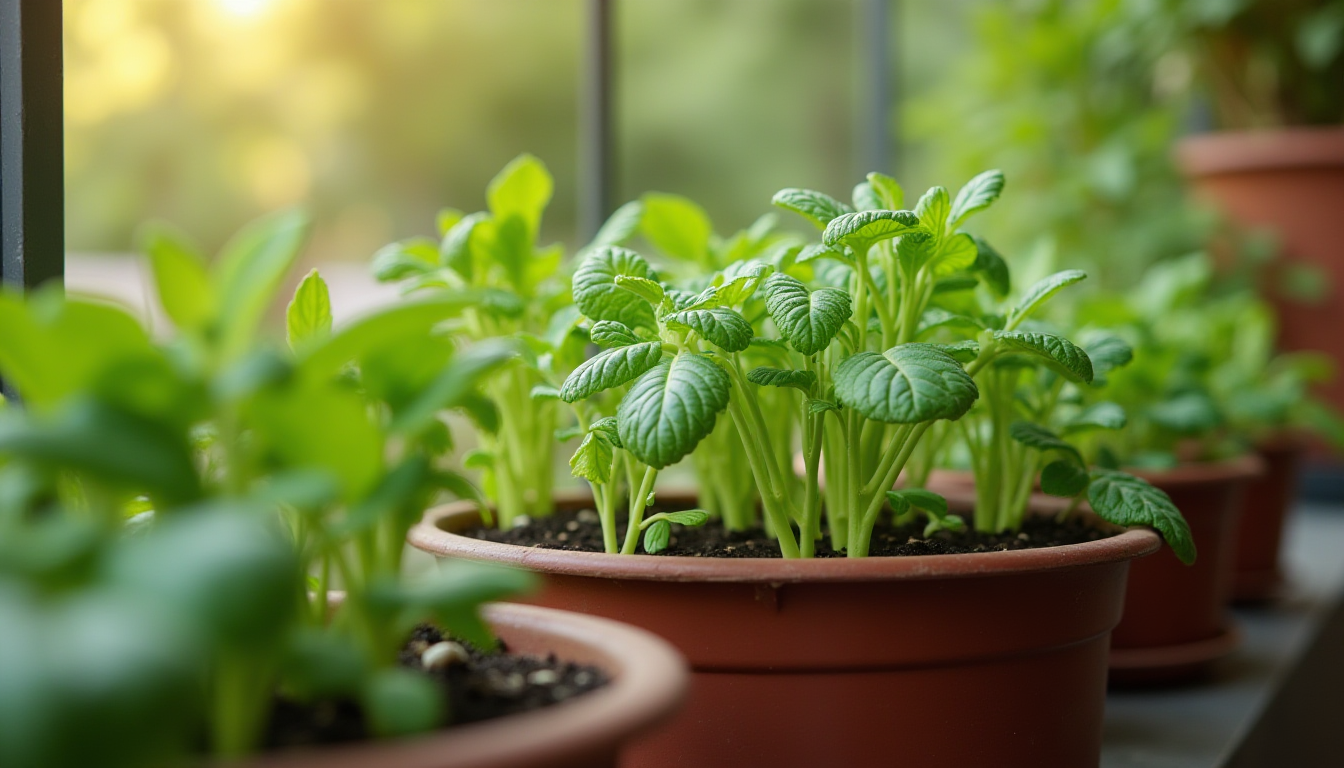
Introduction on How to Grow Vegetables in Small Balcony Pots
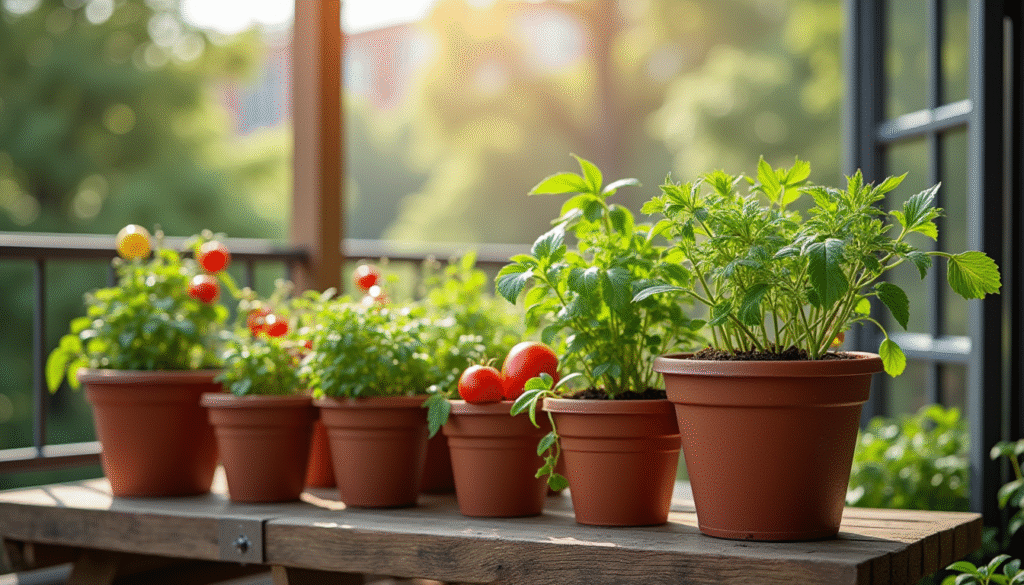
Balcony gardening is a fantastic way to bring fresh, homegrown vegetables into your life—even if you live in a tiny apartment or urban area. Growing vegetables in pots on a balcony is not just possible; it can be highly rewarding with the right techniques. From vibrant cherry tomatoes to crisp lettuce, a small balcony garden can become a lush, edible oasis.
Whether you’re a complete beginner or just looking to maximize your limited space, this guide walks you through balcony vegetable gardening for beginners with step-by-step instructions, practical tips, and visuals to help you start your very own mini garden.
Table of Contents
Why Balcony Vegetable Gardening Is Perfect for Beginners
Growing vegetables in balcony pots offers several advantages:
- Space Efficiency: Perfect for apartments, condos, or homes without a yard.
- Accessibility: Pots are easier to manage, water, and move.
- Control Over Soil & Water: You can create optimal conditions for each plant type.
- Fresh Produce at Your Doorstep: Enjoy organic, homegrown vegetables anytime.
Even if you’ve never planted anything before, balcony vegetable gardening for beginners can be simple and fun. All you need is some basic equipment, a little sunlight, and consistent care.
What Vegetables Can I Grow in Pots on a Balcony?
One of the most common questions beginners ask is: “What vegetables can I grow in pots on a balcony?” The answer is: almost any vegetable can thrive in containers with the right care.
However, some are easier for beginners and small spaces:
| Vegetable | Pot Size (min) | Sun Requirement | Water Needs | Notes |
|---|---|---|---|---|
| Cherry Tomatoes | 12–16 inches | 6–8 hours | Regular, moist | Use cages for support |
| Lettuce | 8–10 inches | 4–6 hours | Keep soil moist | Succession planting every 2–3 weeks |
| Spinach | 8–10 inches | 4–6 hours | Moderate | Prefers cooler weather |
| Bell Peppers | 12 inches | 6+ hours | Moderate | Pinch off lower leaves for airflow |
| Radishes | 6–8 inches | 4–6 hours | Keep soil moist | Fast-growing, harvest in 3–4 weeks |
| Carrots | 10–12 inches | 6 hours | Moderate | Use deep containers for proper root growth |
| Herbs (Basil, Mint, Parsley) | 6–8 inches | 4–6 hours | Moderate | Excellent for companion planting |
If you want to get the full list of vegetables you can grown in small containers, we have a curated list here.
Pro Tip: Always choose compact or dwarf varieties when gardening in small balcony pots—they produce more yield in limited space.
Step 1: Planning Your Balcony Vegetable Garden
Before you buy pots or soil, planning is essential. Consider these factors:
Assess Your Space and Sunlight
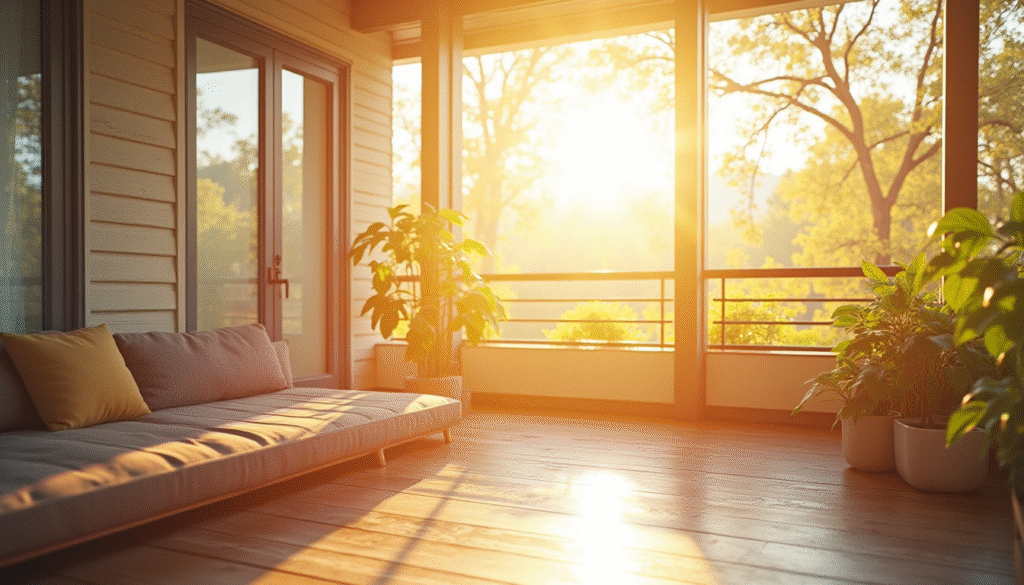
- Measure the balcony space to determine how many pots can fit comfortably.
- Observe the sun exposure throughout the day:
- Full sun: 6+ hours → tomatoes, peppers, cucumbers.
- Partial sun: 4–6 hours → lettuce, spinach, herbs.
- Ensure the balcony has good airflow but is protected from strong winds.
Choose the Right Containers
For small-space gardening, the right pots make all the difference. Consider:
- Size: Bigger pots = bigger harvest; deep pots for root vegetables.
- Material: Terracotta, plastic, or fabric grow bags are popular.
- Drainage: Ensure every pot has holes to prevent waterlogging.
Checklist for Pot Selection:
- Minimum 6 inches deep for small herbs
- Minimum 12 inches deep for tomatoes/peppers
- Proper drainage holes
- Lightweight if balcony railing is narrow
Pro Tip: Group smaller pots together to create a “micro-garden,” which makes watering and care more efficient.
Step 2: Choosing the Right Soil and Fertilizer
Soil quality directly affects vegetable growth in pots. For balcony vegetable gardening for beginners:
- Use potting mix, not garden soil: Potting mix retains water, drains well, and is free of pests.
- Add organic compost: Boosts nutrients naturally.
- Consider slow-release fertilizers: Supports plants for 6–8 weeks.
Soil Mix Recipe for Balcony Pots:
- 40% potting soil
- 30% compost
- 20% coco peat or peat moss
- 10% perlite or sand (for drainage)
Pro Tip: Mix in a small handful of vermicompost for every pot; it’s nutrient-rich and supports healthy root development.
Step 3: Planting Your Vegetables
Starting your balcony vegetable garden can be done from seeds or seedlings. Here’s a beginner-friendly approach:
Planting from Seeds
- Fill the pot with prepared soil mix.
- Check the seed packet for spacing and depth.
- Sow seeds lightly, cover with soil, and water gently.
- Keep the soil consistently moist until seedlings emerge.
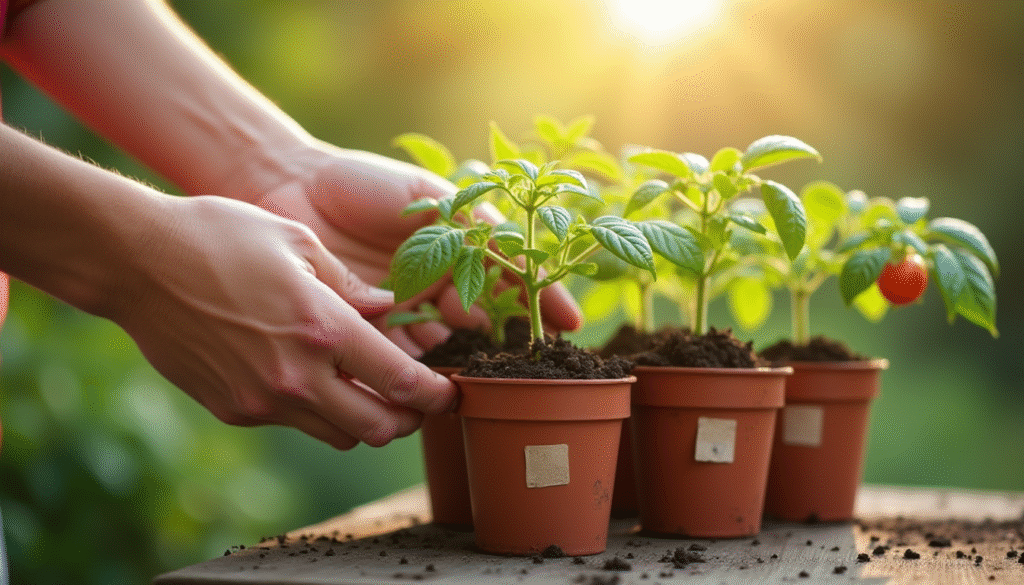
Planting from Seedlings
- Dig a small hole in the soil large enough for the root ball.
- Place the seedling in the hole and cover with soil.
- Water immediately to settle the roots.
Step 4: Spacing and Companion Planting
Even in pots, proper spacing is key to healthy growth. Crowding plants can reduce airflow and increase disease risk.
Recommended Pot Spacing Table:
| Vegetable | Pot Spacing | Companion Plants |
|---|---|---|
| Tomato | 12–16 in | Basil, parsley |
| Lettuce | 6–8 in | Radish, carrots |
| Bell Pepper | 12 in | Onion, spinach |
| Spinach | 6 in | Lettuce, radish |
Pro Tip: Companion planting improves flavor, deters pests, and maximizes your limited balcony space.
At this point, your balcony vegetable garden is ready for watering, sunlight, and care. In the second half of this guide, we’ll cover watering schedules, pest management, ongoing maintenance, harvesting, and pro tips to maximize yield—all tailored for vegetables to grow in balcony gardens.
Step 5: Watering Your Balcony Vegetable Garden
Watering is critical for balcony vegetable gardening for beginners. Plants in pots dry out faster than in-ground gardens, so consistency is key.
How to Water
- Check soil moisture: Stick your finger 1–2 inches into the soil. If dry, water.
- Water deeply: Ensure water reaches the root zone.
- Avoid overwatering: Pots with poor drainage can cause root rot.
Watering Schedule Table (Approximation for Beginners):
| Vegetable | Watering Frequency | Notes |
|---|---|---|
| Tomatoes | 2–3 times/week | More in hot weather; water at base |
| Lettuce | Daily or every other day | Keep soil moist but not soggy |
| Bell Peppers | 2 times/week | Deep watering encourages roots |
| Spinach | Every other day | Prefers consistent moisture |
| Herbs | 2–3 times/week | Reduce watering for drought-tolerant herbs |
However, it is worth nothing that water management may be one of your greatest challenge. That is why we provided tips on how gardeners can save water using drip irrigation, mulching, and other methods.
Pro Tip: Early morning watering reduces evaporation and fungal growth.
Step 6: Fertilizing Your Balcony Vegetables
Container plants rely heavily on nutrients in the soil. Use these fertilizing tips:
- Balanced liquid fertilizer: Feed every 2–3 weeks.
- Slow-release granules: Mix into soil at planting for continuous nutrition.
- Organic options: Fish emulsion, compost tea, or worm castings support healthy growth.
Pro Tip: Avoid over-fertilizing leafy vegetables like lettuce, which can produce excess leaves but less flavor.
Step 7: Seasonal Considerations
Balcony gardening is influenced by seasonal changes. Here’s how to plan:
| Season | Vegetables to Grow | Tips |
|---|---|---|
| Spring | Tomatoes, lettuce, radish | Start seedlings indoors for early growth |
| Summer | Peppers, cucumbers, herbs | Provide shade in extreme heat; increase watering |
| Fall | Spinach, kale, carrots | Choose cooler-weather varieties |
| Winter | Herbs, leafy greens | Use pots indoors near sunny windows or under grow lights |
Pro Tip: Rotate your crops each season to prevent soil nutrient depletion.
Step 8: Troubleshooting Common Problems
Even small balcony gardens can face pests or diseases. Here’s how to handle common issues:
| Problem | Solution |
|---|---|
| Yellowing leaves | Check watering; ensure sufficient nutrients |
| Aphids or small insects | Spray with mild soap solution or neem oil |
| Powdery mildew | Improve air circulation; avoid overhead watering |
| Wilting or stunted growth | Adjust sunlight, check soil moisture |
Pro Tip: Companion planting (e.g., basil with tomatoes) can naturally repel pests.
Step 9: Harvesting Your Balcony Vegetables
Knowing when and how to harvest encourages continuous production:
- Tomatoes: Pick when fully colored but firm.
- Lettuce & Spinach: Harvest outer leaves regularly to allow regrowth.
- Radishes & Carrots: Pull when they reach the desired size.
- Herbs: Pinch leaves often to encourage bushy growth.
Pro Tip: Regular harvesting prevents plants from flowering too early, which can reduce vegetable yield.
Additional Pro Tips for Balcony Garden Success
- Use vertical space: Trellises or hanging pots increase growing area.
- Rotate pots: Move plants to follow sunlight during the day.
- Label your plants: Helps track varieties, watering, and fertilizing needs.
- Mulch pots: Retains moisture and reduces weed growth.
- Keep a garden journal: Note watering schedules, pest problems, and harvests.
Conclusion
Growing vegetables in small balcony pots is an enjoyable and productive hobby—even for beginners. With proper planning, the right pots and soil, consistent watering, and careful maintenance, your balcony can become a lush, thriving garden. Start small, experiment with easy crops, and enjoy the satisfaction of harvesting fresh, homegrown vegetables right outside your door.
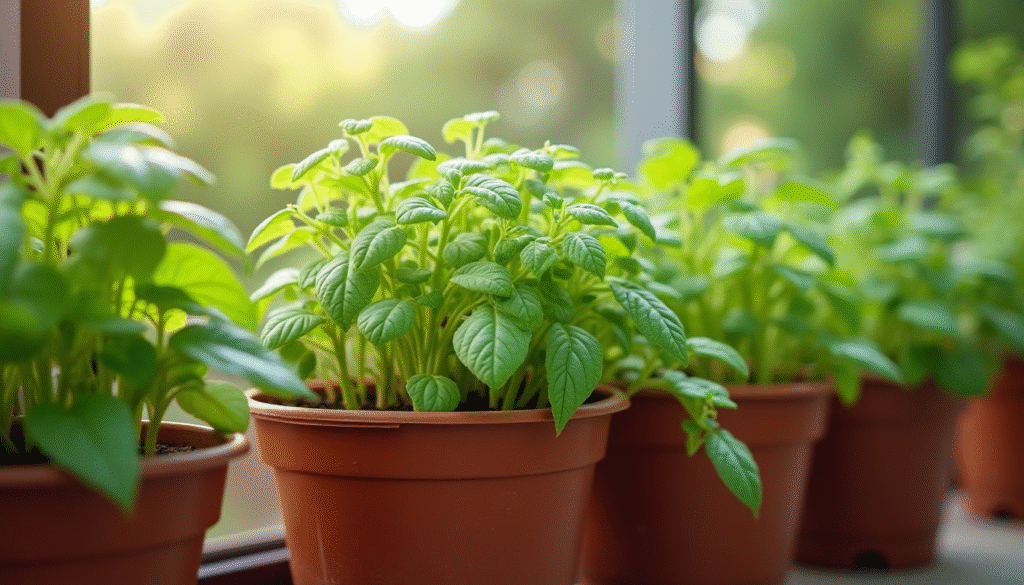
Balcony vegetable gardening is not just about food—it’s a way to connect with nature, reduce stress, and make the most of limited space.
So grab some pots, soil, and seeds, and start growing today!
FAQs About Balcony Vegetable Gardening
1. Can I grow vegetables in small pots all year round?
Yes, you can grow vegetables year-round, but you may need to choose seasonal varieties and bring pots indoors or use grow lights during extreme weather.
2. What is the easiest vegetable to grow on a balcony?
Leafy greens like lettuce and spinach, and herbs like basil, are ideal for beginners because they grow quickly and require minimal space.
3. How often should I water balcony vegetables?
Watering depends on plant type and weather, but generally 2–3 times per week for most vegetables, more during hot periods. Check soil moisture before watering.
4. How do I prevent pests in balcony pots?
Use companion plants, neem oil, mild soap sprays, and ensure proper air circulation. Avoid overcrowding pots to reduce disease risk.
5. Can I grow root vegetables in pots?
Yes! Carrots, radishes, and small potatoes do well in deep containers with loose, well-draining soil.
6. What size pots should I use for different vegetables?
Herbs: 6–8 inches deep; Leafy greens: 8–10 inches; Tomatoes/Peppers: 12–16 inches for optimal growth.
7. Do balcony vegetables need fertilizer?
Yes, container plants rely on added nutrients. Use liquid, slow-release, or organic fertilizers for healthy growth and higher yields.