
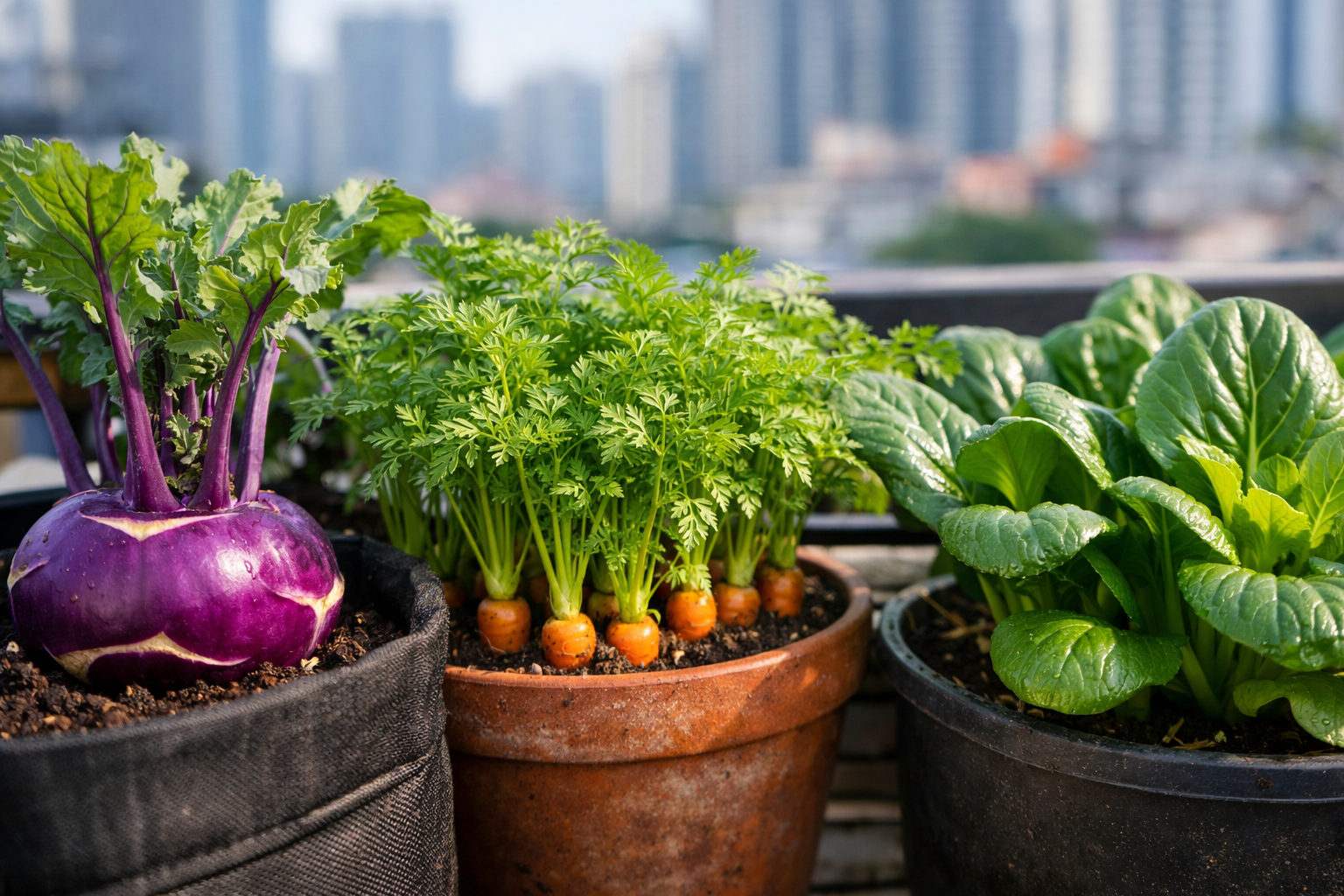
Unusual Vegetables for Your Balcony Garden
Balcony gardening has quietly evolved. What used to be a space for tomatoes and peppers has become a testing ground for rare flavors, cultural vegetables, and compact crops that never make it to supermarket shelves. For those of us who’ve spent years working remotely, noticing how small daily rituals affect focus and wellbeing, growing something uncommon right outside the workspace has a special appeal. It’s part curiosity, part self-reliance, and part joy.
Rare balcony vegetables aren’t about showing off. They’re about reconnecting with food in a modern, small-space reality where access, freshness, and diversity matter. Many of these crops are better suited to containers than mass-market varieties, yet they remain overlooked simply because they don’t ship well or don’t fit industrial farming models.
That’s exactly why they thrive on balconies.
Table of Contents
Unique Vegetables Suited for Small Containers
Not every unusual vegetable belongs in the ground. Some are naturally compact, slow-growing, or shallow-rooted, making them ideal for containers and small-space vegetable gardening. With the right pot size and care, these crops often outperform common vegetables in flavor and resilience.
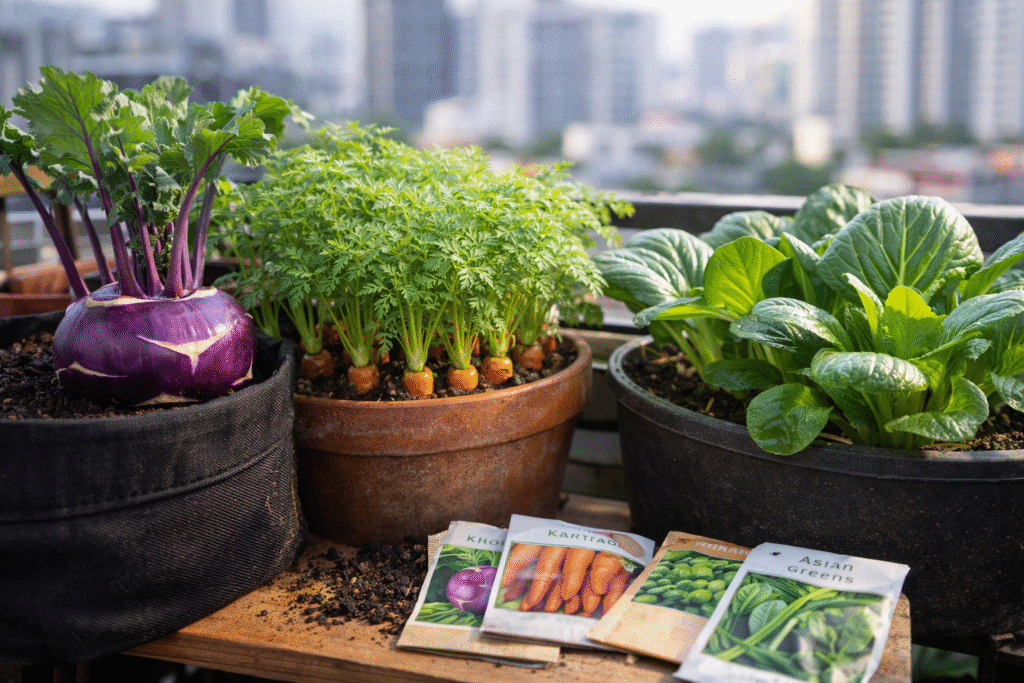
Dwarf and Heritage Carrots
Carrots are often dismissed as impractical for balconies, but dwarf and heritage varieties tell a different story. These carrots were bred for shallow soils long before raised beds became trendy.
Dwarf carrot varieties like Paris Market, Oxheart, and Short ‘n Sweet develop round or stubby roots that mature well in containers as shallow as 20–25 cm. From experience, these carrots handle inconsistent watering better than long-rooted types, which matters when workdays get busy.
Container tips that consistently work:
- Use loose, sandy potting mix with added compost for steady nutrition.
- Avoid nitrogen-heavy feeds; they encourage foliage at the expense of roots.
- Harvest slightly early for sweeter flavor and crisper texture.
These carrots are rarely sold fresh because their shapes don’t suit uniform packaging, but their taste is often superior.
Kohlrabi (Especially Purple and Mini Varieties)
Kohlrabi sits in an odd space between cabbage and turnip, which explains why it’s uncommon in markets despite being easy to grow. Mini and purple kohlrabi varieties are particularly well-suited to containers.
Kohlrabi forms its edible bulb above soil level, reducing root depth requirements. A 25–30 cm pot per plant is usually enough, making it a solid choice for narrow balconies.
Key container considerations:
- Consistent moisture prevents woody texture.
- Partial sun works well, especially in hot urban settings.
- Harvest when bulbs are tennis-ball sized for tenderness.
Purple kohlrabi varieties also double as ornamental plants, blending well with herbs and flowers in mixed containers.
Asian Greens That Thrive in Pots
Asian greens are among the most underrated unique container crops. Many were developed for dense urban environments long before modern apartment living.
Varieties like mizuna, tatsoi, komatsuna, and Chinese broccoli grow quickly, tolerate shallow containers, and handle temperature swings better than lettuce. They’re also forgiving if harvesting happens gradually rather than all at once.
Practical growing insights:
- Wide containers work better than deep ones.
- Regular trimming encourages regrowth instead of bolting.
- These greens tolerate partial shade, ideal for balconies with limited sun.
Because Asian greens wilt quickly after harvest, they’re rarely sold fresh outside specialty stores, which makes growing them at home especially rewarding.
Rare Beans and Compact Legumes
Not all beans need sprawling trellises. Some heirloom and Asian bean varieties stay compact and productive in pots.
Yardlong bean bush types, pigeon peas bred for containers, and rare cowpea varieties adapt well to balconies. They also improve soil health by fixing nitrogen, reducing the need for frequent fertilizing.
What makes them work in containers:
- Moderate feeding instead of heavy fertilization.
- Support stakes rather than large trellises.
- Warm conditions, which balconies naturally provide.
These legumes are often unavailable commercially due to short shelf life, not poor productivity.
Uncommon Leafy Roots and Stems
Several vegetables grown for stems or leaves rather than roots fit balcony life perfectly. Crosnes (Chinese artichokes), malabar spinach, and perennial arugula fall into this category.
These plants offer:
- Extended harvest periods
- Unique textures not found in store-bought greens
- Strong tolerance to container constraints
They’re rarely mass-produced because their appeal is niche, but that’s exactly what makes them valuable in a small-space garden.
Sourcing Seeds and Seedlings Responsibly
Finding rare balcony vegetables requires a different mindset than buying standard seed packets. Responsible sourcing ensures plant health, biodiversity protection, and long-term success.
Understanding Why These Crops Are Hard to Find
Many unusual vegetables aren’t commercially viable, not because they’re difficult to grow, but because they don’t meet industrial standards. Irregular shapes, short shelf life, and unfamiliar names limit their presence in mainstream stores.
Balcony gardeners benefit from these traits rather than suffer from them. Containers allow close monitoring, small harvests, and immediate use, which removes the barriers that supermarkets face.
Reliable Places to Find Rare Seeds
Responsible sourcing starts with knowing where seeds originate. Reputable suppliers often focus on preservation rather than profit.
Trusted sources usually include:
- Seed-saving organizations and cooperatives
- University-affiliated agricultural programs
- Small-scale heritage seed producers
Seed packets from these sources often include detailed growing notes that reflect real conditions, not idealized farm setups.
Seedlings vs. Seeds for Balcony Setups
While seeds offer variety, seedlings sometimes make sense for busy schedules. For remote workers balancing calls and deadlines, starting with seedlings can reduce early-stage failures.
Seedlings are especially useful for:
- Slow-germinating Asian greens
- Kohlrabi and stem crops
- Perennial or long-season vegetables
When buying seedlings, checking for compact root systems and pest-free leaves matters more than plant size.
Ethical Considerations in Seed Selection
Responsible gardening includes respecting plant heritage and local ecosystems. Avoid seeds harvested from protected wild populations or mislabeled as “exotic” without documentation.
Choosing open-pollinated varieties helps preserve diversity and allows seed saving in future seasons, which aligns well with sustainable, mindful growing practices.
As unusual vegetables settle into balcony containers, the focus naturally shifts from establishment to enjoyment. Harvest timing, flavor development, and thoughtful crop combinations make the difference between plants that merely survive and crops that genuinely elevate everyday meals. In small-space vegetable gardening, these details matter more because every pot earns its place.
Harvest and Flavor Tips for Unusual Crops
Harvesting rare balcony vegetables isn’t just about size. Flavor, texture, and aroma often peak earlier than supermarket norms, especially for compact or heritage varieties. Paying attention to subtle signals improves both yield and eating quality.
Timing Harvests for Maximum Flavor
Many unusual vegetables reward early harvesting. Dwarf carrots are sweeter before reaching full size, and kohlrabi stays tender when picked young. Asian greens often develop bitterness if allowed to overmature, especially in warm balcony conditions.
Helpful harvest cues include:
- Leaf color deepening without yellowing
- Stems snapping cleanly rather than bending
- Roots feeling firm but not woody when gently pressed
Harvesting in the morning, when plants are hydrated, consistently improves taste and shelf life.
Encouraging Better Taste in Containers
Flavor in container crops is strongly influenced by water and nutrient balance. Overwatering can dilute taste, while inconsistent moisture causes stress-related bitterness.
Practical flavor-enhancing habits:
- Allow the top layer of soil to dry slightly between waterings
- Use compost-based feeds rather than fast-release fertilizers
- Rotate pots occasionally to ensure even sun exposure
These small adjustments often make balcony-grown vegetables taste noticeably richer than store-bought equivalents.
Continuous Harvesting vs. Single Pulls
Many rare vegetables thrive under a “cut-and-come-again” approach. Asian greens, stem crops, and leafy roots respond well to partial harvesting, extending productivity over weeks.
This method suits modern remote work rhythms, allowing quick harvests during breaks without overwhelming the kitchen with excess produce.
Common Mistakes and Solutions in Small-Space Growing
Many balcony gardeners lose healthy crops without realizing why, often repeating the same container gardening mistakes that quietly kill balcony plants until they’re corrected early.
Even experienced gardeners encounter challenges when growing unique container crops. Most problems stem from assumptions carried over from ground gardening or commercial vegetable advice.
Overcrowding Containers
Rare vegetables are often compact, but they still need airflow. Overcrowding increases pest pressure and reduces flavor intensity.
A simple rule that works:
- Fewer plants per pot, harvested more often, outperform crowded containers every time.
Spacing may feel inefficient at first, but yields and plant health improve noticeably.
Using the Wrong Pot Depth
Some balcony gardeners overestimate root depth needs. Dwarf carrots and Asian greens prefer wide, shallow containers rather than deep, narrow ones.
Matching container shape to crop type:
- Roots and bulbs: medium depth, loose soil
- Leafy greens: wide surface area
- Stem crops: stable pots to prevent tipping
Correct container choice reduces stress and simplifies watering routines.
If container sizing and soil depth feel confusing at first, this beginner-friendly guide shows how to grow vegetables in small balcony pots without overthinking the setup.
Ignoring Microclimates
Balconies create unique microclimates shaped by walls, railings, and reflective surfaces. Heat buildup can be intense, especially in urban settings.
Common solutions include:
- Light-colored pots to reduce heat absorption
- Temporary shade cloth during peak heat
- Grouping pots to stabilize temperature and humidity
Observing how sunlight moves across the balcony throughout the day often solves issues before they escalate.
How to Mix Rare Vegetables With Standard Crops
Unusual vegetables don’t need isolated containers. Mixing them with familiar crops improves space efficiency and visual balance while supporting plant health.
While rare crops add variety, pairing them with the best small vegetables to grow on your balcony year-round helps maintain steady harvests across seasons.
Companion Pairings That Work Well
Certain combinations thrive together due to similar water and light needs. For example, kohlrabi pairs well with lettuce or spinach, while dwarf carrots grow comfortably beneath taller herbs.
Effective pairing principles:
- Match growth speed and harvest timelines
- Combine shallow-rooted plants with deeper-rooted ones
- Avoid pairing heavy feeders with light feeders in the same pot
These combinations reduce competition and make better use of limited soil volume.
Visual and Practical Benefits of Mixed Containers
Mixed containers aren’t just functional. Purple kohlrabi, red-stemmed Asian greens, and unusual leaf shapes add visual interest that standard crops alone can’t provide.
From a practical standpoint, mixed planting:
- Reduces pest concentration
- Improves airflow when planned well
- Makes daily care more intuitive
Balcony gardens become more inviting spaces, blending productivity with aesthetics.
Seasonal Rotation in Small Spaces
Rotating crops across seasons matters even in containers. Replacing harvested Asian greens with dwarf carrots or legumes helps maintain soil balance and reduces disease buildup.
Simple rotation habits:
- Change plant families between seasons
- Refresh soil with compost rather than complete replacement
- Observe which crops perform best in each seasonal light pattern
These practices support long-term success with rare balcony vegetables.
For those just starting out, combining rare crops with easy vegetables to grow in balcony containers builds confidence while reducing the risk of early frustration.
Conclusion
Unusual vegetables bring depth, flavor, and curiosity to balcony gardens in ways common crops often don’t. With thoughtful harvesting, realistic container choices, and mindful mixing, small spaces can produce foods rarely found in stores.
These crops fit naturally into modern urban and remote lifestyles, offering steady rewards without demanding constant attention. A balcony may be small, but its potential for variety and nourishment is anything but limited.
Frequently Asked Questions
Do unusual vegetables attract more pests on balconies?
Unusual vegetables don’t inherently attract more pests. In fact, diversity often reduces pest pressure by preventing large infestations. Problems usually arise from overcrowding or stagnant air. Proper spacing, regular observation, and healthy soil go a long way in keeping balcony-grown rare crops pest-resistant.
How often should rare container crops be harvested?
Harvest frequency depends on the crop type. Leafy and stem vegetables benefit from frequent, light harvesting, while roots and bulbs are usually harvested once. Regular harvesting encourages regrowth, improves flavor, and prevents bolting, especially in warm balcony environments.
Can rare vegetables be grown year-round on a balcony?
Many rare vegetables are suitable for year-round growing if seasonal adjustments are made. Cool-season Asian greens thrive in mild winters, while heat-tolerant legumes perform well in summer. Using portable containers allows crops to be repositioned as light and temperature change.
Are unusual vegetables more nutritious than common ones?
Some unusual vegetables offer higher concentrations of certain micronutrients, especially heritage and leafy varieties. However, freshness plays a bigger role than rarity. Balcony-grown vegetables harvested at peak maturity often retain more nutrients than store-bought produce, regardless of variety.
How much time do rare balcony vegetables require weekly?
Most rare balcony vegetables require minimal weekly time once established. Watering, quick checks for pests, and occasional harvesting typically take less than 30 minutes per week. Their compact growth habits make them well-suited to busy schedules.
Is it expensive to start growing rare vegetables?
Initial seed costs may be slightly higher, but ongoing expenses are often lower. Rare vegetables tend to be productive in small spaces, reducing the need for frequent replacements. Saving seeds from open-pollinated varieties further lowers long-term costs.
Helpful Resources
- Royal Botanic Gardens, Kew – Foods of the future and plant diversity research:
https://www.kew.org/about-us/press-media/future-foods - USDA – Container gardening advice and vegetable selection:
https://www.usda.gov/about-usda/general-information/initiatives-and-highlighted-programs/peoples-garden/gardening-advice/container-gardening - UC Agriculture and Natural Resources – Urban agriculture and container vegetable guidance:
https://ucanr.edu/topics/agriculture/urban-agriculture