
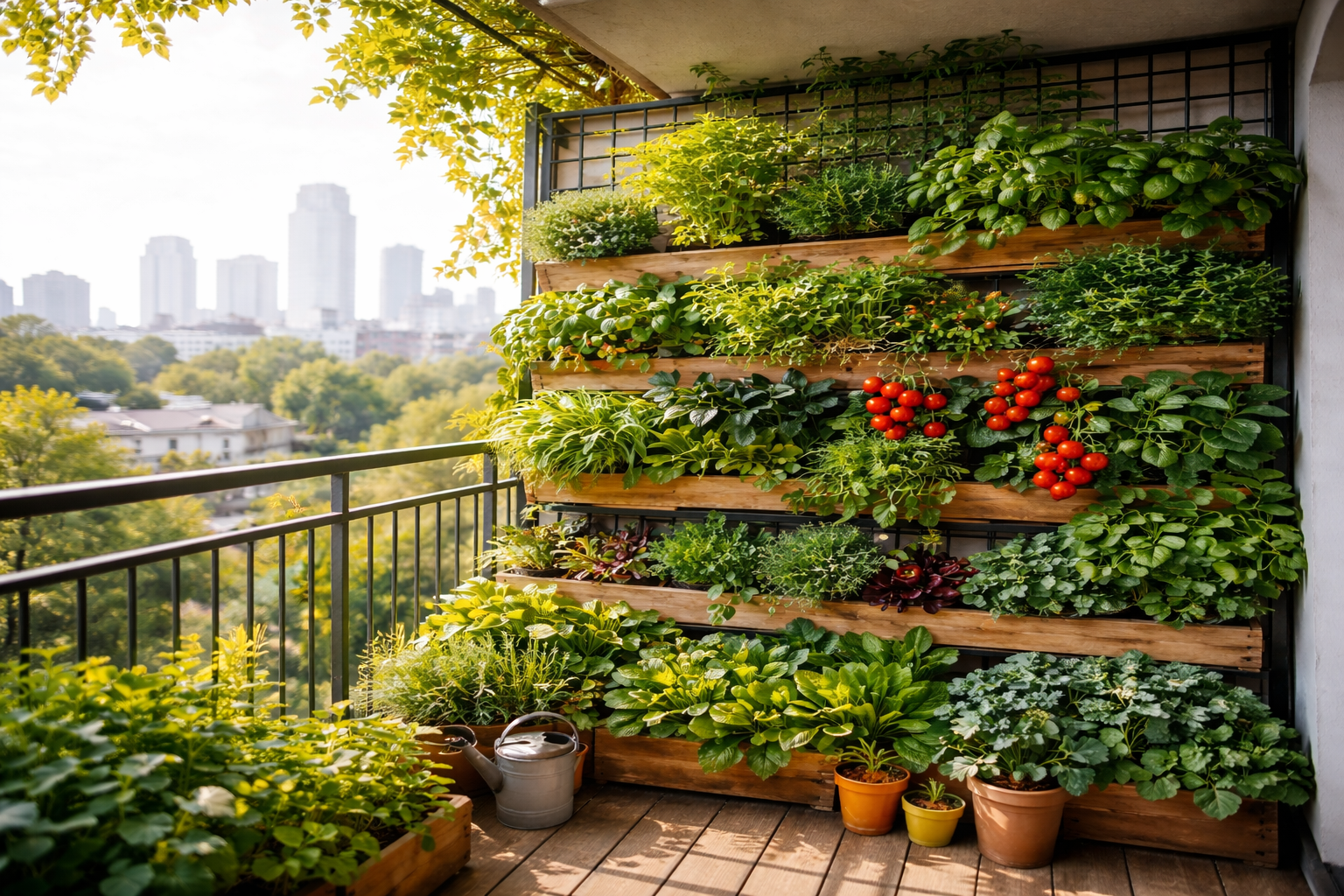
Living in an apartment often comes with the challenge of limited outdoor space, but vertical gardening can completely transform even the tiniest balcony. By growing plants upward instead of outward, you can maximize your green area without crowding your outdoor living space.
Vertical gardening not only saves room but also creates a visually appealing and functional environment for fresh vegetables, herbs, and small fruits. In urban settings, where sunlight and space are often constrained, this method allows you to cultivate a thriving balcony garden in ways that traditional horizontal beds cannot.
If you’re new to balcony gardening and aren’t sure where to start, check out our Beginner’s Guide to Balcony Gardening. It covers essential tips on choosing containers, soil types, and easy starter plants, so you’ll be ready to tackle vertical gardening with confidence.
Table of Contents
How Can Vertical Gardening Save Space on My Balcony?
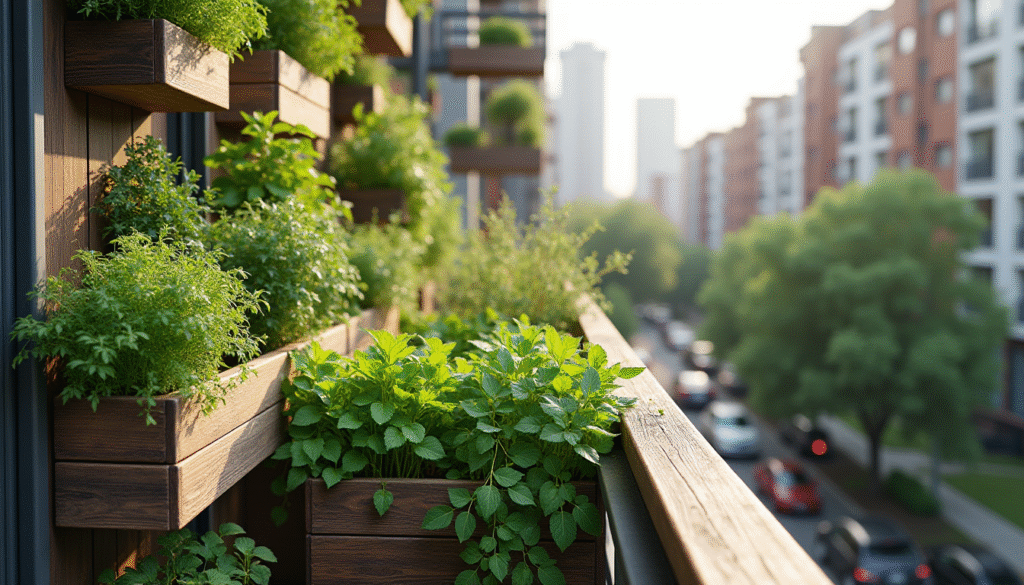
Vertical gardening works because it takes advantage of vertical surfaces, like walls, railings, and fences, which are typically unused in apartments. By stacking planters, using hanging pots, or installing trellises, you can dramatically increase your planting area while keeping your floor space free for furniture or movement.
For renters, this method is particularly helpful because many vertical solutions are portable or wall-mounted, meaning they don’t permanently alter the balcony structure.
Benefits of vertical gardening on small balconies:
- Maximizes limited square footage: A 1-meter-high vertical planter can hold as many plants as a 3-meter-long horizontal bed.
- Improves accessibility: Plants at eye level are easier to water, prune, and harvest, reducing bending or kneeling.
- Enhances airflow and sunlight exposure: Staggered or tiered setups allow plants to get better light and reduce crowding, which limits fungal diseases.
- Adds aesthetic value: Living walls or cascading planters can double as natural privacy screens while making your balcony feel lush and inviting.
Step-by-step setup for a beginner-friendly vertical balcony garden:
- Select your vertical system: Options include wall-mounted pocket planters, tiered stackable pots, hanging baskets, and trellis systems for climbing vegetables.
- Check weight limits: Most balconies have a weight limit; ensure your system with soil and water doesn’t exceed it. Lightweight containers and soil mixes help reduce load.
- Position for sunlight: Most vegetables require 4–6 hours of direct sunlight. Place vertical systems where they will get consistent light.
- Plan irrigation: Vertical gardens dry out faster. Self-watering systems, drip irrigation, or regular hand watering ensures plants stay healthy.
- Start small: Begin with one vertical tower or hanging rail to test how plants adapt to your balcony’s sunlight, wind, and space limitations.
What Vegetables Grow Well in Vertical Setups?
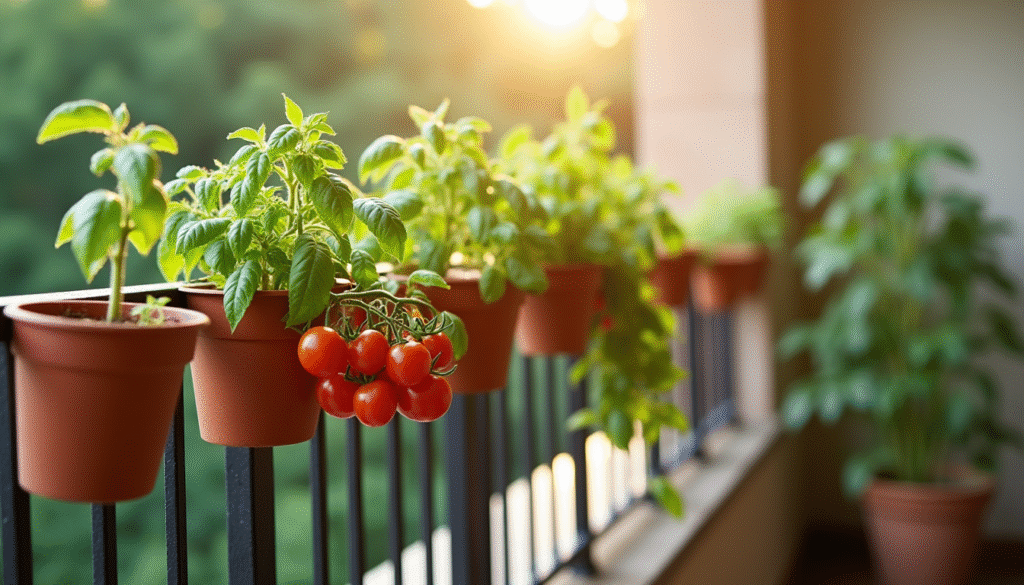
Not every vegetable is suited for vertical gardening. Compact, climbing, or lightweight plants thrive best, making it easier to manage watering, pruning, and harvesting in small spaces. Fast-growing vegetables with shallow roots often perform well in tiered planters or pocket gardens, while climbing species benefit from trellises or netting.
Recommended vegetables for vertical balconies:
| Vegetable | Average Plant Height | Root Depth | Sunlight Needs | Notes for Beginners |
|---|---|---|---|---|
| Cherry Tomatoes | 1.5–2 m | 30–40 cm | Full sun (6–8 hrs) | Use cages or trellises; prune side shoots |
| Lettuce | 20–30 cm | 15–20 cm | Partial to full sun | Harvest outer leaves for continuous growth |
| Spinach | 20–35 cm | 15–25 cm | Partial to full sun | Prefers cooler weather; keep soil moist |
| Pole Beans | 2–3 m | 20–30 cm | Full sun | Train vines up trellis; harvest pods regularly |
| Strawberries | 15–25 cm | 20–25 cm | Full sun | Hanging baskets work well; remove runners if needed |
| Peppers | 60–90 cm | 30–40 cm | Full sun | Support heavy fruits; water consistently |
| Radishes | 15–20 cm | 15–20 cm | Full sun to partial sun | Fast-growing; good for tiered planters |
These vegetables were selected because they fit well in small containers, can climb or cascade vertically, and thrive in the sunlight conditions typical of city balconies. For beginners, choosing a mix of leafy greens and light-fruiting plants ensures faster success and boosts confidence for more challenging crops later.
For gardeners looking to enjoy fresh produce throughout the year, check out our Guide to Vegetables You Can Grow All Year Round. It highlights resilient, easy-to-grow crops that thrive in small spaces and changing seasons, making your vertical garden productive no matter the month.
Tips for beginners:
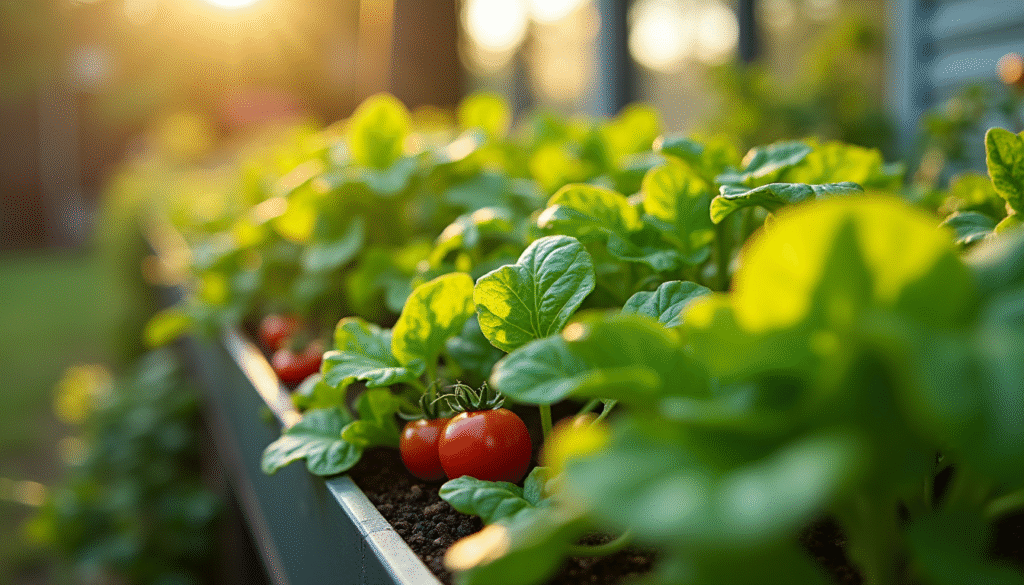
- Start with leafy greens: They grow quickly, tolerate partial shade, and are forgiving if you miss a watering or two.
- Train climbing plants early: Beans, peas, and tomatoes need support from trellises; secure young vines as they grow.
- Rotate plants by sunlight: If your balcony has shaded areas, plant lettuces or herbs there, reserving sunnier spots for sun-loving vegetables.
- Layer crops: Plant shallow-rooted herbs like basil or cilantro on the top tiers and deeper-rooted vegetables like peppers on the lower tiers.
Vertical gardening also allows you to experiment with companion planting. For example, basil grown alongside tomatoes can help improve flavor and deter pests, while lettuce planted below taller peppers benefits from the shade, reducing heat stress in the afternoon.
By carefully considering plant combinations and growth habits, even a small balcony can host a surprisingly productive vegetable garden.
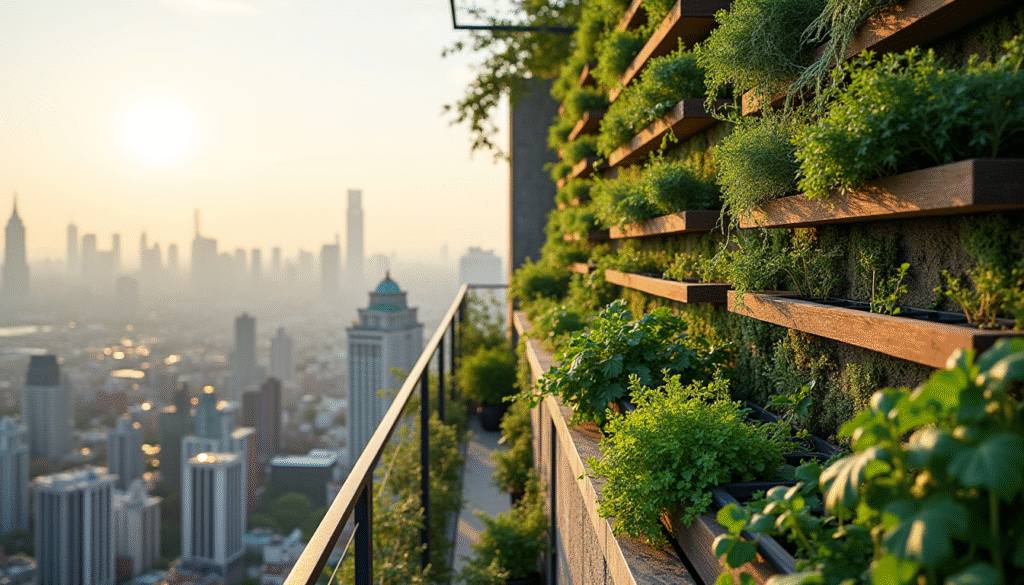
Living in an apartment often comes with the challenge of limited outdoor space, but vertical gardening can completely transform even the tiniest balcony. By growing plants upward instead of outward, you can maximize your green area without crowding your outdoor living space.
Vertical gardening not only saves room but also creates a visually appealing and functional environment for fresh vegetables, herbs, and small fruits. In urban settings, where sunlight and space are often constrained, this method allows you to cultivate a thriving balcony garden in ways that traditional horizontal beds cannot.
How Can Vertical Gardening Save Space on My Balcony?
Vertical gardening works because it takes advantage of vertical surfaces, like walls, railings, and fences, which are typically unused in apartments. By stacking planters, using hanging pots, or installing trellises, you can dramatically increase your planting area while keeping your floor space free for furniture or movement.
For renters, this method is particularly helpful because many vertical solutions are portable or wall-mounted, meaning they don’t permanently alter the balcony structure.
Benefits of vertical gardening on small balconies:
- Maximizes limited square footage: A 1-meter-high vertical planter can hold as many plants as a 3-meter-long horizontal bed.
- Improves accessibility: Plants at eye level are easier to water, prune, and harvest, reducing bending or kneeling.
- Enhances airflow and sunlight exposure: Staggered or tiered setups allow plants to get better light and reduce crowding, which limits fungal diseases.
- Adds aesthetic value: Living walls or cascading planters can double as natural privacy screens while making your balcony feel lush and inviting.
Step-by-step setup for a beginner-friendly vertical balcony garden:
- Select your vertical system: Options include wall-mounted pocket planters, tiered stackable pots, hanging baskets, and trellis systems for climbing vegetables.
- Check weight limits: Most balconies have a weight limit; ensure your system with soil and water doesn’t exceed it. Lightweight containers and soil mixes help reduce load.
- Position for sunlight: Most vegetables require 4–6 hours of direct sunlight. Place vertical systems where they will get consistent light.
- Plan irrigation: Vertical gardens dry out faster. Self-watering systems, drip irrigation, or regular hand watering ensures plants stay healthy.
- Start small: Begin with one vertical tower or hanging rail to test how plants adapt to your balcony’s sunlight, wind, and space limitations.
What Vegetables Grow Well in Vertical Setups?
Not every vegetable is suited for vertical gardening. Compact, climbing, or lightweight plants thrive best, making it easier to manage watering, pruning, and harvesting in small spaces.
Fast-growing vegetables with shallow roots often perform well in tiered planters or pocket gardens, while climbing species benefit from trellises or netting.
If you want a quick win for your balcony garden, check out our 10 Easy Vegetables That Grow Well on Balconies. These beginner-friendly crops are low-maintenance, thrive in containers, and are perfect for small vertical or tiered setups.
Recommended vegetables for vertical balconies:
| Vegetable | Average Plant Height | Root Depth | Sunlight Needs | Notes for Beginners |
|---|---|---|---|---|
| Cherry Tomatoes | 1.5–2 m | 30–40 cm | Full sun (6–8 hrs) | Use cages or trellises; prune side shoots |
| Lettuce | 20–30 cm | 15–20 cm | Partial to full sun | Harvest outer leaves for continuous growth |
| Spinach | 20–35 cm | 15–25 cm | Partial to full sun | Prefers cooler weather; keep soil moist |
| Pole Beans | 2–3 m | 20–30 cm | Full sun | Train vines up trellis; harvest pods regularly |
| Strawberries | 15–25 cm | 20–25 cm | Full sun | Hanging baskets work well; remove runners if needed |
| Peppers | 60–90 cm | 30–40 cm | Full sun | Support heavy fruits; water consistently |
| Radishes | 15–20 cm | 15–20 cm | Full sun to partial sun | Fast-growing; good for tiered planters |
These vegetables were selected because they fit well in small containers, can climb or cascade vertically, and thrive in the sunlight conditions typical of city balconies. For beginners, choosing a mix of leafy greens and light-fruiting plants ensures faster success and boosts confidence for more challenging crops later.
Tips for beginners:
- Start with leafy greens: They grow quickly, tolerate partial shade, and are forgiving if you miss a watering or two.
- Train climbing plants early: Beans, peas, and tomatoes need support from trellises; secure young vines as they grow.
- Rotate plants by sunlight: If your balcony has shaded areas, plant lettuces or herbs there, reserving sunnier spots for sun-loving vegetables.
- Layer crops: Plant shallow-rooted herbs like basil or cilantro on the top tiers and deeper-rooted vegetables like peppers on the lower tiers.
Vertical gardening also allows you to experiment with companion planting. For example, basil grown alongside tomatoes can help improve flavor and deter pests, while lettuce planted below taller peppers benefits from the shade, reducing heat stress in the afternoon.
By carefully considering plant combinations and growth habits, even a small balcony can host a surprisingly productive vegetable garden.
DIY Vertical Planter Ideas for Small Balconies
Creating your own vertical planters can save money and allow you to customize them to your balcony’s dimensions. DIY solutions range from simple hanging pockets to tiered shelving.
Even renters with restrictions can use freestanding or railing-mounted systems that don’t damage walls.
Beginner-friendly DIY vertical planters:
- Pallet Garden:
- Materials: Wooden pallet, coconut coir or potting soil, landscape fabric.
- Steps: Line the back with landscape fabric, fill gaps with soil, plant herbs or small vegetables in the spaces. Lean it against a balcony wall or secure it with brackets.
- Hanging Pocket Planters:
- Materials: Felt planter pockets, hooks, or railing hangers.
- Steps: Attach the pockets to a railing or wall, fill with potting mix, plant shallow-rooted vegetables like lettuce, spinach, or herbs.
- Tiered Shelf System:
- Materials: Small wooden or metal shelving unit, lightweight pots.
- Steps: Arrange pots in tiers, placing sun-loving vegetables at the top and shade-tolerant plants below.
- DIY PVC Pipe Planter:
- Materials: 10–15 cm diameter PVC pipe, drill, soil.
- Steps: Drill holes every 15–20 cm, fill with soil, and plant small herbs or lettuce. Mount vertically with brackets or suspend with rope.
Watering and Maintenance Tips
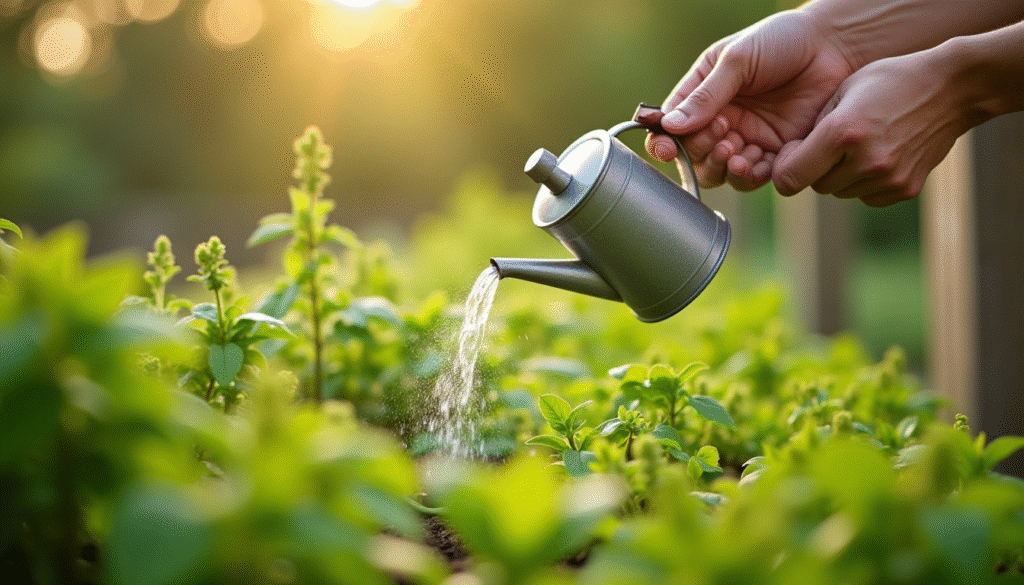
Vertical gardens require careful attention to watering and care because water drains quickly from elevated or hanging containers. Consistent moisture and nutrient supply are critical to healthy growth.
Tips for successful maintenance:
- Watering: Most vertical planters dry out faster than ground-level beds. Water early in the morning to prevent leaf burn and allow absorption. Consider drip irrigation or self-watering containers for convenience.
- Fertilization: Use liquid fertilizer every 2–3 weeks for leafy greens and every 3–4 weeks for fruiting plants. Slow-release granular fertilizers work well in soil-filled pockets.
- Pruning: Regularly remove dead leaves, harvest mature vegetables promptly, and trim vines to avoid overcrowding.
- Pest monitoring: Inspect leaves for aphids, whiteflies, or fungal spots. Companion planting (e.g., basil with tomatoes) and neem oil sprays are beginner-friendly ways to manage pests.
- Rotation: If possible, rotate pots or planters seasonally to adjust to changing sunlight angles on your balcony.
Eco-Friendly and Sustainable Practices
Urban gardeners can make their vertical balcony gardens more environmentally sustainable without sacrificing productivity. Choosing the right materials and methods reduces waste and resource use.
Sustainable tips:
- Use recycled containers: Old shoe organizers, tin cans, and plastic bottles can serve as planters.
- Compost: Kitchen scraps such as vegetable peels and coffee grounds enrich potting soil naturally.
- Rainwater harvesting: Collect balcony runoff in small barrels or buckets to reduce tap water use.
- Organic fertilizers: Avoid chemical fertilizers and pesticides by using compost tea or natural neem-based sprays.
- Native plants: Integrating local herbs or leafy greens reduces water and nutrient needs.
Common Vertical Gardening Mistakes
Even small balcony gardens can struggle if certain pitfalls are overlooked. Awareness helps beginners avoid frustration.
Mistakes to watch for:
- Overcrowding plants: Crowded vertical planters reduce airflow, increase disease risk, and limit growth.
- Ignoring weight limits: Excess soil, pots, and water can overload balcony railings or floors.
- Incorrect sunlight: Planting sun-loving crops in shaded areas leads to poor growth.
- Uneven watering: Top tiers dry faster; neglecting them can stress plants at the top while lower plants remain wet.
- Neglecting pruning: Untrimmed vines and tall plants can overshadow smaller crops.
To make sure your balcony garden thrives, check out our Common Balcony Gardening Mistakes to Avoid. Knowing these pitfalls ahead of time can save you time, effort, and ensure a healthier, more productive vertical garden.
By staying mindful of these issues and observing your plants regularly, you can maintain a productive and attractive vertical balcony garden.
Conclusion
Vertical gardening transforms small balconies into productive, green retreats, letting urban dwellers enjoy fresh vegetables and herbs even in limited spaces. By selecting the right crops, designing tiered or hanging systems, and adopting sustainable watering and fertilization practices, you can expand your garden upward rather than outward.
With beginner-friendly DIY planters and attention to maintenance, your balcony can become a thriving living wall that maximizes every inch while enhancing your apartment’s ambiance.
FAQ
1. Can I grow tomatoes in a small vertical balcony garden?
Yes. Cherry or small tomato varieties work best because they climb well and thrive in pots. Use cages or trellises and ensure 6–8 hours of sunlight per day for healthy fruit production.
2. How often should I water a vertical planter?
Vertical planters dry faster than ground beds. Most require daily watering during hot weather, especially top tiers. Using self-watering systems or drip irrigation can reduce maintenance while keeping soil consistently moist.
3. Are vertical gardens suitable for renters?
Absolutely. Many vertical gardening systems are freestanding, railing-mounted, or wall-hanging, making them portable and non-permanent. Lightweight and modular designs prevent damage and comply with typical rental restrictions.
4. What vegetables are easiest for beginners in vertical gardens?
Leafy greens like lettuce, spinach, and herbs such as basil and parsley grow quickly, tolerate partial shade, and are forgiving with watering mistakes, making them ideal for first-time balcony gardeners.
5. How do I prevent pests in a vertical garden?
Regularly inspect plants, remove damaged leaves, and use companion planting. Natural sprays like neem oil or insecticidal soap work well. Maintaining proper airflow and avoiding overcrowding also limits pest infestations.
6. Can vertical gardening help with sustainability?
Yes. Using recycled containers, composting, harvesting rainwater, and growing native or low-water plants reduces waste and resource consumption while boosting your home-grown harvests.
7. What soil is best for a vertical balcony garden?
Lightweight, well-draining potting mix works best. Mix in compost for nutrients. Avoid dense garden soil, which can compact in small vertical containers and restrict root growth.
Helpful Resources
- USDA National Gardening Association – Vertical gardening guidance and urban agriculture tips
- Royal Horticultural Society – Expert advice on container and vertical gardening
- University of Illinois Extension – Urban balcony gardening resources
- Missouri Botanical Garden – Plant databases and DIY garden ideas
- Cornell Cooperative Extension – Sustainable gardening practices and tutorials