
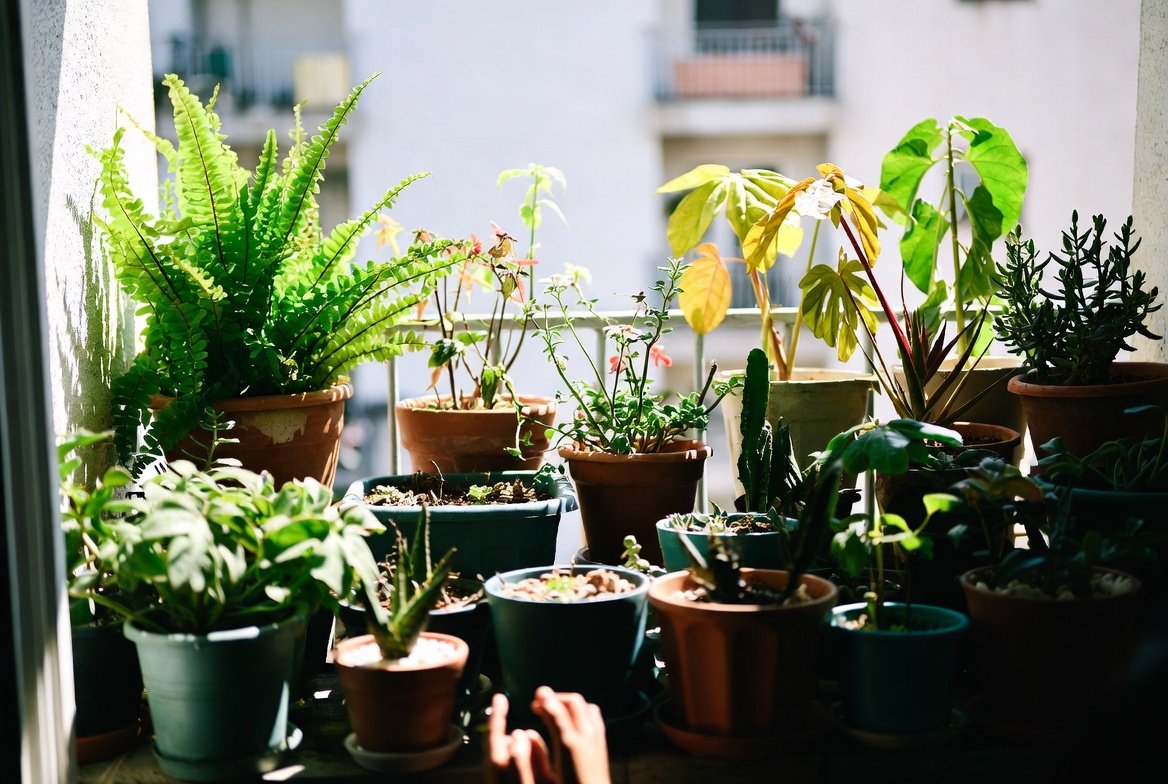
Why Balcony Plants Turn Yellow and How to Fix it Fast
If you’ve ever looked at your once-lush balcony garden and noticed your plants developing yellow leaves, you know that sinking feeling. From my experience, nothing is more discouraging than seeing your beloved container plants lose their vibrant green glow.
Yellow leaves container plants are not just an eyesore—they’re a signal that your plants are stressed and need immediate care. Understanding why this happens is key to fixing the problem fast and keeping your balcony garden thriving.
Balcony plant problems are surprisingly common, even for gardeners who think they’re doing everything right. I’ve spent years experimenting with different soil mixes, watering routines, and fertilizers, and I’ve learned that yellow leaves usually point to a few core issues:
- watering mistakes,
- nutrient deficiency plants, or
- environmental stress.
Let’s walk through these causes and practical solutions step by step.
Table of Contents
Common Causes of Yellow Leaves in Container Plants
Nutrient Deficiency Plants Are a Frequent Culprit
One of the first things I check when my balcony plants start turning yellow is their nutrient intake. In containers, soil can become depleted quickly because plants rely solely on what’s in that limited space. From my experience, nitrogen deficiency is the most common reason for yellow leaves container plants. The older leaves at the bottom often turn yellow first, signaling that your plant is struggling to produce chlorophyll.
Iron and magnesium deficiencies can also cause yellowing, sometimes in patterns. For example, iron deficiency often results in yellow leaves with green veins, while magnesium deficiency creates yellowing between the veins. The fix is usually straightforward: a balanced liquid fertilizer or foliar spray applied according to instructions can revive your plant in a week or two.
Overwatering or Poor Drainage Can Stress Plants
I’ve noticed that even experienced gardeners fall into the overwatering trap. Balcony plants in containers need careful attention because excess water can suffocate roots, leading to yellowing leaves. If the soil feels soggy or the container has poor drainage, your plant roots may be rotting without you realizing it.
The solution is simple but crucial: ensure your pots have drainage holes and use a well-draining potting mix. Water only when the top inch of soil feels dry. You’ll see a significant improvement in leaf color within a few weeks if overwatering was the cause.
Environmental Stress and Balcony Plant Problems
Balcony gardens are exposed to changing weather, sunlight, and wind. Too much direct sun can scorch leaves, while too little light slows chlorophyll production, leaving your plants pale or yellow. From my experience, even a few days of strong wind or sudden temperature drops can trigger yellowing.
To protect your plants, position containers where they get morning sun and afternoon shade if you live in a hot climate. If wind is an issue, use a balcony screen or rearrange pots closer to a wall for shelter. Small changes like these often reverse yellowing without any fertilizers.
How to Fix Yellow Leaves Container Plants Fast
Once you’ve identified the likely cause, action is key. For nutrient deficiency plants, apply a balanced fertilizer with nitrogen, magnesium, and iron. For overwatering, improve drainage and adjust your watering routine. And for environmental stress, move your plants to more suitable locations and protect them from harsh sun and wind.
I also recommend trimming the most severely yellowed leaves. This may feel counterintuitive, but removing them allows the plant to redirect energy to healthy leaves and new growth. Over time, your container plants will regain their vibrant green and even produce more blooms or fruit.
Best Practices for Healthy Balcony Plants
From my experience, prevention is always easier than repair. Regularly check soil moisture, feed your plants with a balanced fertilizer every 3–4 weeks, and rotate pots to ensure even sunlight exposure. Using organic compost or well-rotted kitchen scraps can help maintain nutrient-rich soil, reducing the risk of yellow leaves container plants.
I also highly recommend learning how to reuse potting soil containers by refreshing them each season. You can find a detailed guide on how to do this in my article on refreshing old potting soil for new planting. It’s a game-changer for balcony plant health.
Common Mistakes That Cause Balcony Plant Problems
Many gardeners unintentionally cause yellow leaves through routine mistakes. Overwatering is the most common, but inconsistent watering schedules can also stress plants. Another mistake is using garden soil instead of proper potting mix; garden soil is often too dense for container plants and can lead to poor drainage. Finally, neglecting nutrients and assuming plants “get enough from rainwater” can quickly lead to deficiencies. I’ve learned that a little attention to these details keeps my balcony garden healthy year-round.
Conclusion
Seeing yellow leaves container plants on your balcony doesn’t mean your gardening dreams are over. From my experience, most yellowing issues are fixable with quick identification and the right care. Focus on checking for nutrient deficiencies, correcting watering habits, and shielding your plants from environmental stress. With a little attention and the right techniques, your balcony can be a lush, green oasis again.
Remember, every plant is unique, so observing changes and responding quickly is your best strategy. Treat yellow leaves as signals, not failures—they guide you toward healthier, happier plants.
FAQs
1. What causes yellow leaves in container plants?
Yellow leaves container plants usually indicate stress. Common causes include nutrient deficiencies (like nitrogen, magnesium, or iron), overwatering, poor drainage, or environmental stress such as too much sun or wind. Observing leaf patterns and soil conditions helps identify the exact cause for a faster fix.
2. How can I quickly fix yellow leaves on my balcony plants?
First, identify the cause. For nutrient deficiency plants, use a balanced fertilizer. For overwatering, improve drainage and adjust watering frequency. If environmental stress is the issue, move plants to a suitable spot with proper sunlight and protection. Pruning severely yellow leaves also encourages healthy growth.
3. Can yellow leaves container plants recover?
Yes! Most yellow leaves are reversible if the underlying cause is addressed promptly. Proper fertilization, improved watering practices, and adjusting environmental factors usually allow plants to recover within a few weeks. Patience and consistent care are key.
4. What is the best way to prevent yellow leaves in balcony plants?
Regular monitoring of soil moisture, feeding plants with a balanced fertilizer every 3–4 weeks, using well-draining soil, and protecting plants from extreme sunlight or wind are the best prevention practices. Rotating pots for even sunlight exposure also helps maintain vibrant leaves.
5. Why are older leaves turning yellow first?
Older leaves often turn yellow first because the plant redirects nutrients to new growth. This is especially common with nitrogen deficiency. Observing the leaf pattern can help determine if it’s a nutrient issue or a sign of stress caused by watering or environmental conditions.