
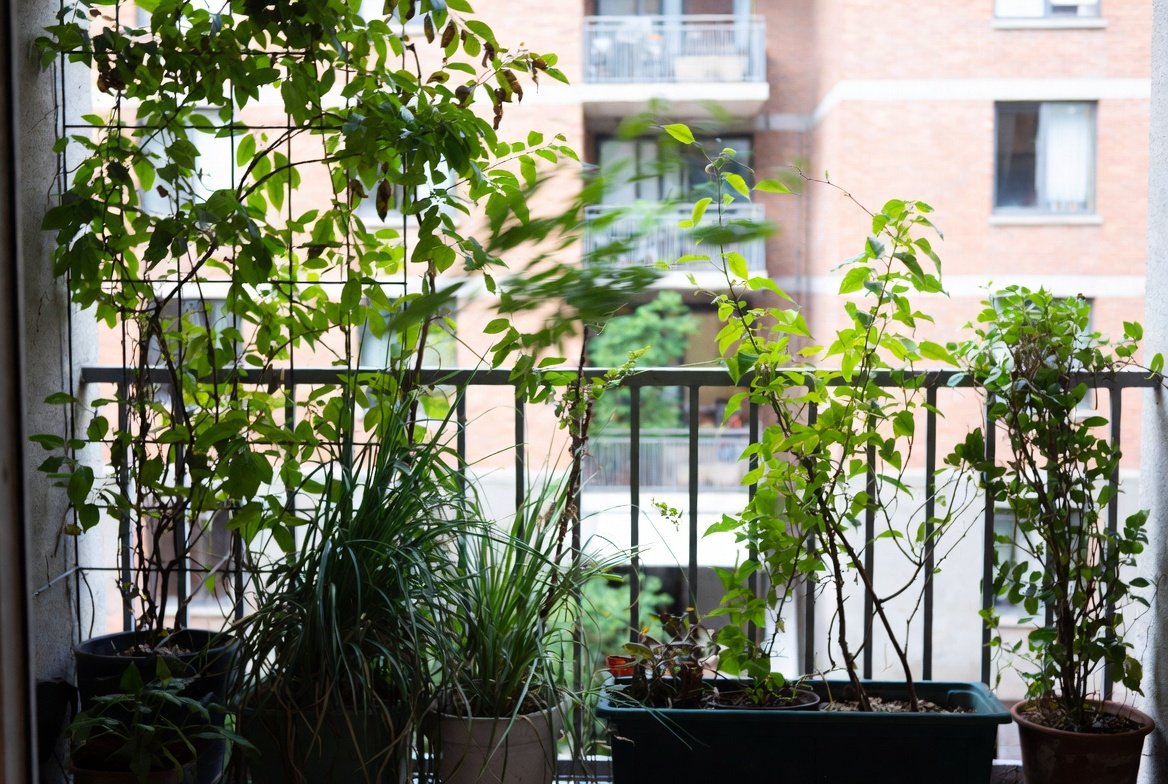
Wind Protection for Balcony Gardens
If you live in a city, you’ve probably felt that harsh balcony wind that seems to sneak through every gap, flattening your plants and stressing even the hardiest container gardens. From my experience, windy balcony gardening is one of the most overlooked challenges for urban gardeners.
Many beginners focus on soil, watering, and fertilizers, but forget that a gusty wind can undo all their hard work in minutes.
Balcony wind protection plants aren’t just a luxury—they’re essential for keeping your garden alive, vibrant, and productive. Without proper protection, leaves get shredded, flowers drop prematurely, and even stems can break.
In this article, I’ll share real-life tips, practical solutions, and lessons I’ve learned over years of battling urban winds on my own balcony.
Table of Contents
Why Wind Is a Big Deal for Balcony Gardens
Balcony plant problems caused by wind are more common than most gardeners realize. Unlike ground-level gardens, balcony plants are fully exposed. I’ve noticed that even a mild breeze can dry out container soil quickly, stress roots, and stunt growth. Strong winds can knock over pots, tear leaves, and reduce flowering.
From my experience, the effects of wind are subtle at first: leaves curl, edges brown, and plants lean constantly in one direction. If ignored, these small signs turn into broken stems and yellowed leaves. Protecting your plants from wind isn’t just about aesthetics—it directly impacts plant health and productivity.
How to Protect Container Plants from Wind
Use Balcony Wind Protection Plants Strategically
One surprisingly effective solution I’ve used is planting natural windbreaks. Tall, sturdy plants like bamboo, ornamental grasses, or climbing vines act as shields, reducing the impact of strong gusts.
Position them along the wind-facing edge of your balcony for maximum effect. Not only do these plants offer protection, but they also create a lush, green barrier that adds beauty and privacy.
Create Physical Barriers for Your Balcony Garden
If natural windbreaks aren’t enough, physical barriers work wonders. I’ve installed lattice screens, clear acrylic panels, and even retractable balcony blinds. These barriers can reduce wind speed while still letting light through.
A combination of barriers and wind-tolerant plants often gives the best results.
Anchor Your Pots Securely
Windy balcony gardening isn’t only about blocking the wind—it’s also about preventing damage. From my experience, securing pots with heavy bases, non-slip mats, or even tying taller plants to balcony rails prevents toppling.
Lightweight containers are especially vulnerable, so consider using heavier pots or grouping multiple containers together for stability.
Monitor and Adjust Watering
One subtle effect of wind is increased soil evaporation. I’ve seen plants dry out faster than expected, even with regular watering. Check your soil frequently and water as needed, especially for pots near the wind-facing edge. Mulching the soil surface with organic material also helps retain moisture and reduce stress.
Common Mistakes in Windy Balcony Gardening
Many gardeners ignore wind because it’s not as obvious as pests or nutrient deficiencies. A common mistake is placing delicate plants, like ferns or flowering annuals, in fully exposed positions without protection. Another is underestimating pot stability; lightweight pots topple easily, damaging the plant and the balcony. I’ve learned that combining natural windbreaks, physical barriers, and secure containers solves most problems.
Conclusion
Balcony wind protection plants and proper wind management are crucial for urban gardeners who want thriving container gardens. From my experience, a little planning goes a long way: plant wind-tolerant species, install barriers, secure pots, and adjust watering routines. These steps prevent stress, leaf damage, and lost blooms, keeping your balcony garden healthy and beautiful all year round.
Remember, wind is a silent gardener—it shapes your plants whether you notice it or not. Treat it as a factor in your design, and your balcony plants will reward you with stronger growth and more vibrant colors.
FAQs
1. What is the best way to protect container plants from wind?
The best approach combines natural windbreaks like tall grasses or vines, physical barriers like lattice screens or acrylic panels, and securing pots to prevent tipping. Adjust watering to compensate for increased evaporation caused by wind.
2. How can balcony wind protection plants help my garden?
Wind protection plants act as natural barriers, reducing wind speed and stress on delicate leaves and stems. They also add privacy, aesthetic value, and can improve overall microclimate on your balcony, creating a calmer environment for all container plants.
3. Can windy balcony gardening stunt plant growth?
Yes. Constant wind can dry out soil, damage leaves, break stems, and stress roots. This slows growth, reduces flowering, and can make plants more susceptible to diseases and nutrient deficiencies if not managed properly.
4. Which plants are best for windy balconies?
Tall, sturdy, and flexible plants work best. Bamboo, ornamental grasses, climbing vines, and hardy shrubs tolerate wind while acting as barriers. Choose species suited to container growth and your local climate for the best results.
5. How do I prevent my pots from toppling in strong wind?
Use heavier pots, group multiple containers for stability, place non-slip mats under pots, and tie taller plants to rails if necessary. Avoid placing lightweight or top-heavy pots on exposed edges of the balcony.